Can tuna healthy recipes are meals built around canned tuna that deliver high protein, omega-3 fats, and quick prep times for busy home cooks. Canned tuna is shelf-stable, affordable, and works in salads, wraps, bowls, and hot dishes. This guide covers the best varieties, quick recipes, meal prep strategies, and nutrition facts.
Canned tuna is one of the most versatile pantry staples you can own. It cooks in zero minutes. It costs a fraction of fresh fish. It packs roughly 20 grams of protein per can. For busy home cooks, that combination is hard to beat. This guide covers everything you need to turn a simple can of tuna into meals you will actually want to eat, from choosing the right type to building a full week of lunches.
What makes a healthy canned tuna recipe?
A healthy canned tuna recipe uses canned tuna as the primary protein and pairs it with whole food ingredients like vegetables, whole grains, and healthy fats to create a balanced, nutritious meal. The healthiest versions skip heavy mayonnaise and instead use Greek yogurt, avocado, olive oil, or citrus for moisture and flavor. They add vegetables for fiber and volume. They pair tuna with complex carbs like brown rice, quinoa, or whole grain wraps for sustained energy.
Canned tuna itself is naturally healthy. A 5-ounce can of chunk light tuna in water contains about 100 calories, 20 grams of protein, and less than 1 gram of fat. It is also one of the best dietary sources of omega-3 fatty acids, which support heart and brain health. You can read more about tuna's nutritional profile from Good Housekeeping.
The difference between a healthy tuna recipe and an unhealthy one comes down to what you add. Tuna mixed with a quarter cup of mayonnaise on white bread is a calorie bomb with little fiber. Tuna mixed with Greek yogurt, diced cucumber, and lemon juice on whole grain bread is a high-protein, high-fiber meal that keeps you full for hours.
"Canned tuna is a convenient and affordable source of lean protein and omega-3 fatty acids that can support heart health when consumed as part of a balanced diet." - industry experts
How to choose the best canned tuna
Choosing the right canned tuna matters for both health and taste. You have three main decisions to make: the type of tuna, the packing liquid, and the form.
Type of tuna. Chunk light tuna (usually skipjack) has lower mercury levels than albacore (white) tuna. The FDA recommends limiting albacore to about one serving per week, while chunk light can be eaten more frequently. For everyday cooking, chunk light is the safer default.
Packing liquid. Tuna packed in water has fewer calories and less fat than tuna packed in oil. Water-packed tuna also retains more of its omega-3 content after draining. Oil-packed tuna has a richer flavor and works well in Mediterranean-style dishes, but it adds calories.
Form. Solid tuna comes in larger pieces and works best for dishes where texture matters, like tuna steaks or bowls. Chunk tuna is flaked into smaller pieces and is ideal for salads, wraps, and casseroles. Flaked or minced tuna is the most processed and works for dips and spreads.
Here is a quick comparison of common canned tuna types:
| Tuna Type | Mercury Level | Protein per 5 oz | Best Use |
|---|---|---|---|
| Chunk Light (Skipjack) | Low | ~20g | Everyday salads, wraps, bowls |
| Albacore (White) | Moderate | ~20g | Special dishes, occasional use |
| Solid White | Moderate | ~20g | Tuna steaks, poke bowls |
| Flaked Light | Low | ~18g | Dips, spreads, casseroles |
Pro Tip: Always drain your canned tuna well before mixing. Excess liquid dilutes dressings and makes wraps soggy. Press the lid down firmly and hold it while pouring out the liquid.
For inspiration on how to use solid white tuna, check out our healthy tuna poke bowl recipe.
Quick canned tuna recipes for busy weeknights
You can make a healthy tuna dinner in under 20 minutes. The key is keeping your pantry stocked and your vegetables prepped. Here are four go-to approaches.
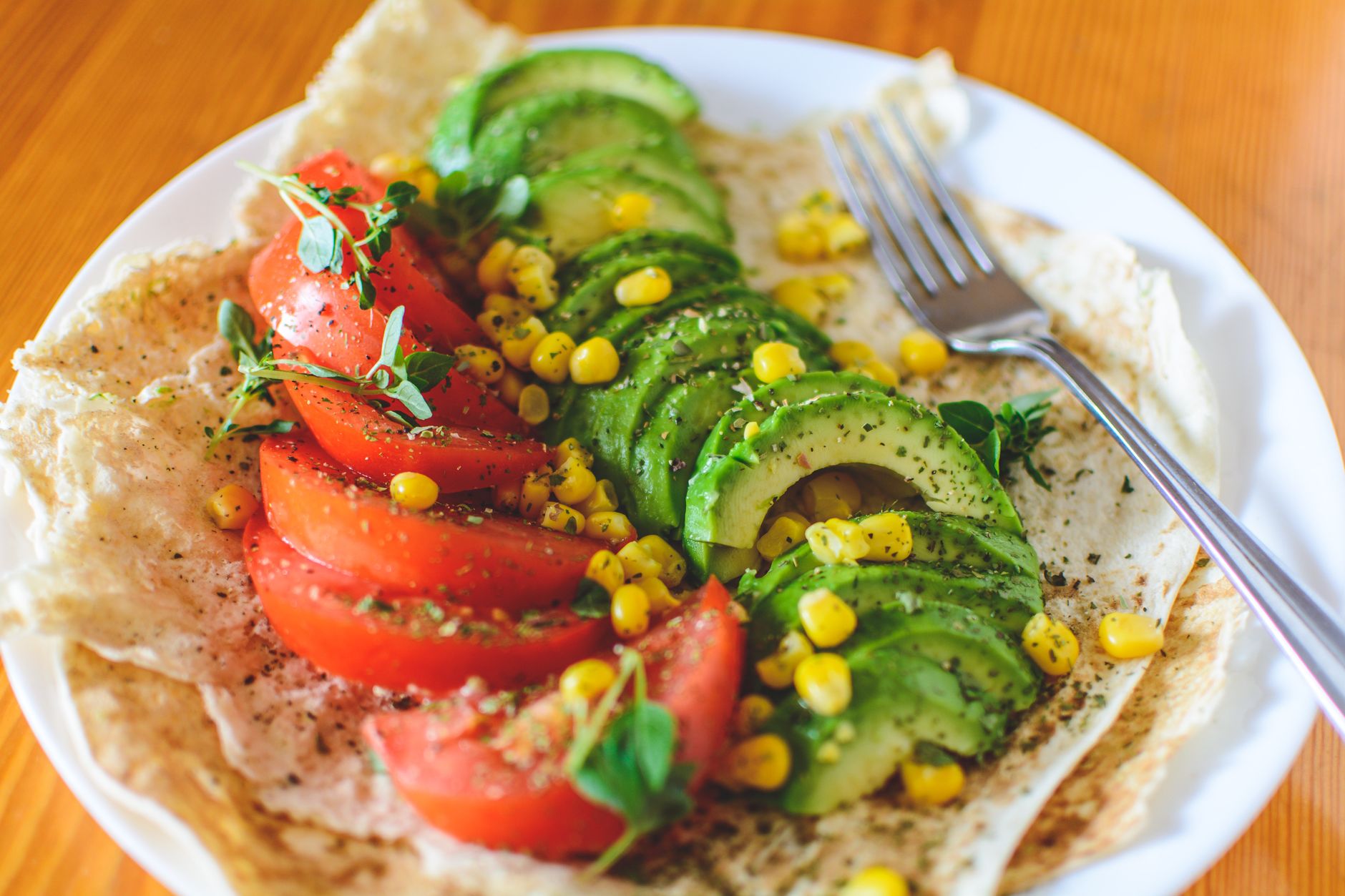
1. Tuna and avocado wraps. Mash half an avocado with a squeeze of lime. Mix in drained tuna, diced celery, and a pinch of salt. Wrap in a whole grain tortilla. You get healthy fats from avocado, protein from tuna, and fiber from the wrap. Try our creamy avocado tuna wraps for a tested version.
2. Asian tuna cakes. Combine tuna with egg, panko breadcrumbs, soy sauce, and ginger. Pan-fry until golden. Serve with a spicy mayo drizzle. These are crispy, savory, and satisfying. Our Asian tuna cakes with spicy mayo recipe walks you through it step by step.
3. Tuna macaroni salad. Cook whole grain macaroni, then toss with tuna, Greek yogurt, diced pickles, and mustard. This is a lighter take on the classic deli salad. Our classic tuna macaroni salad uses Greek yogurt instead of mayo for a healthier twist. You can find more variations at Food.com.
4. Tuna and white bean salad. Mix tuna with canned white beans, cherry tomatoes, red onion, olive oil, and lemon juice. This is a Mediterranean-style salad that is high in fiber and protein. It takes five minutes and requires no cooking. Epicurious has additional Mediterranean tuna salad ideas worth exploring.
Pro Tip: Keep a can of white beans and a lemon in your pantry at all times. With tuna and olive oil, you always have the base for a complete meal.
How to meal prep with canned tuna
Canned tuna is a meal prep powerhouse. It is shelf-stable, pre-cooked, and portion-controlled. You can build a week of lunches in under 30 minutes.
Start with a base. Choose one or two grains to cook in bulk. Brown rice, quinoa, and whole wheat pasta all work. Cook a large batch on Sunday and divide into containers.
Add your protein. Divide canned tuna across your containers. One can typically serves two meals when combined with grains and vegetables. Use chunk light tuna for everyday meals.
Load up on vegetables. Chop cucumbers, cherry tomatoes, shredded carrots, and leafy greens. Distribute them across your containers. The more colorful your vegetables, the wider your nutrient range.
Make a simple dressing. Mix olive oil, lemon juice, Dijon mustard, salt, and pepper. Store separately and drizzle on just before eating. This keeps your greens crisp.
Pro Tip: Do not mix the dressing into your tuna salad until the day you eat it. Pre-mixed tuna salad gets watery after 24 hours. Store the dressing in a small separate container.
For a protein-rich breakfast to round out your meal prep, try our healthy baked apple oatmeal. You can also find more meal prep ideas at Taste of Home.
Nutritional benefits of canned tuna
Canned tuna is one of the most nutrient-dense proteins you can buy. It delivers a high protein content per calorie, essential omega-3 fatty acids, and several key vitamins and minerals.
Protein. A single 5-ounce can provides about 20 grams of complete protein. That is roughly 40 percent of the daily requirement for an average adult. Protein supports muscle maintenance, satiety, and metabolic health.
Omega-3 fatty acids. Tuna contains EPA and DHA, the two omega-3 fats most strongly linked to heart and brain health. Regular consumption of omega-3s is associated with reduced inflammation and improved cardiovascular outcomes. Delish has covered the health benefits of pantry proteins like tuna in depth.
Low calories. Water-packed tuna contains about 100 calories per can. This makes it easy to incorporate into calorie-controlled meals without sacrificing protein intake.
Vitamins and minerals. Canned tuna is a good source of vitamin D, vitamin B12, selenium, and niacin. Selenium is an antioxidant that supports thyroid function and immune health.
Sodium awareness. Some canned tuna products are high in sodium. Look for low-sodium or no-salt-added varieties if you are watching your salt intake. Rinsing tuna under cold water can also reduce sodium by up to 30 percent.
Mercury considerations. Chunk light tuna (skipjack) has lower mercury levels than albacore. Pregnant women and children should follow FDA guidelines, which recommend limiting albacore to one serving per week. For most adults, two to three servings of chunk light tuna per week is a safe and healthy target.
Pro Tip: Buy no-salt-added canned tuna if you want full control over your sodium intake. You can always add a pinch of salt yourself, but you cannot remove what is already in the can.
Key Takeaways
Canned tuna is a fast, affordable, and nutritious protein that belongs in every healthy kitchen. Here is what matters most.
| Point | Details |
|---|---|
| Protein Power | ~20g protein per 5 oz can, complete amino acid profile |
| Best Type | Chunk light (skipjack) for lower mercury, everyday use |
| Prep Time | Most recipes ready in under 15 minutes |
| Healthiest Prep | Use Greek yogurt or avocado instead of mayo |
| Mercury Safety | Limit albacore to 1 serving per week, chunk light 2 to 3 per week |
What I've learned from cooking with canned tuna
I have been cooking with canned tuna for over a decade. When I first started, I made the same tuna salad every time. Tuna, mayo, salt, pepper. It was fine but boring.
The turning point came when I started treating canned tuna like a real ingredient, not just a shortcut. I tried it with avocado and lime. I made tuna cakes with ginger and soy. I tossed it with white beans and olive oil. Each version was better than the last.
I also learned that the quality of the tuna matters. No-salt-added chunk light tuna tastes cleaner. Solid white tuna has a texture that holds up beautifully in bowls. Spending an extra dollar on a better can changes the whole dish.
Meal prep changed my relationship with canned tuna. On Sundays, I cook a batch of grains, chop vegetables, and stock up on tuna cans. By Monday lunch, I have a healthy meal ready in two minutes. No takeout, no stress.
If you are looking for variety, pair your tuna meals with other lean proteins during the week. Our healthy sesame chicken dinner and healthy baked chicken parmesan are both excellent options. For seafood variety, try our healthy shrimp scampi pasta. And if you want a non-tuna wrap idea, our healthy chicken Caesar wrap is a crowd favorite.
Canned tuna is not just a backup plan. It is a legitimate, healthy, delicious protein that deserves a regular spot in your rotation.
Maria Bianchi
Hearthly helps you cook smarter
Hearthly is your go-to resource for quick, easy, healthy meals. Our free recipe tool helps you find meals based on what you already have in your pantry. Type in "canned tuna" and you will get a list of tested, healthy recipes you can make tonight. Every recipe includes prep time, nutritional info, and step-by-step instructions. No fluff, no complicated techniques, just real food for busy people.
FAQ
Is canned tuna good for weight loss?
Yes. Canned tuna is high in protein and low in calories, which helps with satiety and muscle preservation during weight loss. A 5-ounce can of water-packed tuna has about 100 calories and 20 grams of protein. Pair it with vegetables and whole grains for a filling, calorie-controlled meal.
How often can I eat canned tuna safely?
Most adults can safely eat chunk light tuna two to three times per week. Albacore (white) tuna has higher mercury levels and should be limited to about one serving per week. Pregnant women and young children should follow FDA guidelines and consult their doctor for personalized advice.
Is canned tuna cooked already?
Yes. Canned tuna is fully cooked during the canning process. You can eat it straight from the can without any additional cooking. This makes it ideal for quick salads, wraps, and no-cook meals. You only need to heat it if you are adding it to a hot dish like casseroles or tuna melts.
What is the healthiest way to eat canned tuna?
The healthiest way to eat canned tuna is to pair it with whole food ingredients. Use Greek yogurt or avocado instead of mayonnaise. Add vegetables for fiber. Serve with whole grains like brown rice or quinoa. Keep sodium in check by choosing no-salt-added varieties and limiting added sauces.
Can I freeze canned tuna after opening?
You can freeze leftover canned tuna, but the texture will change. It becomes softer and more crumbly after freezing. If you freeze it, use it in cooked dishes like casseroles or tuna cakes where texture matters less. For best quality, use opened canned tuna within two to three days if stored in the refrigerator.
Recommended
Here are more healthy recipes from Hearthly to keep your meal rotation fresh: