Lebanese 7 Spice: Authentic Sabaa Baharat Recipe
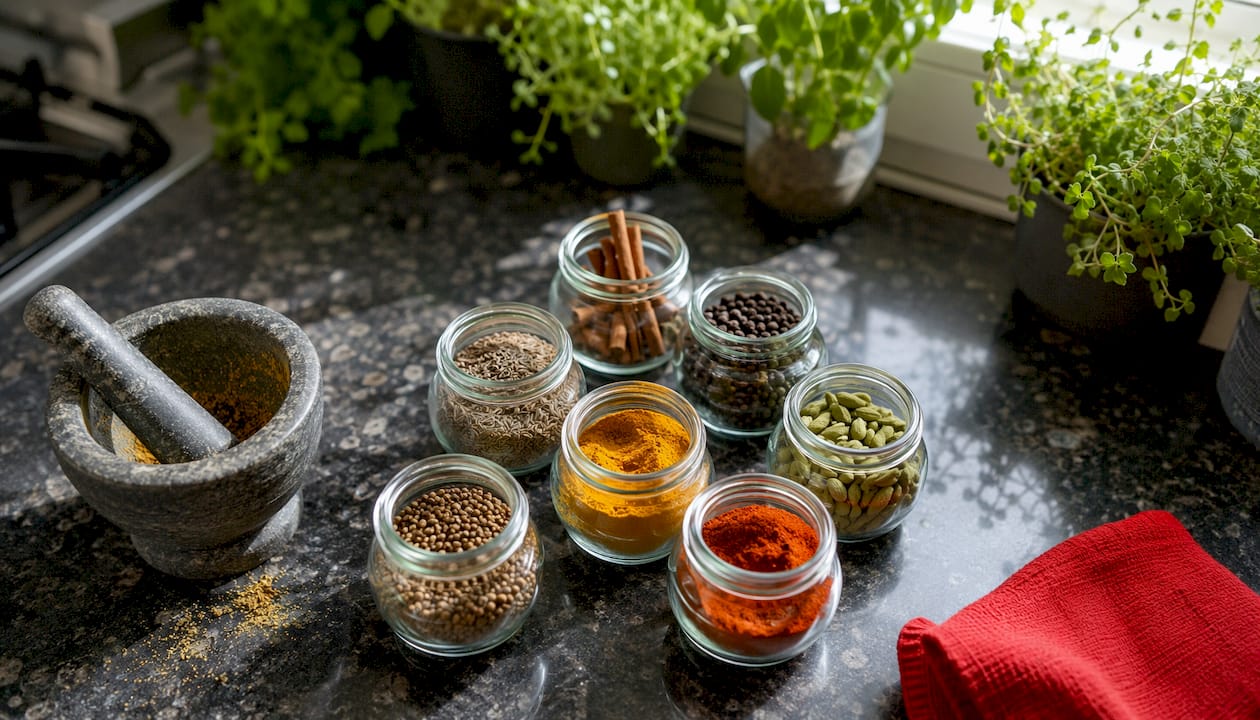
Lebanese 7 Spice, known traditionally as Sabaa Baharat, is a blend of seven warm, aromatic spices that forms the flavor backbone of Lebanese cooking. The seven core spices are allspice, cinnamon, cumin, ground coriander, black pepper, cloves, and nutmeg. Mix them once and you have a pantry staple that seasons everything from grilled kafta to slow-simmered lentil soup.
Here is the standard recipe for home preparation:
| Spice | Amount |
|---|---|
| Ground allspice | 2 tablespoons |
| Ground cinnamon | 1 tablespoon |
| Ground coriander | 1 tablespoon |
| Ground cumin | 1 tablespoon |
| Ground black pepper | 1 tablespoon |
| Ground cloves | ½ tablespoon |
| Ground nutmeg | ½ tablespoon |
Quick preparation steps:
- Measure each spice into a small bowl.
- Whisk until the color is completely uniform, about 30 seconds.
- Funnel into a labeled glass jar and store in a cool, dark place.
- Use within six months for best flavor.
What makes Lebanese 7 spice taste the way it does?
Allspice carries the whole blend. Its flavor naturally echoes cinnamon, cloves, and nutmeg all at once, which is why it appears in the largest quantity. Think of it as the glue that holds the other six spices in harmony. The warm, complex character of allspice is what makes this blend taste unmistakably Lebanese rather than generically Middle Eastern.
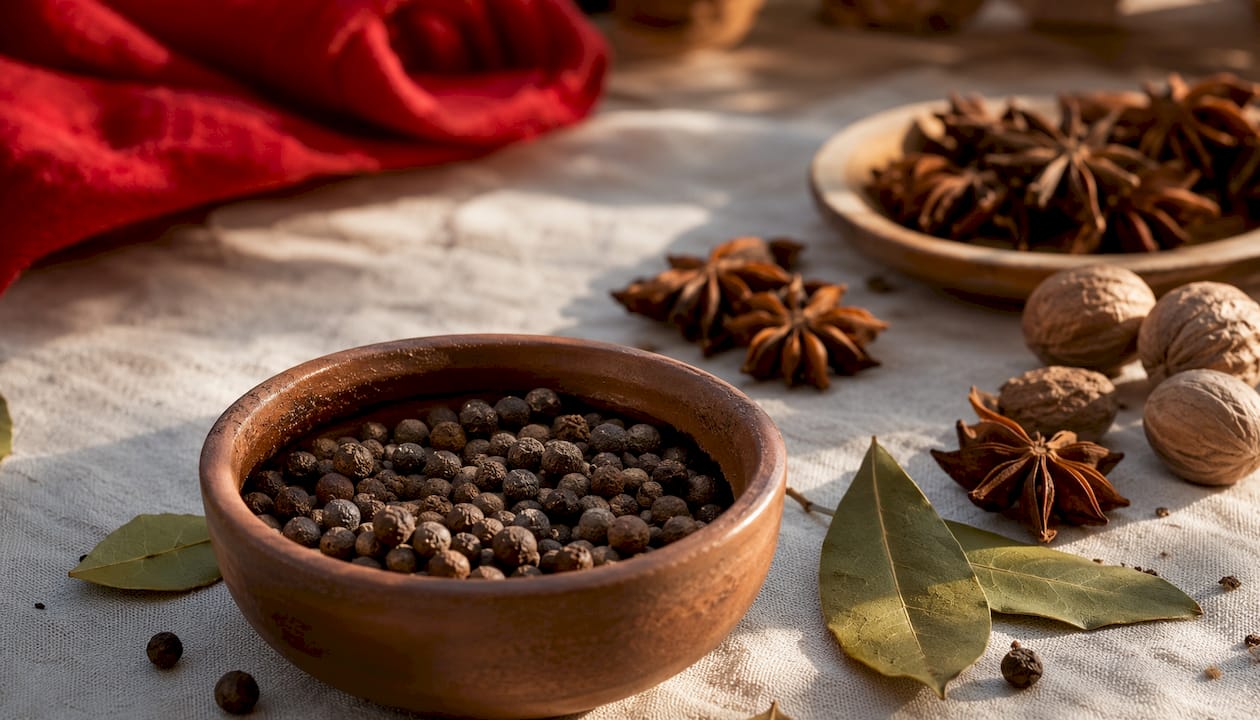
Cloves and nutmeg are intentionally kept at smaller amounts compared to the other spices. Both are potent enough to overpower the blend if used in equal measure, so experienced cooks hold them back. Coriander adds a slightly citrusy, almost floral note that softens the sharper edges from pepper and clove. Cumin brings the earthy, nutty depth that anchors everything.
Common variations you will encounter:
- Cardamom: Frequently added in other regional Baharat blends; less common in the traditional Lebanese version.
- Paprika: A Beirut-style variation stirs in one teaspoon of sweet paprika for color and mild sweetness.
- Turmeric or ginger: Appear in some family recipes, adding earthiness or a gentle heat.
- White pepper: Used alongside black pepper in some versions for a slightly different bite.
The word “Baharat” simply means “spices” in Arabic, so the term covers dozens of regional blends across the Middle East. Lebanese 7 Spice is a specific, more narrowly defined version within that broader family. Do not confuse it with Japanese seven spice (shichimi), which is an entirely different combination built around chili and citrus peel.
Many cooks treat the recipe as a flexible starting point, adjusting cinnamon upward for more warmth in winter stews or leaning into cumin for a deeper, earthier profile with lamb.
Pro Tip: If you want the blend to read warmer and sweeter, add an extra half teaspoon of cinnamon. For more savory depth, bump the cumin by the same amount. Neither change breaks the blend.
How to cook with Lebanese 7 spice
The blend is warm and aromatic, not hot. That distinction matters for how you use it. You can be generous without worrying about setting anyone’s mouth on fire, though you can always add cayenne if you want heat.
Traditional dishes that rely on it:
- Kafta: Lebanese ground meat skewers seasoned heavily with 7 spice before grilling.
- Kibbeh: Ground lamb or beef mixed with bulgur wheat and 7 spice, baked or fried.
- Hashweh: The spiced meat stuffing used inside grape leaves and stuffed zucchini.
- Lebanese rice pilaf: One teaspoon stirred into the oil before toasting the rice perfumes the entire pot.
- Lentil soup: A teaspoon added with your other spices builds complexity that cumin alone cannot replicate.
- Roasted vegetables: Toss cauliflower, sweet potatoes, or chickpeas with olive oil and 7 spice, then roast until tender and caramelized.
For ground meat dishes like kafta and kibbeh, start with 1 to 1½ teaspoons per pound of meat. Add it before any liquid so it blooms directly in the fat as the meat browns. That first minute of contact with heat is where the flavor develops.
As a dry rub, combine 2 teaspoons of 7 spice with a generous pinch of salt and rub it onto chicken thighs before pan-searing or roasting. The cinnamon and allspice create a caramelized, savory crust. One less obvious use: dust it over hummus with a drizzle of olive oil instead of the usual paprika. It reads as more layered and is a great entry point if you are new to the blend.
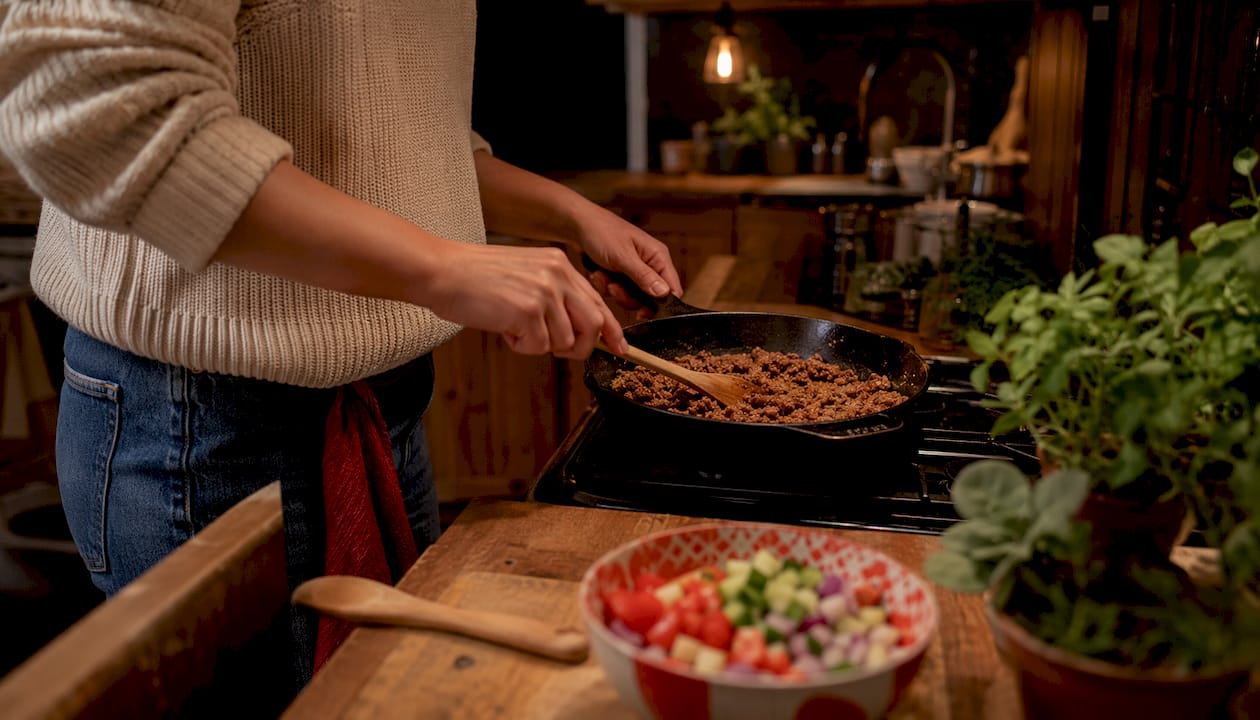
If you enjoy building heritage kitchen recipes with traditional spice blends, 7 spice opens up a wide range of weeknight possibilities beyond the obvious meat dishes.
How to source, prepare, and store your spice blend
Fresh spices make or break this blend. Before you measure anything, open each jar and smell it directly. Fresh allspice hits you immediately with warm complexity. Fresh cumin smells earthy and nutty. If a spice smells like almost nothing, replace it. Depleted spices produce a flat blend no matter how carefully you measure.
Preparation options:
- Ground spices (everyday method): Measure, whisk, done. Takes two minutes and works well for weeknight cooking.
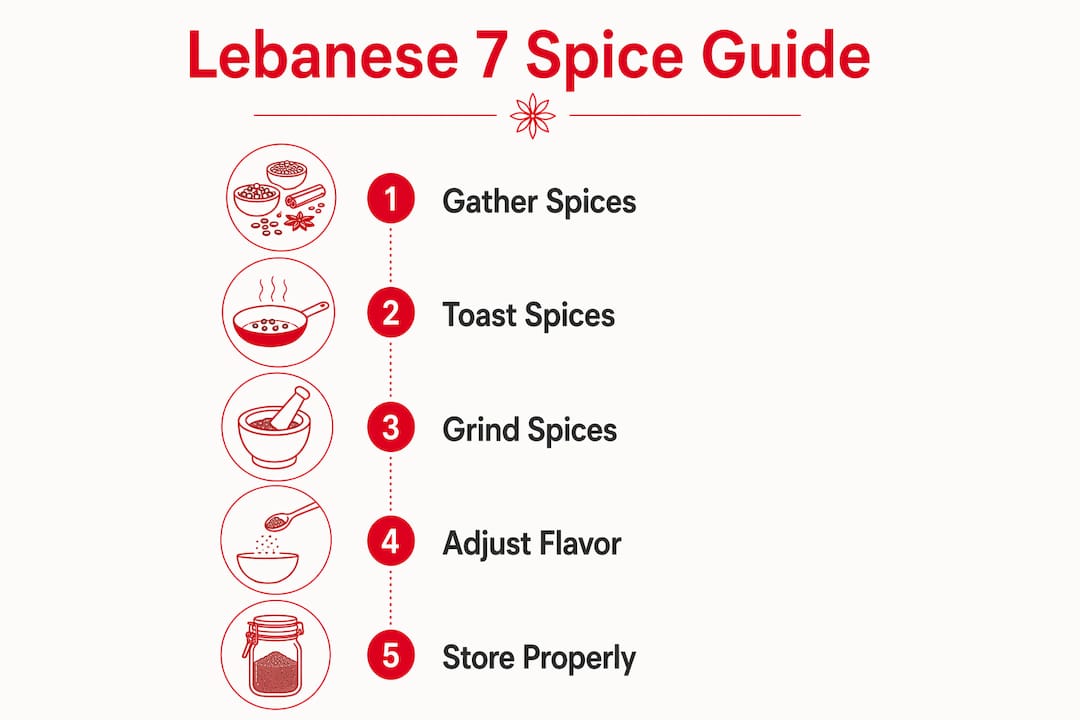
- Whole spices (best flavor): Toast whole allspice, peppercorns, cloves, a cinnamon stick, and coriander seeds in a dry skillet over medium-low heat until fragrant, shaking the pan regularly. Cool completely, then grind to a fine powder. The difference in aroma is real and noticeable.
- Freshly ground black pepper: If you have a pepper grinder, use it here. Freshly ground pepper adds pungency and clarity that pre-ground simply cannot match.
Storage best practices:
- Use a glass jar, not plastic. Plastic absorbs the essential oils from the spices and dulls the aroma over time.
- Store in a cool, dark cabinet away from the stove. Heat and humidity shorten the life of the blend.
- Label the jar with the date. The blend stays fragrant for up to six months; after that, flavor fades even if it does not smell off.
Pro Tip: Cool toasted spices completely before grinding. Grinding them warm creates steam inside the grinder, which causes clumping and uneven texture in the final powder.
If you are cooking for a crowd or make Lebanese food regularly, this recipe doubles and triples easily. A larger batch stored properly is worth the extra five minutes of prep. For quick weeknight meals where the blend does the heavy lifting, check out 30-minute dinner ideas on Hearthlyrecipes.

Warm spices like these show up across many comfort-food traditions. If you want to explore more recipes built around bold, aromatic flavors, Hearthlyrecipes has a full collection of winter comfort recipes where 7 spice fits right in.
Key Takeaways
Lebanese 7 Spice (Sabaa Baharat) is a seven-spice blend built on allspice, cinnamon, cumin, coriander, black pepper, cloves, and nutmeg, and it stays fresh in a glass jar for up to six months.
| Point | Details |
|---|---|
| Core seven spices | Allspice, cinnamon, cumin, coriander, black pepper, cloves, and nutmeg form the traditional blend. |
| Cloves and nutmeg ratio | Use ½ tablespoon each of ground cloves and nutmeg, compared to 1 tablespoon for most other spices, to keep the blend balanced. |
| Toasting whole spices | Toast in a dry skillet for 2–4 minutes before grinding for noticeably deeper aroma and flavor. |
| Storage rule | Store in a glass jar in a cool, dark place; the blend holds its potency for up to six months. |
| Meat seasoning guide | Start with 1 to 1½ teaspoons per pound of ground meat and adjust from there. |
FAQ
What are Lebanese 7 spices made of?
The traditional blend contains allspice, cinnamon, cumin, ground coriander, black pepper, cloves, and nutmeg. Allspice appears in the largest quantity because its flavor naturally ties the other spices together.
Is Lebanese 7 spice the same as baharat?
They are closely related but not identical. Baharat is the Arabic word for “spices” and covers many regional blends; Lebanese 7 Spice is a specific, consistent version within that broader category.
Is 7 spice hot or spicy?
The blend is warm and aromatic, not hot. The spices used are fragrant rather than fiery, though you can stir in a pinch of cayenne or red pepper flakes if you want added heat.
What can I substitute if I am missing one spice?
If you are out of allspice, a mix of equal parts cinnamon, cloves, and nutmeg approximates its flavor. Missing cumin? Caraway seeds, ground, come closest in earthiness. For cloves, a small amount of allspice works as a stand-in without throwing off the whole blend.