Banana Bread with Pineapple and Coconut: Tropical Loaf
TL;DR:
- This tropical banana bread combines ripe bananas, drained pineapple, and shredded coconut for a tender, flavorful loaf. Proper pineapple drainage and gentle folding techniques are essential to prevent a gummy crumb, with a bake time of 55 to 75 minutes at 350°F. The recipe offers flexibility with fats and toppings, ensuring reliable results and a Hawaiian-inspired flavor profile.
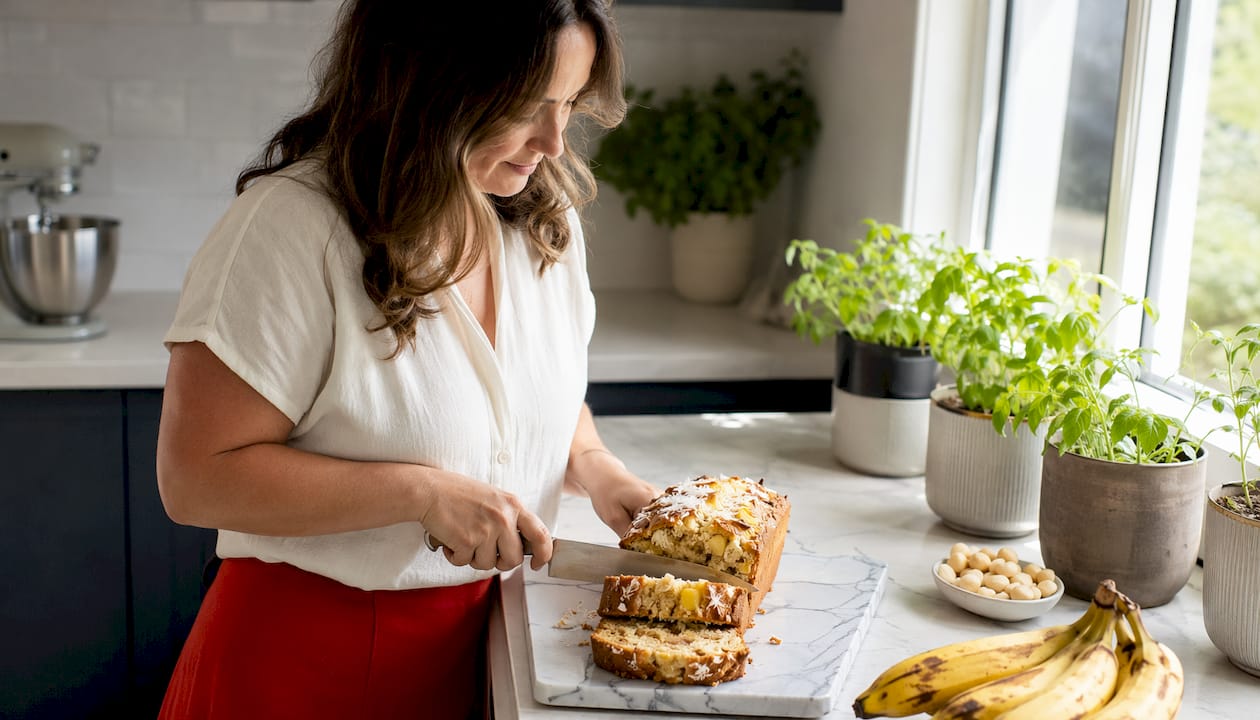
A moist, Hawaiian-inspired banana bread made with very ripe bananas, well-drained crushed pineapple, and shredded coconut produces a tender, flavorful loaf that holds together beautifully and tastes like a slice of the tropics. One standard 9x5 loaf, about 15 minutes of prep, baked at 350°F until done by toothpick test.
| Detail | Info |
|---|---|
| Yield | 1 loaf (several slices) |
| Prep time | around a quarter hour |
| Bake temp | moderate oven temperature |
| Bake time | 55–75 minutes at 350°F (175°C), or until a toothpick comes out clean |
| Cooling | short cooling in pan, then on a rack |
| Key allergens | Eggs, coconut, tree nuts (optional) |
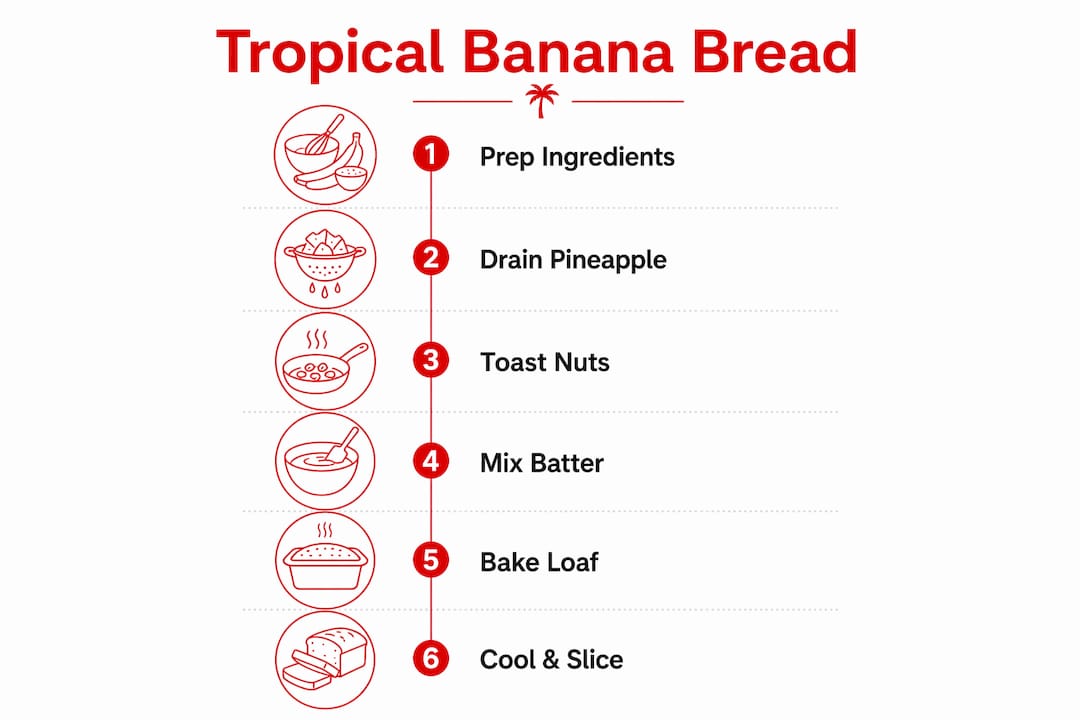
Table of Contents
- What goes into banana bread with pineapple and coconut?
- What equipment do you need before you start?
- How to make this tropical banana bread, step by step
- Printable recipe card
- How do you know when this loaf is done baking?
- What substitutions and variations work well here?
- How long does this loaf keep, and can you freeze it?
- Expert tips for a reliably tender crumb
- Why do bananas, pineapple, and coconut fat each affect how your loaf bakes?
- How do you serve this loaf for breakfast, snacks, or dessert?
- Key Takeaways
- Why this tropical loaf is worth making on a weeknight
- More tested recipes from Hearthlyrecipes
- Useful sources
- FAQ
What goes into banana bread with pineapple and coconut?
Every ingredient here pulls its weight. The bananas bring natural sweetness and body, the pineapple adds brightness and extra tenderness, and the coconut layers in chew and aroma. Here is the full list in U.S. customary units.
Wet ingredients:
- 3–4 very ripe large bananas, mashed
- 1 cup canned crushed pineapple, well drained
- 2 large eggs, room temperature
- half a cup unsalted butter, softened (or melted coconut oil)
- about three-quarters cup granulated sugar
- 1 tablespoon vanilla extract
Dry ingredients:
- all-purpose flour, about two cups
- 1 teaspoon baking powder
- ½ teaspoon baking soda
- ½ teaspoon salt
Mix-ins:
- shredded coconut, plus extra for topping
- macadamia nuts, toasted and roughly chopped (optional)
Ingredient notes worth reading:
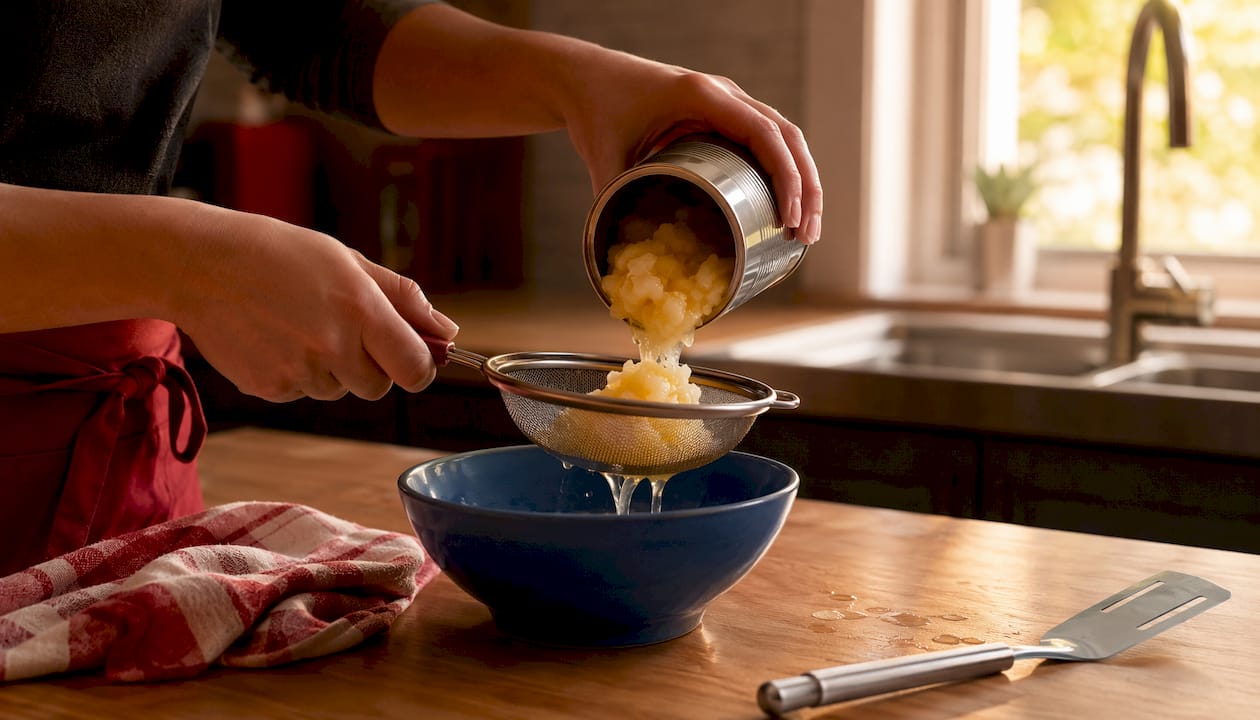
Crushed pineapple: Canned crushed pineapple is the default here, and draining it well is the single most important prep step. Draining crushed pineapple removes excess free water that can make the crumb gummy. Press it in a fine-mesh sieve or squeeze it in a clean kitchen towel. Some recipes are formulated to include the juice, but unless yours explicitly says so, drain thoroughly. If you are using fresh pineapple, finely dice or pulse it in a food processor first to prevent uneven moisture pockets.
Shredded coconut: Sweetened coconut adds more sugar and a slightly stickier crumb. Unsweetened gives you more control over sweetness and a cleaner coconut flavor. Either works; just adjust your sugar by 2–3 tablespoons if you swap from sweetened to unsweetened.
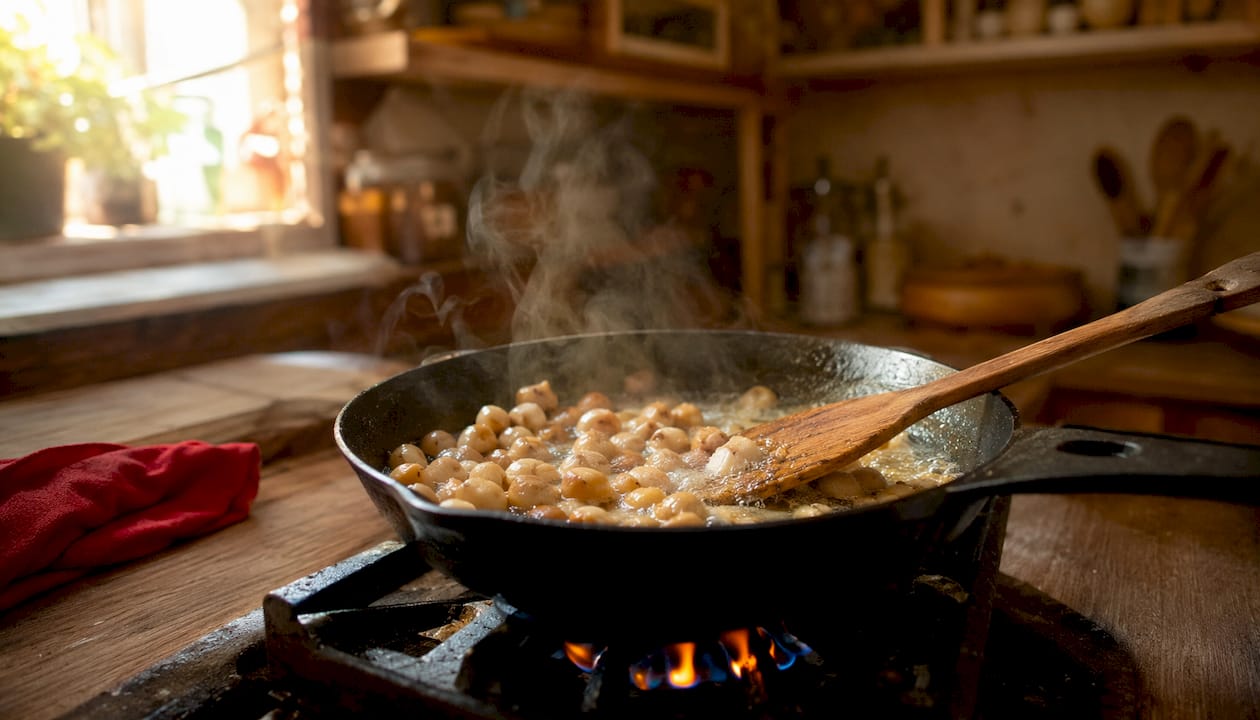
Macadamia nuts: These are optional but genuinely worth it for a Hawaiian-inspired profile. Toast them in butter over medium heat until golden and fragrant, then let them cool before folding in. Pecans or walnuts are solid substitutes if macadamias are not available.
Pro Tip: Room-temperature eggs blend more smoothly into the batter and help the loaf rise evenly. Pull them from the fridge 20–30 minutes before you start.
What equipment do you need before you start?
Nothing specialized here. A standard kitchen setup covers it.
- a standard loaf pan (preferred) or an 8x4-inch pan. The 9x5 produces a flatter, wider loaf that bakes more evenly with the added moisture from pineapple. An 8x4 gives you a taller loaf but may need an extra 5–10 minutes.
- Two mixing bowls — one large for wet ingredients, one medium for dry.
- Whisk and silicone spatula — the whisk for wet ingredients, the spatula for folding in flour and coconut.
- Potato masher or fork for the bananas.
- Fine-mesh sieve or cheesecloth for draining the pineapple.
- Wire cooling rack — non-negotiable for preventing a soggy bottom.
- Parchment paper — cut a strip that spans the length of the pan with overhang on both sides. It makes lifting the loaf out effortless.
Prep steps before you mix:
Preheat your oven to 350°F. Grease the loaf pan and line it with parchment. If you are toasting coconut or macadamia nuts, do that first so they have time to cool. Toast shredded coconut on a dry skillet over medium-low heat, stirring constantly until it turns golden. Watch it closely; coconut goes from golden to burned in under a minute.
Measure and whisk the dry ingredients together in a bowl. This way, when your wet ingredients are ready, you can fold and bake without stopping.
Pro Tip: Toast macadamia nuts in a small amount of butter over medium heat, stirring frequently, for about 2 minutes. The butter browns slightly and adds a nutty, toffee-like depth that pairs beautifully with banana and coconut — a technique also used in brown butter baking for layered flavor.
How to make this tropical banana bread, step by step
Follow this order and you will get a set, tender loaf with no gummy center or sunken top.
- Mash the bananas. In your large bowl, mash the ripe bananas until smooth with just a few small lumps. You want about 1–1.5 cups of mashed fruit.
- Combine wet ingredients. Add the softened butter (or melted coconut oil), sugar, eggs, and vanilla to the mashed bananas. Whisk until well combined, about 1–2 minutes.
- Add the drained pineapple. Fold the well-drained crushed pineapple into the wet mixture. Do not add it dry-side-up from the sieve; give it one final press before it goes in.
- Fold in the dry ingredients. Add the flour mixture to the wet bowl. Use your spatula and fold gently, turning the bowl as you go. Stop the moment you no longer see dry flour streaks. Overmixing develops gluten and toughens the crumb.
- Add coconut and nuts. Fold in the shredded coconut and macadamia nuts (if using) with 3–4 gentle strokes.
- Pan and top. Pour the batter into the prepared loaf pan and smooth the top. Sprinkle a generous handful of shredded coconut over the surface. Topping the loaf with coconut flakes before baking creates a toasted, slightly crisp crust that contrasts the soft interior.
- Bake. Place on the center rack at 350°F. Bake for 50–55 minutes, then check the top. If it is browning too fast, tent loosely with aluminum foil and continue baking.
- Check doneness. Start testing at 55 minutes. Insert a toothpick into the center; it should come out clean or with just a few moist crumbs. A few wet crumbs are fine. Raw batter means it needs more time.
- Cool in pan. Let the loaf rest in the pan for several minutes before lifting it out by the parchment. Transfer to a wire rack and let it cool for at least 30 more minutes before slicing.
Because pineapple adds extra moisture, home bakers should be ready to add 5–15 minutes to bake time and rely on the toothpick test rather than a fixed minute count.
Printable recipe card
Tropical Banana Bread with Pineapple and Coconut Yield: 1 loaf (8–10 slices) | Prep: 15 min | Bake: 55–75 min | Total: ~1.5 hrs | Oven: 350°F
Ingredients:
- 3–4 very ripe bananas, mashed (about 1–1.5 cups)
- 1 cup canned crushed pineapple, well drained
- 2 large eggs, room temperature
- half a cup unsalted butter, softened (or melted coconut oil)
- about three-quarters cup granulated sugar
- 1 tablespoon vanilla extract
- all-purpose flour, about two cups
- 1 teaspoon baking powder
- ½ teaspoon baking soda
- ½ teaspoon salt
- 1 cup shredded coconut, plus extra for topping
- ½ cup toasted macadamia nuts, chopped (optional)
Directions:
- Preheat oven to 350°F. Grease and line a 9x5 loaf pan with parchment.
- Mash bananas in a large bowl. Add butter, sugar, eggs, and vanilla; whisk to combine.
- Fold in drained pineapple.
- Add flour, baking powder, baking soda, and salt; fold until just combined.
- Fold in shredded coconut and macadamia nuts.
- Pour into pan; sprinkle top with extra coconut.
- Bake 55–75 minutes at 350°F, tenting with foil if the top browns before the center sets, until a toothpick comes out clean.
- Cool in pan briefly; transfer to wire rack to cool further.
Nutrition estimate (per slice, 1/10 of loaf): approximately 280–320 calories, 12g fat, 42g carbohydrates, 4g protein. Figures vary based on fat choice and coconut type.
Allergens: eggs, coconut, tree nuts (if macadamias included). Contains gluten.
Save or print this card for easy counter reference.
How do you know when this loaf is done baking?
Tropical banana loaves bake longer than plain banana bread. The bake time range is 55–75 minutes at 350°F for a standard 9x5 loaf with pineapple and coconut. That is a wider window than most quick breads, and it is entirely because of the added moisture.
Doneness tests:
- Toothpick test: Insert a toothpick or thin skewer into the very center of the loaf. Clean or a few moist crumbs means done. Wet batter means it needs more time.
- Visual cue: The top should be deep golden brown and slightly domed. If it looks pale, it is not ready.
- Touch test: Press the center gently. A fully baked loaf springs back; an underbaked one leaves a slight indent.
Troubleshooting:
- Overbrowning top before center is set: Tent the loaf loosely with foil if the top browns before the center is set, to protect the crust as the center finishes baking.
- Sunken center after cooling: Usually means the loaf came out too early. Next time, add 5–10 more minutes and confirm with the toothpick before pulling it.
- Gummy or dense crumb: Almost always a pineapple drainage issue. Press the pineapple more thoroughly next time.
Quick checklist for oven variables:
- Dark pans absorb more heat and can overbrown the bottom; reduce oven temp by 25°F or use a light-colored pan.
- Ovens with hot spots benefit from rotating the loaf 180° at the 40-minute mark.
- High-altitude bakers may need to reduce baking soda slightly and add a few minutes to bake time.
Pro Tip: A reliable way to check doneness in high-moisture loaves is to look at the sides pulling away from the pan. When the edges have visibly pulled back and the top is golden, the center is usually close. Confirm with the toothpick.
What substitutions and variations work well here?
This recipe is forgiving. Here are the swaps that actually hold up, and a few that need adjustments.
Fat swaps:
Butter gives you a rich, classic flavor. Melted coconut oil deepens the coconut aroma and produces a slightly more tender crumb because of its fat composition. Full-fat coconut cream can replace part of the butter (swap up to half) for an even more pronounced tropical flavor, but it adds liquid, so reduce any other added moisture slightly. Brown butter, made by cooking butter until the milk solids turn golden, adds a nutty, toffee-like depth that pairs especially well with banana and pineapple.
Sweetness and coconut choices:
| Swap | Effect | Adjustment needed |
|---|---|---|
| Sweetened → unsweetened coconut | Less sweet, cleaner flavor | Add 2–3 tbsp sugar |
| Butter → coconut oil | Stronger coconut aroma, slightly softer crumb | None |
| Butter → coconut cream (half) | Richer tropical flavor, more moisture | Reduce pineapple by 2 tbsp |
| All-purpose → 1-to-1 GF flour | Slightly denser, crumblier texture | None; expect shorter rise |
| Macadamias → pecans or walnuts | Nuttier, less tropical | None |
Gluten-free direction: A 1-to-1 gluten-free flour blend (such as Bob’s Red Mill 1-to-1) works without other changes. Expect a slightly denser texture and a crumb that benefits from an extra 5 minutes of bake time.
Toppings and add-ins:
- Cream cheese frosting: beat 4 oz softened cream cheese with 1 cup powdered sugar, a splash of vanilla, and 1–2 tablespoons heavy cream. Spread over the cooled loaf.
- Pineapple glaze: mix reserved pineapple juice with powdered sugar to a drizzle consistency and pour over the cooled loaf.
- Toasted coconut crust: press extra coconut into the top before baking for a crisp, caramelized finish.
Pro Tip: If you want to use fresh pineapple instead of canned, pulse it in a food processor until finely chopped, then press out as much juice as possible through a sieve. Fresh pineapple contains bromelain, an enzyme that can affect gluten structure if left in large pieces, so fine chopping matters more here than with canned.
How long does this loaf keep, and can you freeze it?
Because this loaf contains crushed pineapple, it needs refrigeration. Unlike plain banana bread, which is fine on the counter for a few days, the pineapple makes refrigeration necessary to keep it safe and fresh.
Storage guidance:
- Refrigerator: Wrap the cooled loaf tightly in plastic wrap or store slices in an airtight container. It keeps well for up to one week.
- Freezer: Wrap individual slices in plastic wrap, then place them in a zip-top freezer bag. The loaf freezes well for up to 3 months.
- Thawing: Move slices from the freezer to the refrigerator the night before, or thaw at room temperature for 1–2 hours.
- Reheating: Warm a slice in a toaster oven at 300°F for 5–7 minutes to restore moisture and re-crisp the coconut topping. A microwave works too; cover the slice with a damp paper towel and heat in 20-second bursts.
- Make-ahead tip: Bake the loaf a day ahead and refrigerate overnight. The flavor deepens as moisture redistributes through the crumb, and slicing is cleaner the next day.
For other fruit-forward baked goods that need similar storage care, the same refrigeration-first rule applies whenever fresh or canned fruit is folded into the batter.
Expert tips for a reliably tender crumb
These are the details that separate a good loaf from a great one.
- Banana ripeness is everything. Use bananas with heavy brown speckling, not just a few spots. The darker the peel, the higher the natural sugar content and the more moisture the banana contributes. Three to four large bananas yield approximately 1–1.5 cups of mashed fruit, which is the target volume for this recipe.
- Drain the pineapple aggressively. Pour the can into a fine-mesh sieve, press with the back of a spoon, then press again. If you are using a kitchen towel, wring it out twice. Excess free water is the primary cause of a gummy, underbaked center.
- Fold, do not stir. Once the flour goes in, switch to a spatula and use a folding motion. Stop the moment the dry streaks disappear. Ten extra strokes can noticeably toughen the crumb.
- Tent at the right moment. Check the top at 50 minutes. If it is already deep golden, lay a sheet of foil loosely over the pan. This prevents the crust from burning while the center finishes.
- Cool in the pan first. Let the loaf sit in the pan for 10–15 minutes after pulling it from the oven. The structure is still setting during this time, and moving it too soon can cause the center to collapse.
Pro Tip: Resting the fully cooled loaf overnight before slicing is worth it. The crumb firms up, the flavors settle, and you get cleaner slices. Wrap it in plastic and refrigerate; slice in the morning.
Why do bananas, pineapple, and coconut fat each affect how your loaf bakes?
The short answer: banana sugar content, pineapple water, and fat type each influence crumb structure and bake time in ways that compound each other. Understanding the interaction helps you make smarter adjustments.
Very ripe bananas concentrate natural sugars and contribute significant moisture to the batter. That moisture is bound up in the fruit’s cell structure, so it releases gradually during baking rather than pooling as free water. Pineapple behaves differently. Crushed pineapple carries a high proportion of free water, which dilutes the batter and slows the internal temperature rise. That is why tropical banana loaves need 55–75 minutes at 350°F rather than the 50–60 minutes a plain loaf requires.
Draining crushed pineapple or finely chopping fresh pineapple chunks reduces free water and prevents a gummy texture — the single most consistent finding across tested tropical banana bread recipes.
Fat choice shapes the crumb in a different way. Butter creates a tender, slightly dense structure. Coconut oil and full-fat coconut cream increase coconut flavor and can enhance tenderness, though they change batter viscosity and may affect bake time slightly. Brown butter, which has had its water cooked off, adds flavor complexity without adding extra moisture, making it a particularly clean swap.
The practical takeaway: drain the pineapple thoroughly, choose your fat based on the flavor profile you want, and use the toothpick test rather than the clock. Hearthlyrecipes author Susan Scortberg tested this recipe specifically to account for the pineapple moisture variable, which is why the bake window is given as a range rather than a single number.
How do you serve this loaf for breakfast, snacks, or dessert?
The loaf is good warm, cold, or toasted. Here are the pairings that work best.
- Warm with butter: The simplest and most satisfying way. A thick slice straight from the oven with salted butter melting into the crumb is hard to beat.
- Cream cheese spread: Softened cream cheese with a little honey and a pinch of lime zest pairs beautifully with the pineapple brightness.
- Rum-infused butter: Whip softened butter with a teaspoon of dark rum and a pinch of brown sugar for a quick spread that leans into the Hawaiian theme.
- Coconut yogurt: A dollop of thick coconut yogurt on the side turns a breakfast slice into something that feels more substantial.
- French-toast style: Dip thick slices in a beaten egg with a splash of coconut milk and pan-fry in butter until golden. Serve with a drizzle of maple syrup.
- Toasted with mascarpone: Toast a slice, spread with mascarpone, and finish with a few toasted coconut flakes on top. Works well as a light dessert.
- Beverage pairings: Strong black coffee, a vanilla latte, or a cup of coconut chai all complement the tropical sweetness. For a brunch spread, a glass of cold pineapple juice alongside is a natural fit.
For a holiday brunch or party, slice the loaf thin, arrange on a board with cream cheese and tropical fruit, and let guests build their own.
Key Takeaways
A reliably tender tropical banana bread requires very ripe bananas, aggressively drained pineapple, and a gentle folding technique — with bake time confirmed by toothpick, not the clock.
| Point | Details |
|---|---|
| Banana ripeness | Use heavily speckled bananas; 3–4 large bananas yield about 1–1.5 cups mashed. |
| Pineapple drainage | Press drained crushed pineapple twice; excess free water causes a gummy crumb. |
| Mixing technique | Fold dry into wet just until combined; overmixing toughens the loaf. |
| Bake time range | Expect 55–75 minutes at 350°F; tent with foil if the top browns before the center sets. |
| Storage | Refrigerate in an airtight container because of the pineapple; keeps fresh for days. |
| Hearthlyrecipes | This tested recipe from Hearthlyrecipes accounts for pineapple moisture with a flexible bake window and toothpick-first doneness guidance. |
Why this tropical loaf is worth making on a weeknight
The conventional wisdom around banana bread is that it is a forgiving recipe you can throw together without much thought. That is mostly true for a plain loaf. Add pineapple and coconut, and the margin for error narrows in one specific way: moisture management. Every failed tropical banana bread I have seen comes down to the same thing — undrained pineapple sitting in a batter that was never designed to handle that much free water.
What makes this recipe reliable is that it treats pineapple drainage as a non-negotiable step rather than a suggestion. The bake window is wide on purpose. The toothpick test is the real doneness signal, not the timer. These are not complicated techniques; they are just the right ones applied in the right order.
The Hawaiian inspiration here is genuine. The combination of banana, pineapple, and toasted macadamia nuts in a coconut-scented crumb is a real flavor profile with roots in the kind of quick breads you find along the Road to Hana. You do not need a trip to Maui to get there. You need ripe bananas, a can of Dole crushed pineapple, and about 90 minutes on a weeknight.
More tested recipes from Hearthlyrecipes
If this tropical loaf hit the spot, Hearthlyrecipes has a full catalog of tested, comfort-forward recipes worth exploring. The All Recipes collection covers everything from quick breads and fruit-forward bakes to slow cooker dinners and air fryer weeknight meals. For readers who want to stay in the sweet-baked lane, the cake recipes category has frosted loaves, layer cakes, and dessert bars that use similar techniques. If mornings are your main baking window, the Morning Fuel collection is built around recipes that work for breakfast and brunch without requiring a full afternoon in the kitchen.
Every recipe on Hearthlyrecipes is tested for home kitchens, with step-by-step instructions and practical notes on substitutions and storage. Browse the full catalog and find your next bake.
Useful sources
These are the recipe posts and technique references that informed the guidance in this article.
- Tropical Banana Bread — The Wholesome Spoon: A tested tropical banana bread with notes on pineapple drainage, refrigeration requirements, and a detailed ingredient breakdown. Particularly useful for storage guidance.
- Pineapple Coconut Banana Bread — Freutcake: Covers the toasted coconut topping technique and the importance of draining pineapple to prevent a gummy crumb.
- Coconut Pineapple Banana Bread — Life with Zoe: Primary source for the 55–75 minute bake time range at 350°F and the recommendation to add extra bake time when using pineapple or coconut cream.
- Tropical Pineapple Coconut Banana Bread — Eat with Mia: Practical guidance on topping the loaf with coconut flakes before baking for a toasted crust.
- Moist Pineapple Banana Bread with Coconut — Wild Wild Whisk: Notes on using brown butter as a fat option for added flavor depth without changing moisture balance.
- Tropical Banana Bread with Pineapple and Coconut — Forma Healthy Life: Hawaiian-inspired recipe with macadamia nut toasting technique and cream cheese frosting guidance.
FAQ
Can you use fresh pineapple instead of canned?
Yes, but finely dice or pulse it in a food processor first, then press out as much juice as possible. Fresh pineapple holds more free water than well-drained canned, so thorough pressing is critical.
Does banana bread with pineapple need to be refrigerated?
Yes. Because crushed pineapple is a perishable ingredient, this loaf should be stored in an airtight container in the refrigerator, where it keeps for up to one week.
Why is my tropical banana bread gummy in the center?
The most common cause is undrained pineapple. Press the drained pineapple a second time before adding it to the batter, and extend bake time in 5-minute increments until the toothpick comes out clean.
Can you freeze this pineapple coconut banana loaf?
Yes. Wrap individual slices in plastic wrap, place in a freezer bag, and freeze for up to 3 months. Thaw overnight in the refrigerator or at room temperature for 1–2 hours.
What is the best fat to use — butter or coconut oil?
Butter gives a classic, rich flavor. Coconut oil deepens the tropical aroma and produces a slightly more tender crumb. Both work well; choose based on how pronounced you want the coconut flavor to be.