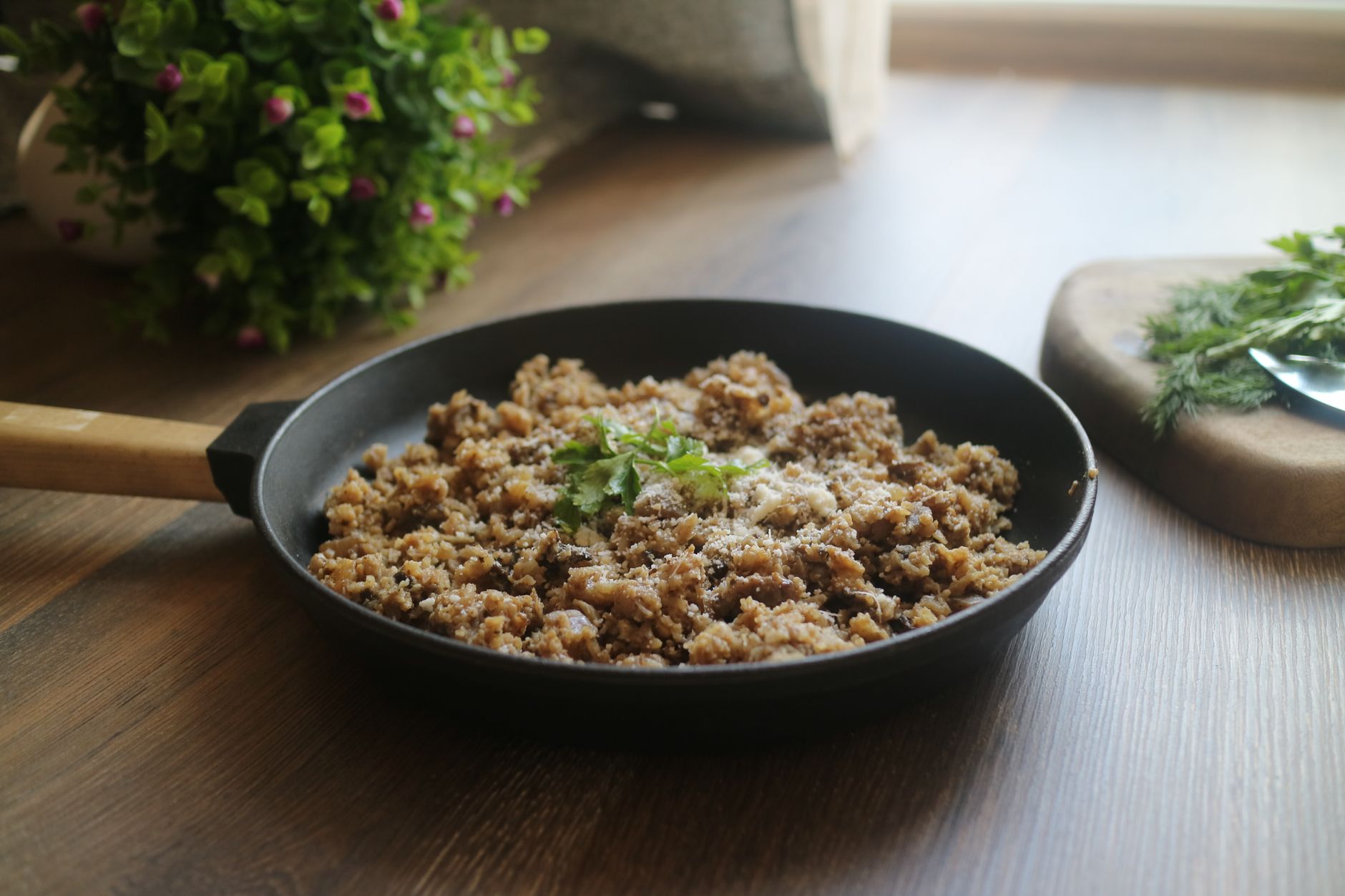
Easy recipes in the oven simplify weeknight cooking by using dry heat to roast, bake, or broil ingredients with minimal hands-on time. You prepare the dish, set the temperature, and let the appliance do the work. This method saves time and reduces cleanup.
Busy home cooks need reliable methods to get dinner on the table fast. Baking and roasting offer a hands-off approach that delivers consistent results. You can cook proteins and vegetables together on a single sheet pan. This approach frees up your time. You avoid standing over a hot stove. You can prep other items or relax while dinner cooks. The oven provides a consistent heat source that does not require your constant attention. You set a timer and walk away. Oven cooking also helps you manage your grocery budget. You can use cheaper cuts of meat because the slow, even heat tenderizes them. You also use less oil than stovetop frying. This makes your meals healthier. This guide covers meal prep strategies, temperature guides, pan selection, and specific dishes you can make tonight. You will learn how to maximize your appliance for every meal of the day. You will discover how to reduce your active cooking time by half.
What is easy recipes in the oven?
Easy recipes in the oven are dishes that require minimal preparation and rely on baking, roasting, or broiling to cook food evenly without constant supervision. You combine ingredients, place them in a baking dish or on a sheet pan, and let the ambient heat handle the cooking. This method works for everything from robust meats to delicate vegetables. According to Epicurious, roasting at high temperatures caramelizes the natural sugars in vegetables, creating deep flavor profiles without extra effort. You can bake a quick and easy homemade butter chicken or throw together a simple sheet pan meal. The process is straightforward. You save time. You reduce the number of pots and pans you need to wash.
Dry heat cooking changes the texture of your food. It draws moisture out of the surface. This allows browning to occur. Browning creates hundreds of new flavor compounds. This is why roasted vegetables taste sweeter than steamed vegetables. Convection ovens circulate air with a fan. This speeds up cooking times and creates crispier textures. Conventional ovens use radiant heat from the bottom and top elements. Both methods work well for simple meals. You just need to adjust your timing based on your specific appliance. Gas ovens add moisture to the air. This can be good for baking breads but bad for crispy roasted vegetables. Electric ovens provide a drier heat that is perfect for roasting. You should know your oven type to get the best results.
"Oven baking provides consistent, even heat distribution that allows proteins and vegetables to cook thoroughly without constant monitoring." - industry experts
How do you choose the right temperature for baking?
You choose the right temperature by matching the heat level to the ingredient density and desired texture, with 400°F being the standard for roasting vegetables and proteins. High heat creates crispy edges. Low heat tenderizes tough cuts of meat. Most weeknight meals benefit from temperatures between 375°F and 425°F. You need to understand how heat affects different foods.
- High heat (400°F to 425°F) works best for chicken breasts, potatoes, and broccoli. This temperature range promotes the Maillard reaction. This reaction browns the food and builds complex flavors. Chicken thighs become crispy on the outside and juicy on the inside at 425°F.
- Moderate heat (350°F to 375°F) suits delicate fish, baked pasta dishes, and casseroles. This range cooks food gently without drying it out. Salmon fillets bake perfectly at 375°F in about 12 to 15 minutes.
- Low heat (300°F to 325°F) is ideal for slow-roasted meats, braises, and delicate desserts. This temperature breaks down tough connective tissues in meat over time. Beef brisket becomes tender at 300°F over several hours.
- Broiling uses direct top-down heat to melt cheese or char the tops of dishes. You use broiling for the final two to three minutes of cooking. It adds a professional finish to your meals.
You should always use a meat thermometer to check for doneness. Guessing leads to overcooked or undercooked food. Insert the thermometer into the thickest part of the meat. Chicken should reach 165°F. Pork should reach 145°F. Beef depends on your preference. A thermometer is the most important tool in your kitchen drawer.
Pro Tip: Always preheat your oven fully before adding your food. Putting food in a cold oven leads to uneven cooking and soggy textures. Wait for the preheat beep or indicator light.
What are the best sheet pan meals for busy nights?
The best sheet pan meals combine a protein and a vegetable that cook at the same rate, usually taking 25 to 35 minutes at 400°F. You line a baking sheet with parchment paper or aluminum foil for instant cleanup. Sheet pan meals let you cook an entire dinner on one surface. Food.com highlights that balancing the moisture content of your ingredients prevents a soggy result. You can make an oven baked Denver omelet for breakfast or a chicken cordon bleu easy dinner. Cut your vegetables into uniform pieces so they cook evenly.
Building a sheet pan meal requires a few simple steps. First, you choose your protein. Chicken, sausage, and tofu work well. Next, you pick your vegetables. Broccoli, bell peppers, and onions are great choices. Finally, you toss everything in oil and your favorite seasonings. Spread the mixture evenly on the pan. Bake until the protein is cooked through and the vegetables are tender. You can use any spice blend you like. Italian seasoning, chili powder, and garlic powder are all excellent choices. You can also add a squeeze of lemon juice after baking for a bright finish.
- Parchment paper prevents sticking and makes cleanup fast. You throw it away after dinner.
- Uniform cuts ensure everything finishes cooking at the same time. Dice your potatoes and onions to the same size.
- Spacing allows air to circulate around the food for proper browning. Do not overlap your ingredients.
- Oil coating protects vegetables from burning and promotes caramelization. Toss everything in a light layer of olive oil.
Pro Tip: Place denser vegetables like carrots on the pan five minutes before adding softer vegetables like zucchini. This ensures everything is done at the same time.
How can you use your oven for quick desserts?
You use your oven for quick desserts by baking items with short cook times, like brownies, fruit crisps, and small pastries, usually in under 30 minutes. Baking sweets does not require hours of preparation. You can mix a simple batter and let the oven handle the rest. Taste of Home notes that fruit-based desserts bake quickly because the natural moisture in the fruit speeds up the cooking process. Try baking cocoa powder brownies easy for a fast chocolate fix. You can also bake apple caramel bombs easy for a crowd-pleasing treat. Use the end of your dinner baking cycle to start your dessert.
You can also roast fruits for a healthy dessert option. Peaches and plums become soft and sweet when baked. You serve them with a scoop of vanilla ice cream or a dollop of yogurt. The oven makes dessert preparation effortless. You do not need to watch a pot on the stove. You just set the timer and wait. Baking times vary depending on the size of your pan. A 9x13 inch pan bakes faster than a thick 8x8 inch pan. You should check your desserts five minutes before the recipe says they are done.
- Muffin tins portion out batter perfectly for individual desserts. They also reduce baking time.
- Glass baking dishes retain heat and cook fruit crisps evenly. They look good on the table too.
- Melted butter mixes faster than softened butter for crumb toppings. You do not need to wait for butter to reach room temperature.
- Toothpick testing confirms when baked goods are done in the center. Insert a toothpick and check for wet batter.
Pro Tip: Position your dessert on the middle rack to avoid burning the bottom or browning the top too quickly. Rotate the pan halfway through baking.
How does baking compare to stovetop cooking?
Baking compares to stovetop cooking by offering a hands-off, even heat distribution, while stovetop cooking requires constant attention and flipping. Stovetop cooking gives you direct heat. Oven cooking surrounds the food with hot air. Delish explains that oven baking allows flavors to concentrate as moisture evaporates slowly. You can make easy stuffed bell peppers in the oven without watching them constantly. The oven is better for feeding a crowd because you can fit multiple pans inside at once. You also avoid splattering grease on your stovetop.
Stovetop cooking is fast but requires your presence. You must stir, flip, and monitor the heat. Baking is slower but passive. You put the food in and walk away. This makes baking ideal for multitasking. You can help kids with homework or clean the kitchen while dinner cooks. Baking also produces different textures. Roasted vegetables have crispy edges and soft centers. Sautéed vegetables are softer throughout. Baking is often more energy efficient for large meals. You cook everything at once in one heated space. Stovetop cooking requires multiple burners and more overall energy.
| Feature | Oven Baking | Stovetop Cooking |
|---|---|---|
| Heat Type | Surrounding dry heat | Direct conductive heat |
| Attention Required | Low, mostly hands-off | High, requires stirring/flipping |
| Capacity | Multiple racks, large batches | Limited to burner size |
| Cleanup | Often one pan, lined with foil | Multiple pots and pans |
| Texture Result | Roasted, caramelized, baked | Sautéed, seared, steamed |
How do you adapt stovetop recipes for the oven?
You adapt stovetop recipes for the oven by increasing the cooking temperature, adding extra liquid, and using a covered dish to trap moisture. Many stovetop skillet meals transfer perfectly to a baking dish. You save time by not stirring constantly. Good Housekeeping suggests using oven-safe skillets to move a dish directly from the stovetop to the oven for a perfect sear and even finishing heat.
You can convert almost any braise or stew to an oven recipe. You sear the meat on the stovetop first. Then you add your liquid and transfer the pan to a 325°F oven. The oven provides gentle, even heat that prevents the bottom from scorching. You get tender meat with less effort. You can also bake pasta dishes instead of boiling the noodles separately. You just add extra sauce and bake until the pasta is tender. You should check your dish halfway through the baking time. You can add more liquid if the food looks dry.
- Cast iron skillets transition seamlessly from the stovetop to the oven. They retain heat extremely well.
- Dutch ovens trap steam and tenderize tough meats during long bakes.
- Baking dishes distribute heat evenly for casseroles and pasta bakes.
- Foil covers prevent the tops of dishes from burning while the center cooks.
Pro Tip: Reduce the liquid in your recipe by about 20 percent when moving it to the oven. Liquid evaporates much slower in an oven than on a stovetop.
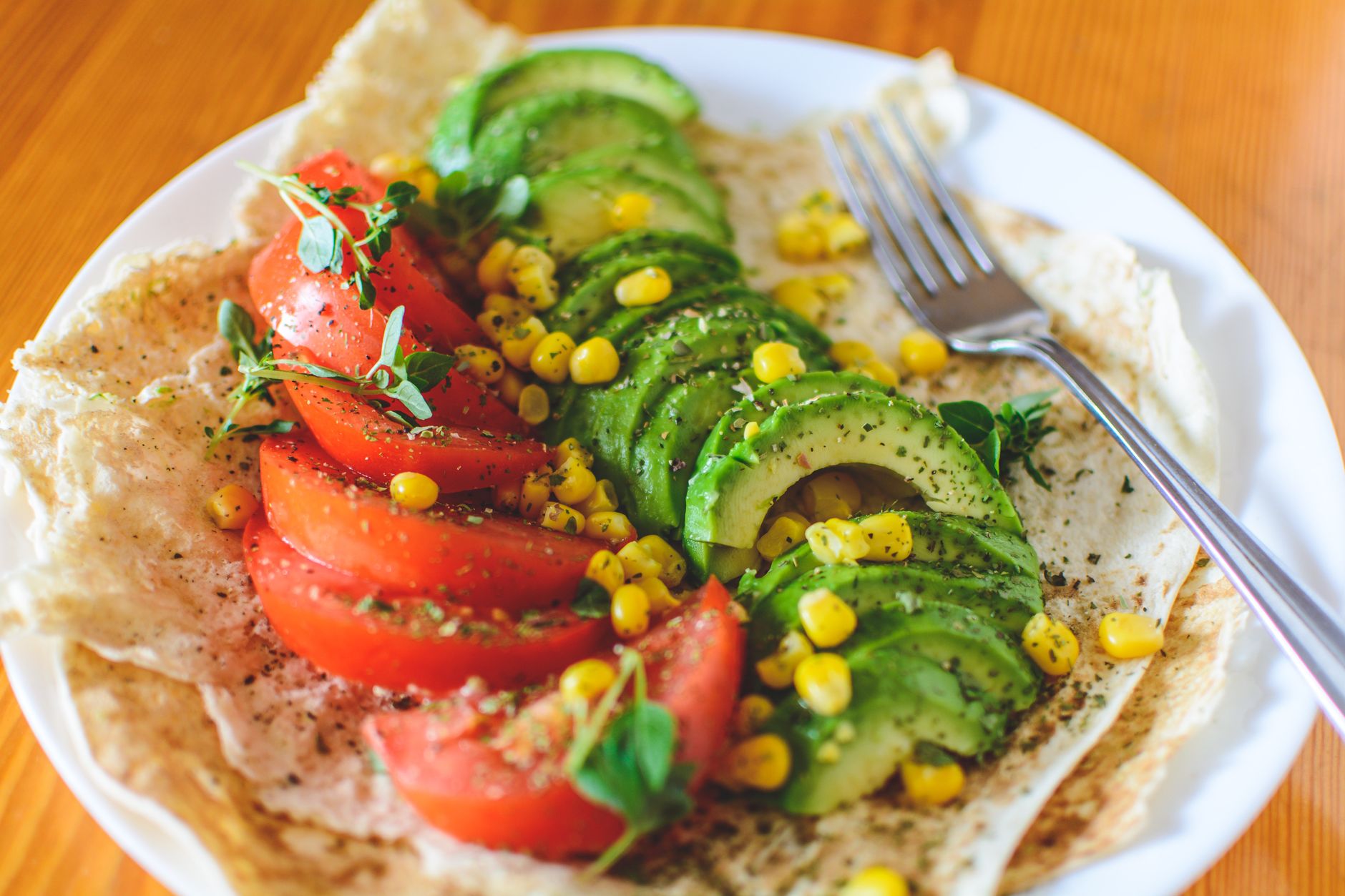
Key Takeaways
Mastering the oven transforms your weeknight dinner routine by simplifying prep and cleanup.
| Point | Details |
|---|---|
| Temperature matters | 400°F is ideal for roasting vegetables and proteins quickly. |
| Sheet pan efficiency | Cook proteins and vegetables together on one pan to save time. |
| Dessert speed | Fruit-based desserts and brownies bake in under 30 minutes. |
| Hands-off cooking | Baking requires less attention than stovetop cooking. |
| Easy cleanup | Lining pans with parchment paper or foil eliminates scrubbing. |
What I've learned from baking weeknight dinners
I have spent years testing different temperatures and pan configurations. I used to stand at the stove stirring sauces while my vegetables burned on the other burner. Switching to the oven changed my routine completely. I learned that preheating is non-negotiable. I also learned that spacing matters. Crowding the pan ruins the texture because the food steams instead of roasts. When I started using my oven for everything from mains to desserts, my stress dropped significantly. I can throw together an old time oven peach cobbler or honey roasted peaches oven while I eat my main course. The oven is the most reliable tool in my kitchen. It gives me my time back. I no longer dread the dinner rush. I prep my ingredients, put them in the oven, and use the downtime to relax or catch up on other tasks. The results are consistently better than my stovetop attempts. My vegetables are crispier. My meats are juicier. I will never go back to juggling multiple pans on the stove.
, Maria Bianchi
Hearthly helps you cook smarter
Hearthly helps you cook smarter by providing a free recipe finder tool that matches your ingredients to quick oven meals. You type in what you have in your pantry. The tool gives you a list of recipes you can make right now. You save time and reduce food waste. You can filter by cooking method to find oven-specific recipes. This tool takes the guesswork out of dinner. You get clear instructions and exact cooking times. You can also save your favorite recipes for later. The tool helps you plan your week efficiently. You will never run out of ideas for your oven. You can generate a full shopping list based on your meal plan. This ensures you have everything you need before you start cooking. 
FAQ
Can you bake a whole meal on one pan?
Yes, you can bake a whole meal on one pan. You need to choose ingredients that cook at the same rate. Cut dense vegetables smaller so they finish cooking at the same time as your protein. Line the pan with foil or parchment paper for easy cleanup.
Do you need to preheat the oven for every recipe?
Yes, you need to preheat the oven for almost every recipe. Preheating ensures the food starts cooking immediately at the right temperature. Skipping this step leads to uneven results and longer cook times. Wait for the preheat signal before putting your food inside.
What is the best temperature for roasting vegetables?
400°F is the best temperature for roasting vegetables. This high heat caramelizes the natural sugars and creates crispy edges. Lower temperatures will steam the vegetables instead of roasting them. Always toss your vegetables in oil before baking.
How do you prevent food from sticking to the pan?
You prevent food from sticking by lining the pan with parchment paper or aluminum foil. You can also coat the pan and the food lightly with oil. This creates a barrier between the food and the metal. Never use cooking spray on bare metal because it leaves a sticky residue.
Can you cook frozen vegetables in the oven?
Yes, you can cook frozen vegetables in the oven. You should roast them straight from frozen at 400°F. Do not thaw them first, as thawing releases excess water and prevents browning. Toss them in oil and seasonings before baking for the best flavor.