3/4 Cup Milk + 1/4 Cup Butter: Heavy Cream Substitute That Works
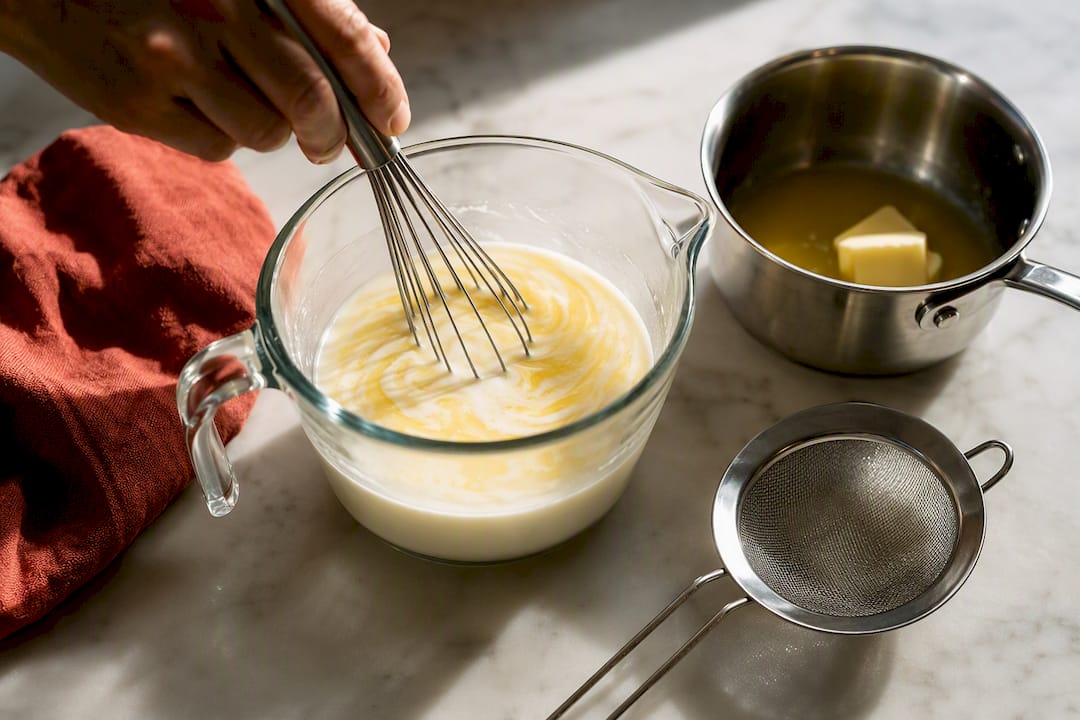
Mix 3/4 cup whole milk with 1/4 cup melted unsalted butter to replace 1 cup heavy cream in almost any cooked recipe. It works in soups, sauces, and most baking. The one thing it won’t do is whip into stiff peaks. If you need whipped topping, reach for chilled coconut cream or the real thing. For everything else, keep reading for the exact swap by recipe type.
TL;DR:
- Milk and butter provide a versatile substitute that closely mimics cream’s fat content, but cannot be whipped into peaks.
- Evaporated milk offers a no-prep pantry option suitable for most baked goods, soups, and sauces, with optional flavor enhancements for desserts.
- Coconut cream is the best dairy-free replacement for richness and can sometimes be whipped if the brand contains no emulsifiers or guar gum.
- Half-and-half boosted with melted butter improves heat stability for sauces and soups but remains unstable for whipping purposes.
- Substitutes like Greek yogurt and cottage cheese can add tang and protein but risk curdling during high heat or boiling.
Table of Contents
- Which Heavy Cream Substitute Should You Use?
- How to Make Each Heavy Cream Substitute at Home
- What’s the Best Substitute for Each Recipe Type?
- When Does a Heavy Cream Substitute Actually Fail?
- What We’ve Learned Testing Substitutes in Hearthlyrecipes’ Kitchen
- A Cook’s Take on Substituting With Confidence
- Try These Swaps in a Recipe That’s Already Been Tested
- Where This Information Comes From
- Sources
- FAQ
Which Heavy Cream Substitute Should You Use?
Pick based on what the recipe actually needs from the cream: fat for richness, structural fat for whipping, or just body and thickness. That single question saves more failed recipes than any ratio chart.
Here’s the fast version, organized by what you’re making:
- Sauces, soups, and most baking: Whole milk + melted butter (3/4 cup milk + 1/4 cup melted butter per 1 cup cream). This is the best all-purpose swap because it rebuilds the fat content cream provides without changing flavor.
- Pantry emergencies, both sweet and savory: Evaporated milk, used straight, cup for cup. No mixing required.
- When you want dairy richness but have half-and-half on hand: Half-and-half plus a splash of melted butter. It gets you closer to cream’s fat content than half-and-half alone, though it still won’t whip reliably.
- Dairy-free richness, and sometimes whipped topping: Coconut cream, obtained by chilling full-fat coconut milk and scooping the solidified cream, is a reliable non-dairy substitute for richness and can sometimes be whipped, depending on the brand.
- Dairy-free with a neutral flavor: Cashew cream, blended smooth and strained. It disappears into savory sauces the way coconut cream never will.
- Adding protein or tang while thickening a dish: Greek yogurt mixed with a little milk. Great for dips and finishing sauces, risky in delicate baked goods.
- Low-fat thickening where richness isn’t the point: Cornstarch whisked into milk and heated gently. It builds body without adding fat.
Each of these fills a different job. Milk and butter covers the widest range of recipes because it mimics cream’s fat percentage almost exactly, which is why it’s the default answer whenever someone asks what to grab instead of heavy cream. Evaporated milk is the better choice when you want zero prep. Coconut cream is the only realistic option when a recipe both needs richness and needs to hold its shape after whipping.
One thing worth knowing upfront: cream’s whipping ability isn’t a texture trick; it’s chemistry. The FDA defines heavy cream as containing at least 36% milkfat, and that threshold isn’t arbitrary. Fat globules at that concentration trap air and hold structure. Drop below it, and whipping becomes a losing battle no matter how hard you go at it with a mixer. That’s the reason milk and butter, half-and-half, and most homemade dairy-free blends can thicken a sauce beautifully but collapse the second you try to whip them into a topping.
How to Make Each Heavy Cream Substitute at Home
Getting the ratio right is only half the job. How you mix, heat, and store each substitute determines whether it behaves like cream or breaks apart in the pan.
1. Whole milk and melted butter (the all-purpose fix)
Melt 1/4 cup unsalted butter and let it cool for a minute so it doesn’t scald the milk. Whisk it into 3/4 cup whole milk until fully combined; the mixture will look slightly separated at first, which is normal. Use it immediately rather than storing it, since it can separate again in the fridge. If you notice small butter flecks after whisking, strain through a fine mesh sieve before adding it to a sauce or batter.
2. Half-and-half, boosted for richer results
Half-and-half alone runs 10.5% to 18% milkfat, well short of cream’s 36%. To close that gap for a sauce or soup, whisk 1 cup half-and-half with 2 tablespoons melted butter. This gets you closer to cream’s body for stovetop cooking, though it still won’t whip. Use it plain, unboosted, for coffee or cereal, where the thinner texture doesn’t matter.
3. Evaporated milk, straight from the can
No mixing needed. Swap it in cup for cup for heavy cream in soups, casseroles, and most baked goods. For desserts, stir in a half teaspoon of vanilla extract and a teaspoon of sugar per cup to round out the slightly cooked, faintly caramelized flavor evaporated milk carries from the canning process. Skip this step in savory dishes.
4. Cashew cream for silky, neutral sauces
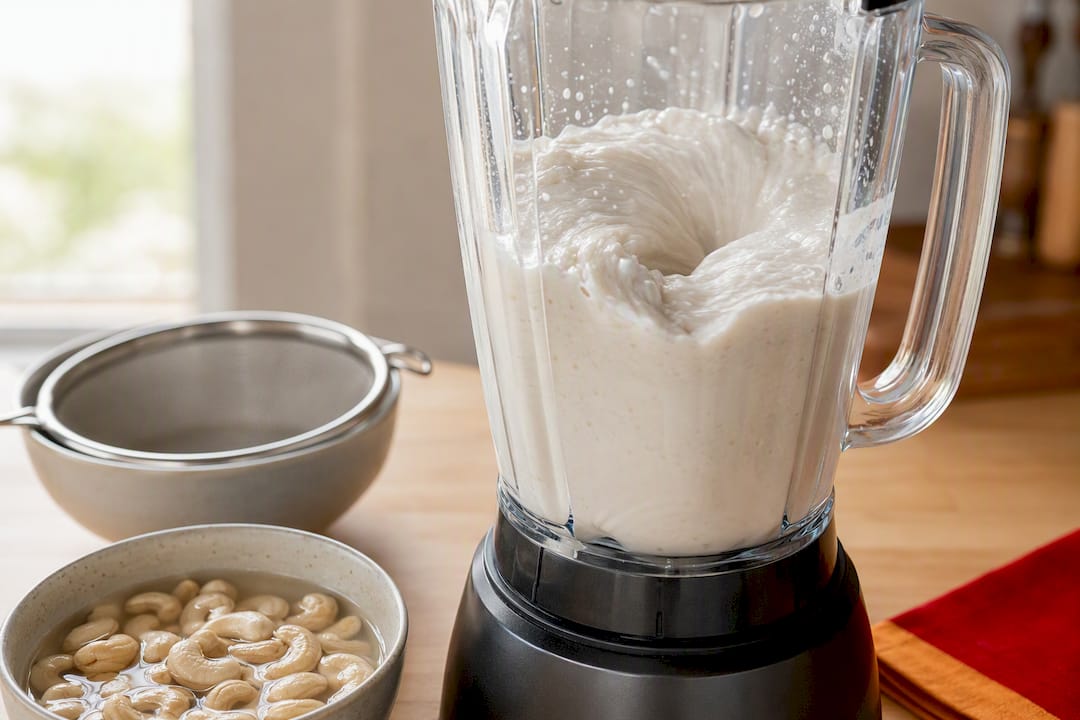
Soak 1 cup raw cashews in hot water for 15 minutes, or boil them for 10 minutes if you’re short on time. Drain, then blend with 3/4 cup fresh water until completely smooth, stopping to scrape the sides two or three times. A high-speed blender gets you there in under two minutes; a standard blender may need closer to four. For silkier sauces, strain the blended cream through a fine sieve or cheesecloth to catch any remaining grit. This version holds up well in reheated soups and creamy pasta sauces.
5. Coconut cream, chilled and scooped
Refrigerate a can of full-fat coconut milk for 6 to 24 hours without shaking it. The cream separates and solidifies at the top; open the can carefully and scoop off just that solid layer, leaving the watery liquid behind. Coconut cream scooped this way is the most reliable dairy-free option for both richness and, with the right brand, actual whipped peaks.
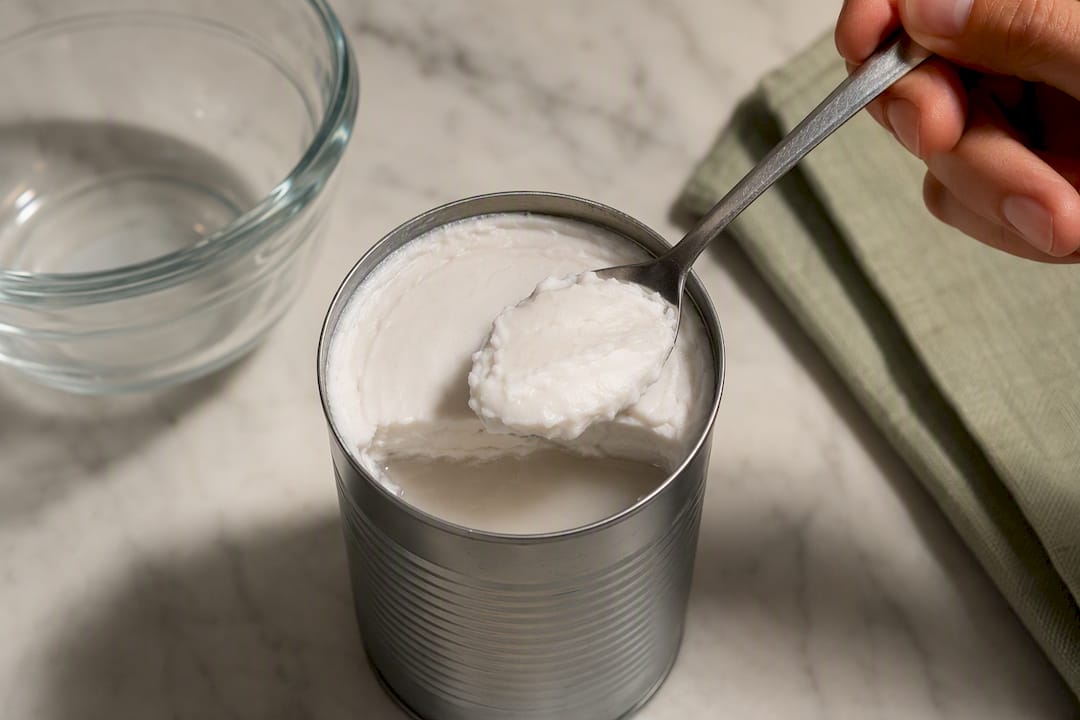
Pro Tip: Check the ingredient label before buying coconut milk for this purpose. Cans with added emulsifiers or guar gum separate less cleanly, which means less usable cream at the top and a gummier texture once whipped.
6. Silken tofu blended with soy milk
For vegan custards, cheesecakes, and puddings, blend one 12-ounce package of silken tofu with 1/4 cup unsweetened soy milk until the mixture is completely smooth with no visible lumps. This combination brings protein structure that mimics cream’s body in baked custards far better than any nut-based cream can.
7. Greek yogurt and cottage cheese blends
Whisk plain Greek yogurt with a splash of milk to loosen it for dips, dressings, and finishing sauces. The tang adds a flavor cream doesn’t have, so taste as you go. For a smoother, less tangy result in casseroles, blend full-fat cottage cheese in a food processor for 60 seconds before using it in place of part of the cream. Both options curdle if added to a boiling liquid, so pull the pan off direct heat and stir them in at the end, or temper them first with a spoonful of the hot liquid whisked in before combining fully.
8. Stabilizing with cornstarch or a roux
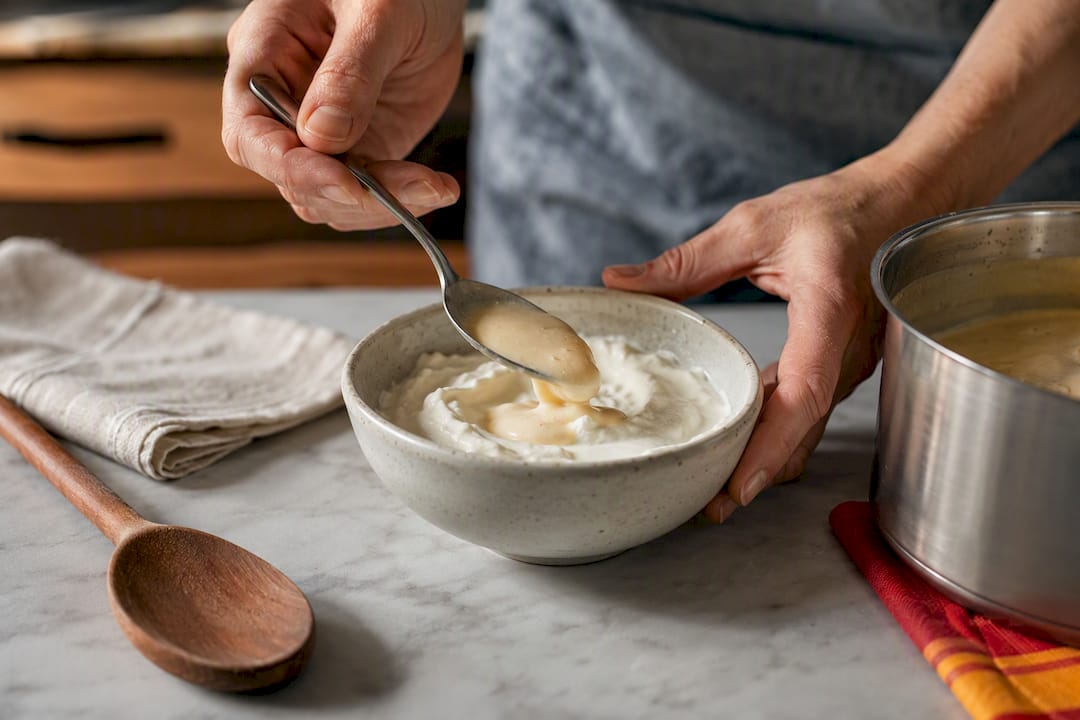
For sauces and gravies where you’re using a lower-fat substitute like milk and butter or half-and-half in a high-heat application, whisk 1 to 2 tablespoons of cornstarch into the cold milk before it hits the heat. This builds body and helps prevent splitting once the sauce simmers. A small roux, equal parts butter and flour cooked for a minute before whisking in the milk substitute, does the same job and adds a slightly nuttier flavor.
What’s the Best Substitute for Each Recipe Type?
The right substitute changes depending on what the dish actually asks of the cream, heat tolerance, structure, or pure richness.
Sauces and soups. Prioritize swaps that hold up under heat without breaking. Milk and butter, half-and-half boosted with butter, and evaporated milk all perform well here because they’re fat-forward and heat-stable. A creamy chicken and mushroom sauce or a shrimp and corn bisque both tolerate milk and butter without any noticeable difference in the final texture.
Casseroles and gratins. These dishes need thicker dairy that won’t turn watery once baked. Cream cheese, mascarpone, or the milk and butter mix all work, but cut back slightly on any other liquid in the recipe to account for the extra moisture these substitutes bring compared to straight cream.
Baking and custards. Evaporated milk is usually the safer bet here because its reduced water content matches cream’s density more closely than a Greek yogurt blend does. Yogurt works in some quick breads and muffins, but test a small batch first. Texture shifts are common, and a cake that leans dense with yogurt might come out gummy with a different substitute.
Whipped toppings and frostings. This is where most substitutes fall apart, literally. Milk and butter, half-and-half, cashew cream, and evaporated milk will not whip into stable peaks no matter how cold your bowl is. Chilled coconut cream is your best non-dairy shot: scoop the solid layer, beat it with a hand mixer for 2 to 3 minutes, and add a tablespoon of powdered sugar if you want stabilized sweetness. If it still won’t hold, buy real heavy cream. There’s no substitute workaround for this one.
Beverages and coffee. Half-and-half, used plain, gives the closest mouthfeel to cream without needing any boost. If you only have a richer substitute like cashew cream on hand, thin it with a splash of water or milk so it doesn’t overwhelm the drink.
When Does a Heavy Cream Substitute Actually Fail?
Whipping is where every substitute conversation eventually breaks down, and the reason is structural, not a matter of technique. Fat globule size and concentration determine whether a liquid can trap air and hold a shape. Heavy cream’s 36%-plus milkfat gives it enough structural fat to form stable peaks; half-and-half’s thinner, more homogenized fat globules simply can’t do the same job, no matter how long you beat it.
A few recipes have no practical substitute at all. Making actual butter requires cream’s fat structure to separate correctly; milk and butter blends or cashew cream won’t churn into anything usable. Certain classic pastries, like a proper crème pâtissière or a ganache meant to set firm, depend on cream’s exact fat and protein ratio for the final texture, and substitutes tend to produce a looser or grainier result.
For marginal whipping attempts with coconut cream, chill your bowl and beaters in the freezer for 15 minutes first; cold equipment helps any fat, dairy or otherwise, hold air longer. If a sauce made with a lower-fat swap starts to split on the stove, whisking in a small spoonful of cornstarch slurry can often bring it back together. But if you’ve tried the workarounds and the dish still isn’t holding, that’s the signal to stop experimenting and buy the real thing.
What We’ve Learned Testing Substitutes in Hearthlyrecipes’ Kitchen
Recipes teach you more about substitutes than any ratio chart. Testing swaps across dozens of dishes on Hearthlyrecipes turned up patterns that don’t always show up in generic advice.
Milk and butter performs almost identically to heavy cream in a slow-simmered sauce, but the timing of when you add it changes everything. Add it too early in a long-cooking dish and the butter can separate out during extended heat exposure, leaving an oily film instead of a silky sauce.
That’s why a creamy white lasagna soup style dish works best when the substitute goes in during the last 10 minutes of cooking rather than at the start with everything else.
Three practice notes worth remembering:
- Add substitutes late, not early. Stir milk and butter or half-and-half in during the final few minutes of cooking to avoid separation over long simmer times.
- Season after, not before. Substitutes shift the salt balance slightly compared to cream, especially cashew cream and Greek yogurt blends, so taste again once the swap is fully incorporated.
- Finish with a touch of butter. A small pat of butter whisked in right before serving restores some of the glossy finish that straight heavy cream naturally has.
Pro Tip: If a casserole recipe calls for heavy cream and you’re using evaporated milk instead, add it about five minutes later in the bake time than the recipe states. Evaporated milk sets slightly faster, and pulling it too soon can leave the center underdone.
A Cook’s Take on Substituting With Confidence
Substitution isn’t cheating, it’s how most home cooks actually operate on a Tuesday night. The trick is knowing which corners you can cut and which ones you can’t. Swap the cream in a weeknight soup or a casserole without a second thought. Save the real heavy cream for the recipes where structure is the entire point, whipped frosting, a set custard, anything where fat percentage isn’t a suggestion but a requirement.
What surprises people most isn’t that substitutes work. It’s how often the swap tastes just as good, sometimes better once you stop treating cream as the only path to richness. Try one of the milk-and-butter or coconut cream methods in a favorite soup or stew recipe this week and see for yourself. The dish won’t know the difference, and neither will most people at your table.
— Susan Scortberg
Try These Swaps in a Recipe That’s Already Been Tested
You don’t have to guess whether a substitute will hold up. Hearthlyrecipes’ Soup & Stew collection and Sweet Comfort dessert collection are full of recipes where readers already use milk and butter, evaporated milk, or coconut cream successfully, so you’re not the test kitchen.

Every recipe in those collections comes with step-by-step instructions written for cooks who want a predictable result, not a science experiment. Pick a soup, a casserole, or a dessert that calls for heavy cream, try one of the swaps above, and see how it holds up in a dish that’s already been made and rated by other home cooks. Start with the Soup & Stew recipes if you want a low-risk place to test a substitute tonight.
Where This Information Comes From
- The FDA’s Code of Federal Regulations sets the legal milkfat thresholds that define cream, half-and-half, and related dairy products.
- Food Network’s breakdown explains the fat percentage gap between half-and-half and heavy cream.
- Taste of Home’s substitute guide covers evaporated milk as a direct pantry swap.
- Tramontina’s swap guide lays out the milk and butter ratio used throughout this article.
- Bon Appétit’s substitute roundup details coconut cream and cashew cream methods for dairy-free cooking.
- EatingWell’s food science piece explains why fat globule structure determines whipping success.
Sources
- Heavy Cream Substitute: Best Swaps by Recipe Type
- 9 Heavy Cream Substitutes for Any Recipe
- Half and Half vs Heavy Cream | Food Network
- 9 Substitutes for Heavy Cream
FAQ
What can I use if I don’t have heavy cream?
Mix 3/4 cup whole milk with 1/4 cup melted unsalted butter for a 1 cup substitute that works in most cooking and baking. For pantry emergencies, evaporated milk works straight, 1:1, with no mixing required.
How do you make heavy cream out of milk?
Whisk 1/4 cup melted unsalted butter into 3/4 cup whole milk until combined; this rebuilds the fat percentage close enough to heavy cream for sauces, soups, and baked goods, though it won’t whip into peaks.
Can you use milk instead of heavy cream?
Plain milk alone lacks the fat content to replicate cream’s richness or structure, so it works best blended with melted butter rather than used on its own.
What can I use as a substitute for heavy cream in cooking?
For most cooked dishes, milk and butter, evaporated milk, or half-and-half boosted with a little extra butter all work well; coconut cream is the top choice when you need a dairy-free option that also holds up to some whipping.