The Best Meals for Picky Eaters: 12 Reliable Dinners

Tonight’s dinner doesn’t have to be a negotiation. These meals work because they lean on what picky eaters actually want: familiar textures, mild flavors, and some control over what touches what on the plate.
Quick picks for tonight:
- Buttered pasta (10 min / soft) — the ultimate safe base; add sauce on the side for adventurous siblings
- Baked chicken nuggets (25 min / crispy) — kid-tested, freezer-friendly, and endlessly dippable
- Build-your-own tacos (20 min / varied) — everyone assembles their own, so no one complains about toppings
- Grilled cheese + tomato soup (15 min / crispy + smooth) — two textures, zero surprises
- English muffin pizzas (20 min / crispy) — familiar flavors, small portions, and totally customizable
- Quesadillas (15 min / crispy-soft) — three ingredients, one pan, done
- Scrambled eggs + toast (10 min / soft) — breakfast-for-dinner that almost no child refuses
- Sheet-pan chicken strips + potatoes (35 min / crispy) — one pan, predictable flavors, easy cleanup
Predictable bases like pasta and rice, combined with separate components, consistently reduce mealtime refusal — and every pick above is built around exactly that principle.
Key Takeaways
Predictable bases, separated components, and one safe food on every plate are the three structural moves that reduce mealtime refusal most reliably.
| Point | Details |
|---|---|
| Start with a predictable base | Anchor every dinner to white rice, buttered pasta, or a plain tortilla the child already accepts. |
| Keep components separate | Serve toppings and sauces in small bowls; mixed textures and touching foods are a top trigger for refusal. |
| Batch-cook one safe protein | Slow-cooker shredded chicken or baked nuggets made Sunday covers five dinners with under 15 minutes of effort each night. |
| Use small swaps, not overhauls | Grated veg in meatballs, pureed squash in marinara, and chickpea pasta add nutrition without changing the familiar texture. |
| Hearthlyrecipes for full recipes | The easy dinner and Dinner Victories collections offer tested, rated recipes built for exactly this kind of weeknight cooking. |
Table of Contents
- The 12 most reliable meals for picky eaters
- Recipe ideas organized by category
- Why picky eaters prefer certain foods
- Ten practical tactics that make any meal more acceptable
- Meal prep, lazy dinners, and school-lunch planning
- Healthy swaps that add nutrition without a fight
- Pantry staples and tools that make picky-eater cooking easier
- What actually works at the dinner table
- Hearthlyrecipes has the full recipes, tested and ready
- Sources
- FAQ
The 12 most reliable meals for picky eaters
These twelve dinners are the ones parents return to week after week. Each one has a clear structural reason it works, not just “kids like it.” Sorting meals by structure, whether build-your-own, sheet pan, pasta base, or slow cooker, gives you a repeatable system that cuts mealtime resistance over time.
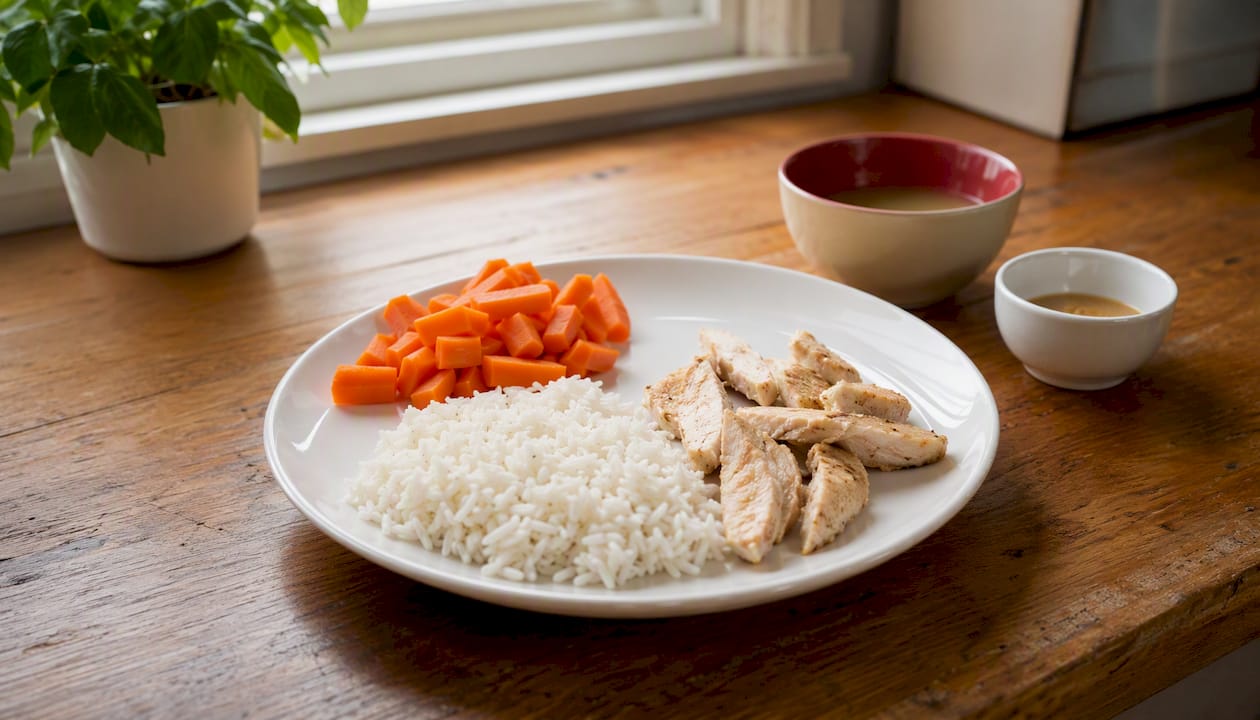
1. Baked chicken nuggets Prep: 5 min / Cook: 20 min Why it works: crispy coating, mild flavor, and a familiar shape kids trust. Swap: serve with honey mustard or ketchup on the side; swap to turkey nuggets for a leaner protein. Find tested variations in the chicken recipes collection.
2. Buttered pasta with optional hidden-veg sauce Prep and cook time varies depending on the recipe Why it works: soft texture, neutral flavor, zero visual surprises. Swap: blend half a cup of pureed butternut squash into jarred marinara and serve it on the side — most kids never notice.
3. Mini meatball muffins Prep: 10 min / Cook: 20 min Why it works: small portions feel less intimidating; grated zucchini or carrot disappears into the meat. Swap: use ground turkey instead of beef, or go half-and-half.
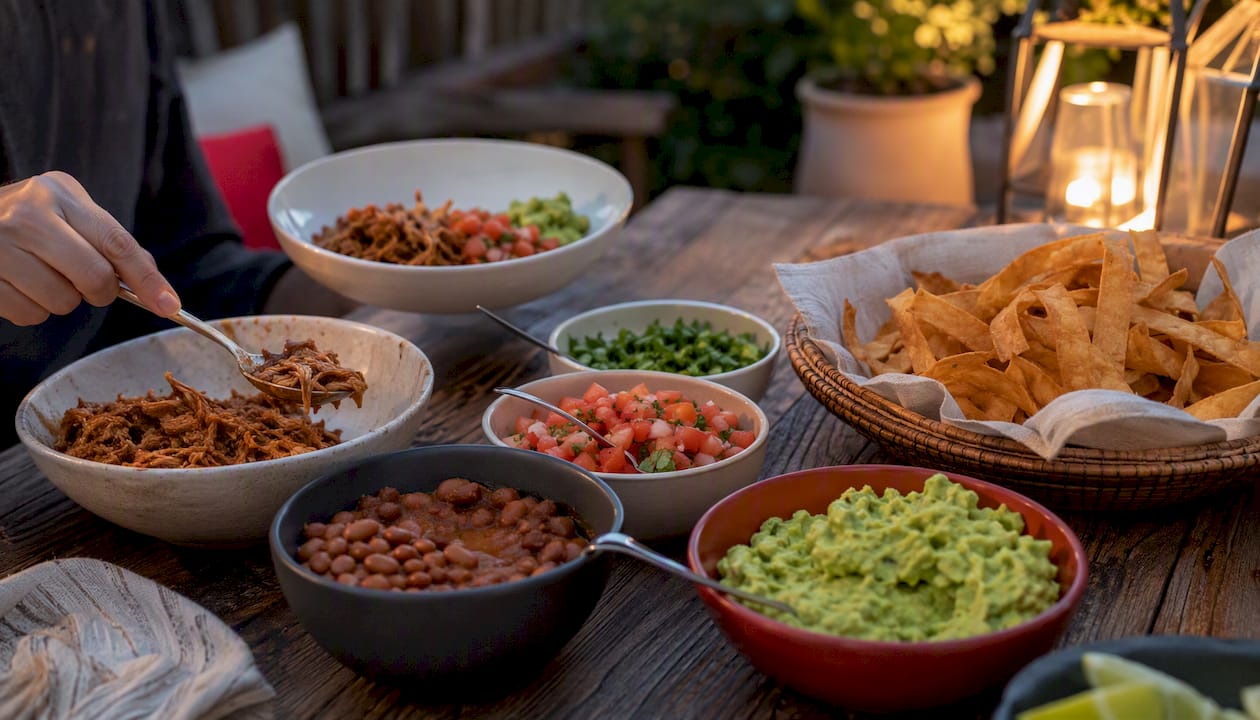
4. Build-your-own taco bowls Prep: 10 min / Cook: 15 min Why it works: every component is separate, so the eater controls what goes on their plate. Swap: swap seasoned beef for shredded slow-cooker chicken; add black beans as a quiet protein boost.
5. English muffin pizzas Prep and cook time varies depending on the recipe Why it works: familiar pizza flavor in a small, controllable format. Swap: use whole-wheat English muffins; let kids add their own toppings from small bowls. Browse the full pizza recipes collection for more variations.
6. Grilled cheese + tomato soup Prep and cook time varies depending on the recipe Why it works: two textures (crispy bread, smooth soup) that most picky eaters accept without hesitation. Swap: add a thin layer of avocado inside the sandwich for healthy fat — it disappears under the cheese.
7. Slow-cooker shredded chicken Prep and cook time varies depending on the recipe Why it works: tender, pull-apart texture with no chewy bits; works in tacos, rice bowls, or on its own. Swap: season with mild garlic powder and chicken broth only — skip spice blends for the most sensitive eaters.
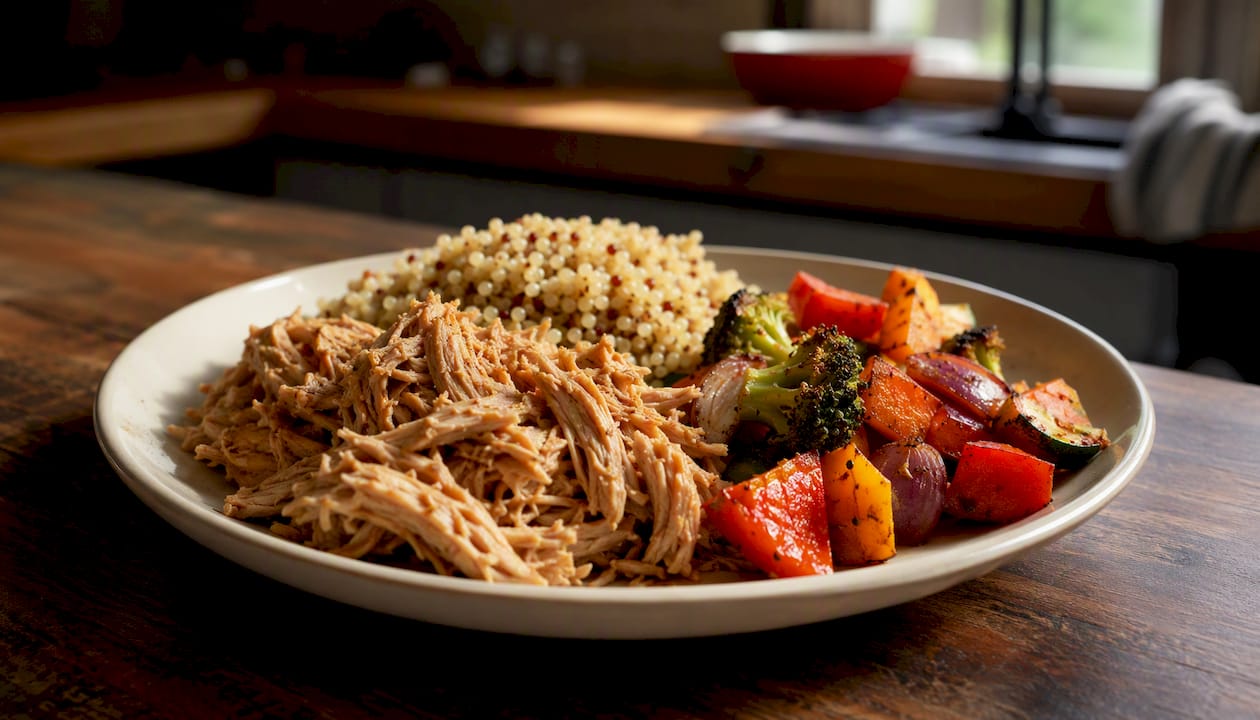
8. Sheet-pan chicken strips + potatoes Prep: 10 min / Cook: 25 min Why it works: one pan, predictable flavors, and the potatoes act as a safe fallback if the chicken gets rejected. Swap: swap white potatoes for sweet potato wedges to add beta-carotene without changing the texture much.
9. Breakfast-for-dinner egg sandwiches Prep and cook time varies depending on the recipe Why it works: breakfast foods feel low-stakes and familiar; eggs are a complete protein. Swap: add a thin slice of mild cheddar and one leaf of butter lettuce — soft enough that most kids accept it.
10. Quesadillas Prep: 3 min / Cook: 8 min Three-ingredient dinners like quesadillas can be ready in about 20 minutes and succeed because they are flexible and can be served deconstructed with sauce on the side. Swap: add a spoonful of refried beans inside for protein; serve salsa on the side, not inside.
11. Rice bowls with separated toppings Prep: 5 min / Cook: 20 min Why it works: white rice is a near-universal safe food; separated toppings give full visual control. Swap: try a hibachi-style setup with teriyaki chicken, edamame, and corn in separate sections — parents report this format reliably gets kids to eat.
12. Loaded baked potatoes Prep and cook time varies depending on the recipe Why it works: the potato is the safe base; toppings are fully optional and visible. Swap: offer shredded chicken, mild cheese, sour cream, and steamed broccoli in separate small bowls so the eater builds their own.
Recipe ideas organized by category
When you’re stuck deciding what to cook, browsing by category is faster than scrolling through a random list. Here’s a breakdown by format and time budget.
Pasta
- Buttered egg noodles — 10 min / easy; the simplest safe base
- Mac and cheese — 15 min / easy; use a five-cheese bake for a crowd-pleasing upgrade
- Pasta with marinara on the side — 15 min / easy; keeps sauce-averse kids happy
- Pasta primavera with grated veg — 25 min / easy; try the pasta primavera vegetable medley for a hidden-veg option
- Tortellini with butter and parmesan — 15 min / easy; cheese-filled pasta needs almost no dressing up
- Baked pasta casserole — 40 min / hands-off; great for batch cooking
Chicken and nuggets
- Baked chicken nuggets — 25 min / easy; kid-tested, freezer-ready
- Sheet-pan chicken strips — 35 min / easy; one pan, minimal cleanup
- Slow-cooker shredded chicken — 4–6 hours / hands-off; use in tacos, bowls, or sandwiches
- Chicken quesadillas — 15 min / easy; crispy outside, melty inside
- Mild teriyaki chicken — 20 min / easy; sweet glaze most picky eaters accept
Casseroles
- Chicken and rice casserole — 50 min / hands-off; one dish, soft texture throughout
- Mac and cheese casserole — 40 min / easy; add pureed butternut squash to the sauce
- Tater tot casserole — 45 min / easy; crispy top, familiar flavors
Sandwiches and sliders
- Grilled cheese — 10 min / easy; the gold standard
- Egg and cheese breakfast sandwich — 10 min / easy; works for dinner too
- Mini chicken sliders — 20 min / easy; small portions lower the intimidation factor
- PB&J roll-ups — 5 min / no-cook; packable and universally accepted
Bowls and rice
- Hibachi-style rice bowl — 20 min / easy; protein, rice, and veg in separate sections
- Loaded baked potato bar — 45 min / hands-off; toppings on the side
- Rice and beans — 20 min / easy; mild, filling, and budget-friendly
Tacos and quesadillas
- Build-your-own taco bar — 20 min / easy; full component control
- Cheese quesadillas — 10 min / easy; three ingredients, one pan
- Chicken quesadillas — 15 min / easy; add beans inside for a protein boost
Slow-cooker and air-fryer
- Slow-cooker shredded chicken — 5 min prep / 4–6 hours cook; batch-friendly
- Air-fryer chicken nuggets — 15 min / easy; crispier than oven-baked, no oil needed
- Air-fryer potato wedges — 20 min / easy; crispy outside, soft inside
- Slow-cooker chicken and rice — 10 min prep / 4 hours cook; dump-and-go
Snacks and sides
- Cheese and crackers plate — 5 min / no-cook; a reliable fallback
- Cucumber slices with hummus — 5 min / no-cook; mild dip, crunchy texture
- Corn on the cob — 10 min / easy; sweet, familiar, and finger-food friendly
- Steamed edamame with sea salt — 8 min / easy; fun to eat, high in protein
Why picky eaters prefer certain foods
Picky eating is rarely about stubbornness. Most selective eating in children comes down to sensory sensitivity, particularly to texture and flavor intensity. A child who refuses chicken breast but eats nuggets isn’t being difficult; the breaded coating changes the texture entirely, making it predictable and less threatening.
Sensory cues like texture and intensity are common drivers of selective eating; small presentation changes and offering a familiar food alongside a new one increases acceptance over time. That’s the core insight behind every tactic in this article.
A few patterns show up consistently in picky eaters:
- Texture aversion — soft, mushy foods or foods with mixed textures (casseroles where everything blends together) are often rejected
- Flavor overwhelm — strong spices, bitter vegetables, and acidic sauces trigger refusal faster than mild flavors
- Visual mixing — foods that touch each other on the plate can feel contaminated to a sensitive eater
- Unpredictability — a dish that looks different from last time (slightly browner chicken, a different pasta shape) can cause rejection even when the flavor is identical
Developmental stages matter too. Toddlers and early school-age children are biologically wired toward food neophobia, a preference for familiar foods, as a protective instinct. Most children naturally expand their palates between ages 8 and 12 when the pressure is low and exposure is consistent.
Pro Tip: Introduce a new food as a tiny “learning bite” placed beside a familiar safe food, not mixed in. One bite, no pressure to finish it, and no reaction if they skip it. Repeated low-stakes exposure over weeks is what actually moves the needle.
Ten practical tactics that make any meal more acceptable
Designing dinners around a predictable base plus separate toppings reduces sensory overwhelm and gives the eater control — and that’s just one of ten tactics worth keeping in your back pocket.
-
Deconstruct the plate — serve components separately instead of mixed. Example: taco bowl with rice, chicken, cheese, and corn in separate sections. Micro how-to: use a divided plate or small bowls.
-
Sauce on the side — never sauce the whole plate. Example: pasta with marinara in a dipping cup. Micro how-to: pour sauce into a ramekin before plating.
-
Build-your-own format — let the eater assemble their meal. Example: taco bar, pizza station, baked potato bar. Micro how-to: set out toppings in small bowls.
-
One safe food rule — always include one food you know they’ll eat. Example: plain rice alongside a new protein. Micro how-to: cook the safe food first so it’s always ready.
-
Tiny learning bites — one small piece of a new food beside the safe food, no pressure. Example: one broccoli floret next to buttered pasta. Micro how-to: call it a “tasting piece,” not dinner.
-
Swap textures — if soft is rejected, try crispy; if crispy is rejected, try smooth. Example: swap steamed broccoli for roasted broccoli. Micro how-to: roast at 425°F for 15 minutes.
-
Predictable bases — anchor every meal to a base the child already accepts. Example: white rice, buttered pasta, or plain tortilla. Micro how-to: keep cooked rice in the fridge all week.
-
Plate control — let the child choose how much of each component goes on their plate. Example: serve-yourself toppings at the table. Micro how-to: pass bowls family-style.
-
Positive mealtime language — describe food by texture and flavor, not by what it “is.” Example: “these are crunchy little bites” instead of “this is broccoli.” Micro how-to: stay neutral if they skip it.
-
Involve the child in assembly — kids eat what they helped make. Example: let them spread the sauce on English muffin pizzas. Micro how-to: give them a spoon and a small bowl of toppings.
Pro Tip: Push a stretch ingredient when the child is hungry and in a good mood, not when they’re tired or already upset. A calm, low-stakes moment, like a weekend lunch, is far more effective than a weeknight dinner when everyone’s depleted. If they refuse three times in a row, pause that food for two weeks and reintroduce it later.
Meal prep, lazy dinners, and school-lunch planning
Batch cooking one safe protein on Sunday changes the whole week. With shredded chicken or baked nuggets already in the fridge, you can build five different dinners in under 15 minutes each night.
A simple weekly framework for picky-eater families:
- Batch protein (Sunday): slow-cooker shredded chicken or baked nuggets (make double and freeze half)
- Base 1: white rice (cook a large pot; reheat portions all week)
- Base 2: pasta (cook fresh each night; takes 10 minutes)
- Base 3: tortillas (no cooking needed)
- Stretch item 1: roasted sweet potato wedges (batch-roast Sunday, reheat in air fryer)
- Stretch item 2: steamed edamame or corn (5 minutes from frozen)
Batch-cook and freeze favorites like hidden-veg meatballs and baked nuggets so a safe option is always available. That buffer is what prevents the “there’s nothing they’ll eat” panic on a Wednesday night.
Pantry shopping list for the week:
- Boneless chicken thighs or breasts
- Dried pasta (two shapes)
- White rice
- Flour tortillas
- Jarred marinara
- Shredded mozzarella and cheddar
- Frozen corn and edamame
- English muffins
- Canned black beans
- Sweet potatoes
Freezer meal tips:
- Freeze baked nuggets in a single layer, then transfer to a zip bag. Reheat in the air fryer at 375°F for 8 minutes to restore crispiness.
- Freeze shredded chicken in 1-cup portions. Thaw overnight in the fridge or in a bowl of warm water for 20 minutes.
- Freeze mini meatballs on a sheet pan before bagging. Reheat in a 350°F oven for 15 minutes or in the microwave with a damp paper towel over them.
Packable school-lunch ideas:
Make-ahead packable options like veggie lasagna cups, fish cakes, and cucumber sushi rolls work well for picky eaters at school because they’re finger-food sized and visually predictable.
- Quesadilla triangles + apple slices
- Mini meatballs + pasta + parmesan in a thermos
- PB&J roll-ups + cucumber coins
- Cheese quesadilla + mild salsa dip
- Rice and teriyaki chicken in a thermos
Healthy swaps that add nutrition without a fight
The goal isn’t to trick your child. It’s to quietly increase the nutritional density of foods they already accept, so the swap doesn’t register as a change.
- Swap half the pasta for chickpea pasta — same shape, slightly nuttier flavor, nearly double the protein per serving
- Grate carrot or zucchini into meatballs — fine-grated veg disappears into the texture; use a box grater and squeeze out moisture first
- Blend pureed butternut squash into jarred marinara — adds vitamin A and natural sweetness; use a 1:3 ratio of squash to sauce
- Add avocado mash as a sandwich spread — replaces mayo with healthy fat; mild flavor that most kids accept
- Blend white beans into mac and cheese sauce — adds protein and fiber; the sauce stays creamy and the flavor barely changes. Try the creamy garlic parmesan beans recipe as a starting point
- Use cauliflower rice as a partial rice swap — mix 25% cauliflower rice into white rice; the texture difference is minimal
- Add spinach to smoothies — parents report that “drinking” vegetables in smoothies is one of the most accepted tactics; a handful of baby spinach disappears behind banana and milk
- Swap white bread for whole-wheat in sandwiches — softer whole-wheat varieties are nearly indistinguishable in texture from white
- Add finely diced mushrooms to ground beef — mushrooms shrink and blend into the meat; adds umami and B vitamins
- Use Greek yogurt instead of sour cream — same creamy texture, more protein, slightly tangier flavor that most kids don’t notice
Small swaps compound over time. A child who eats chickpea pasta three nights a week is getting meaningfully more protein and fiber than one eating regular pasta, without any mealtime battle. For vegetarian protein swaps and plant-forward ideas, the Hearthlyrecipes vegetarian collection has tested options that work in these formats.
Safety note: Always check for allergens when swapping ingredients, particularly with chickpea pasta (legume allergy risk) and nut-based spreads, and cut foods into small pieces for children under 4 to reduce choking risk.
Pantry staples and tools that make picky-eater cooking easier
The right pantry setup means you can build an acceptable dinner in 15 minutes without a grocery run. These are the items worth keeping stocked.
Pantry staples:
- Dried pasta (spaghetti + a short shape like penne)
- White rice
- Flour tortillas (8-inch)
- Jarred marinara sauce
- Canned black beans and chickpeas
- Frozen corn, edamame, and peas
- Frozen chicken nuggets (backup for exhausted nights)
- English muffins (freeze a pack)
- Shredded mozzarella and cheddar
- Chicken broth (for slow-cooker meals)
Kitchen tools worth having:
- Air fryer — re-crisps frozen nuggets and leftover chicken strips in 8 minutes without any oil; the single most useful tool for picky-eater households
- Sheet pans (two) — for one-pan dinners and batch-roasting vegetables
- Muffin tin — for mini meatball muffins and egg cups; small portions feel less intimidating
- Box grater — for hiding vegetables in sauces and meatballs
- Blender or immersion blender — for pureeing veg into sauces
- Small prep bowls — for serving toppings separately at the table
Pro Tip: Use the air fryer to reheat anything that was crispy when first cooked. Nuggets, fries, and quesadilla triangles all come back to life in 6–8 minutes at 375°F. The microwave turns them soggy; the air fryer keeps them acceptable to texture-sensitive kids.
For more no-fuss, appliance-friendly dinner ideas, the practical meal solutions collection on Hearthlyrecipes is organized exactly for this kind of weeknight cooking.
What actually works at the dinner table
There’s a version of picky-eater advice that focuses entirely on hiding vegetables and tricking kids into eating. It works in the short term, and there’s nothing wrong with it as a tactic. But the families who make the most progress over time are the ones who also do the slower work: consistent exposure, low-pressure mealtimes, and letting kids have some control over their plate.
The meals that hold up week after week, the ones parents come back to, share a few traits. They have a familiar base. They keep components separate. They’re fast enough that a tired parent can actually make them. Hearthlyrecipes was built around exactly that kind of cooking: tested recipes that work in real kitchens, organized so you can find what you need without scrolling forever.
The Dinner Victories collection is where I’d point any parent who wants a curated set of family-tested wins. The recipes there are rated, tested, and built for the kind of weeknight where you have 30 minutes and a child who’s already declared they’re not hungry. They work.
Hearthlyrecipes has the full recipes, tested and ready
When you’ve got the tactic but need the actual recipe, Hearthlyrecipes is where the tested versions live. Every recipe in the collection comes with step-by-step instructions, user ratings, and category filters so you can sort by cooking method, time, or dietary preference without wading through a hundred options.
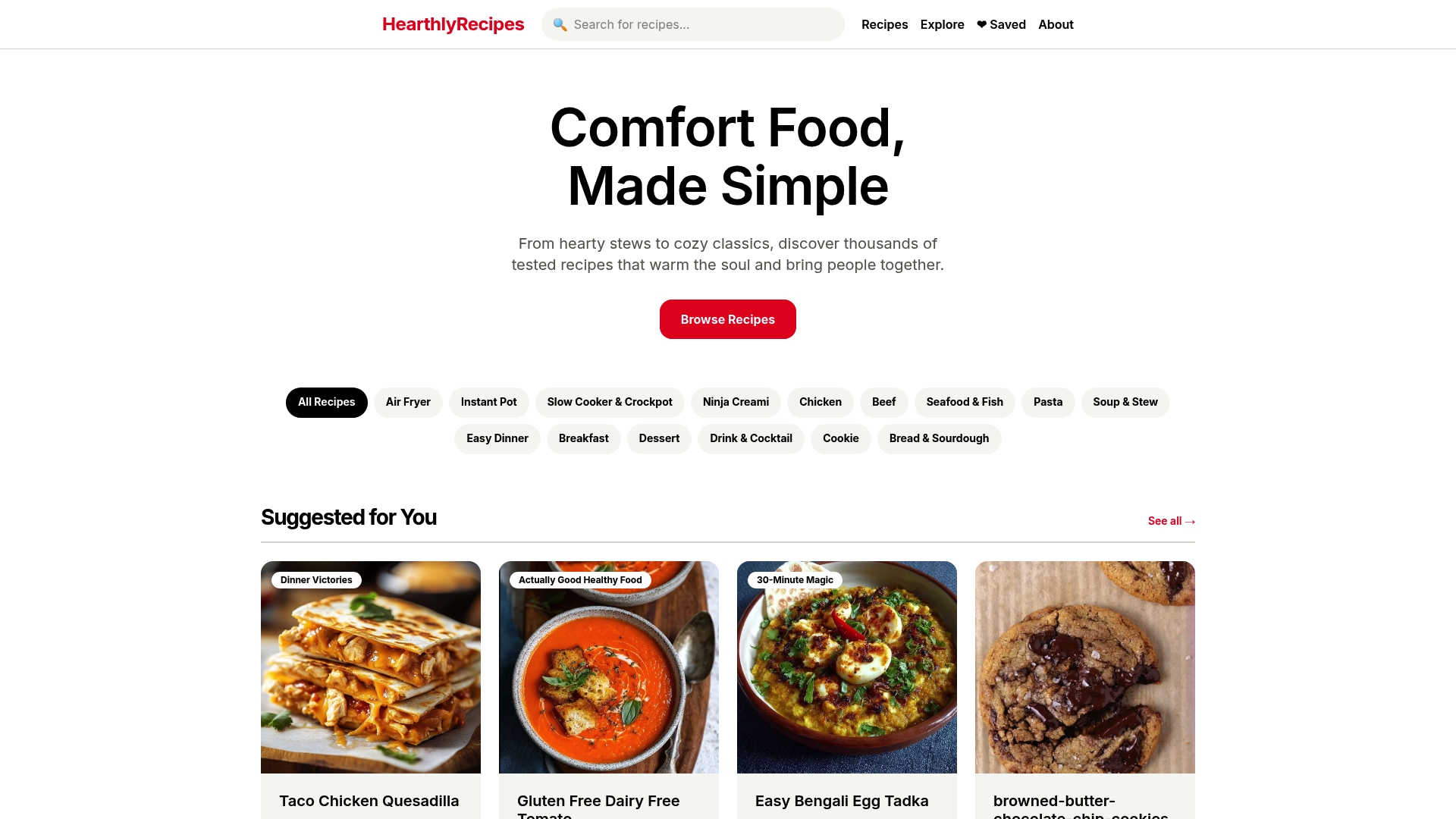
For picky-eater families specifically, the easy dinner recipes category and the all recipes page are the fastest starting points. Filter by air fryer or slow cooker to find the hands-off formats that work best for batch cooking. The pizza recipes collection covers English muffin pizzas and naan pizzas, both of which are consistently among the most accepted formats for selective eaters. Browse, pick two or three to rotate this week, and build from there.
Sources
- 76 Dinner Ideas for Picky Eaters: Easy Go-To Recipes – Instacart
- Dinner Recipes for Picky Eaters: Easy Crowd-Pleasing Mains - The Gourmet Host
- 3-Ingredient Dinners Kids Will Actually Eat (Picky Eater Friendly) - Mom to Mom Nutrition
- 29 Healthy Dinners Your Picky Eater Will Actually Finish - Penny Pinchin’ Mom
- 26 Easy Healthy Meal Prep Ideas for Picky Eaters - Kaidoo
- Parents Share Their Go-To Meals For Picky Eaters - BuzzFeed
FAQ
What are some good dinners for picky eaters?
Baked chicken nuggets, buttered pasta, quesadillas, grilled cheese, build-your-own taco bowls, and sheet-pan chicken strips are among the most reliable. Each uses a familiar base, mild flavors, and separated components that give selective eaters some control over their plate.
What is the best food for a picky eater?
There’s no single best food, but the most accepted meals share three traits: a predictable base (pasta, rice, or tortilla), mild seasoning, and components served separately rather than mixed. White rice and buttered pasta are near-universal starting points.
What’s a good lazy dinner for a picky-eater family?
Quesadillas or scrambled eggs with toast are ready in under 15 minutes and require almost no prep. If you have shredded chicken already batch-cooked in the fridge, rice bowls with separated toppings take about the same time and cover more nutritional ground.
What is the best meal prep for picky eaters?
Slow-cooker shredded chicken and baked nuggets are the two highest-return batch items: both freeze well, reheat quickly (nuggets go back in the air fryer at 375°F for 8 minutes), and work across multiple dinner formats throughout the week.