Easy Tuna Noodle Casserole: Pantry-Ready in 30 Minutes
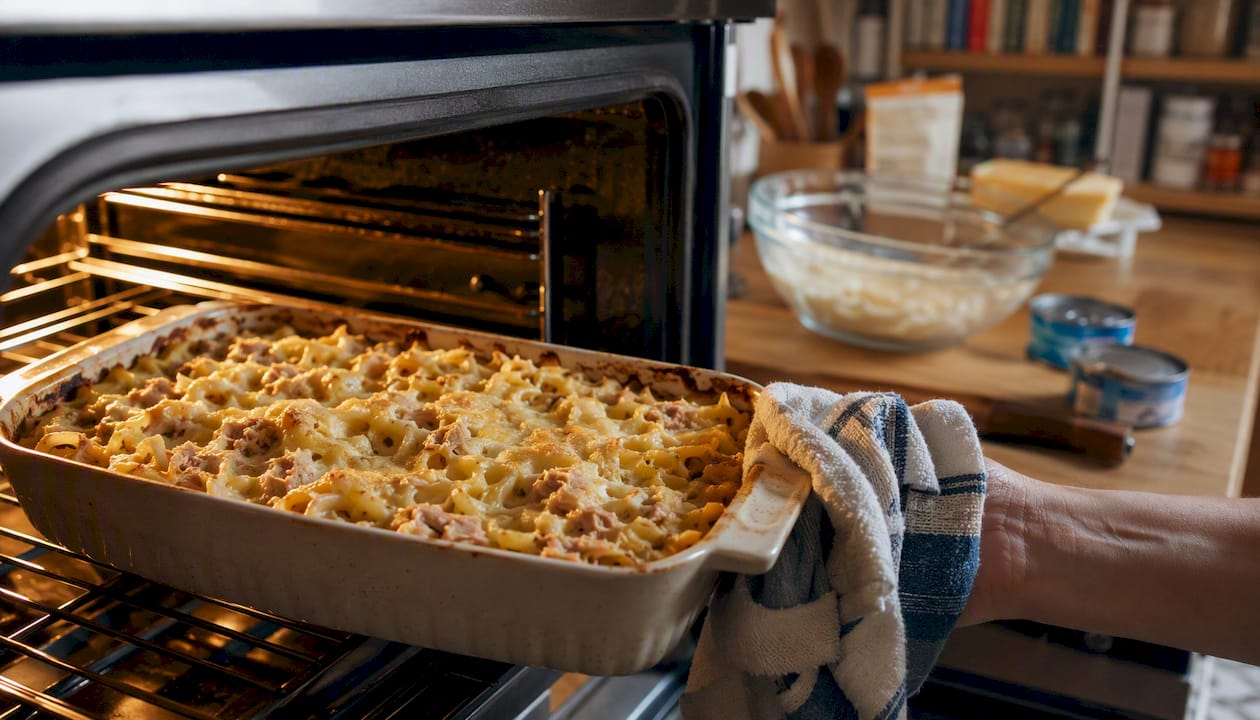
This classic tuna noodle casserole comes together quickly using pantry staples you likely already have, and it serves multiple people with almost no effort.
- Yield: 6 servings
- Prep time: 10 minutes
- Cook time: 20 minutes
- Total time: ~30 minutes
- Main ingredients: egg noodles, canned tuna, condensed cream of mushroom soup, frozen peas, shredded cheddar, crunchy topping
Key Takeaways
A classic tuna noodle casserole succeeds on three things: al dente pasta, a properly calibrated sauce, and a crunchy topping added at the right moment.
| Point | Details |
|---|---|
| Cook pasta al dente | Pull noodles 1–2 minutes early; they finish cooking in the oven and stay firm. |
| Reserve pasta water | Add it by the tablespoon to reach the right sauce consistency before baking. |
| Choose tuna in water | Oil-packed tuna makes the sauce greasy; water-packed keeps it balanced. |
| Add topping at the right time | In a hot oven, add the crunchy topping in the last 8–10 minutes to avoid burning. |
| Freeze without the topping | Skip crunchy toppings before freezing; add fresh ones just before reheating. |
Table of Contents
- The Classic Tuna Noodle Casserole Recipe
- Why each ingredient matters (and what you can swap)
- How to cook it step by step
- Easy variations and add-ins worth trying
- How to get the right texture every time
- Make-ahead, storage, and reheating
- Quick fixes when something goes wrong
- Nutrition snapshot and what to serve alongside
- How Hearthlyrecipes tested this recipe
- A note from the Hearthlyrecipes kitchen
- Sources
- FAQ
The Classic Tuna Noodle Casserole Recipe
Oven temperature: 375°F
Ingredients
- 8 oz wide egg noodles
- 2 cans (5 oz each) tuna in water, drained
- 1 can (10.5 oz) condensed cream of mushroom soup
- 1/2 cup milk
- 1/2 cup sour cream
- 1 cup frozen peas
- 1 cup shredded cheddar cheese, divided
- 1/2 tsp garlic powder
- Salt and black pepper to taste
- 1/2 cup breadcrumbs or crushed crackers (for topping)
- 1 tbsp butter, melted (for topping)
Instructions
- Preheat your oven to 375°F. Grease a 9x13-inch baking dish.
- Boil the egg noodles in salted water until just al dente, pulling them before fully cooked. Reserve some pasta water before draining.
- In a large bowl, whisk together the condensed soup, milk, sour cream, garlic powder, salt, and pepper. Stir in the reserved pasta water one tablespoon at a time until the sauce is pourable but not thin.
- Add the drained tuna, frozen peas, and 3/4 cup of the cheddar to the sauce. Fold in the cooked noodles and mix until everything is evenly coated.
- Transfer to the prepared baking dish and spread evenly. Scatter the remaining cheddar on top.
- Toss the breadcrumbs with melted butter and sprinkle over the cheese layer.
- Bake uncovered for 18–20 minutes, until the sauce is bubbling at the edges. If the topping needs more color, broil for 1–2 minutes.
Approximate nutrition per serving (estimate)
| Nutrient | Per Serving |
|---|---|
| Calories | Approximate calories |
| Protein | Approximate grams |
| Carbohydrates | Approximate grams |
| Fat | Approximate grams |
| Sodium | Approximate milligrams |
Figures are estimates based on standard ingredient amounts. Actual values vary with brands and substitutions.
Why each ingredient matters (and what you can swap)
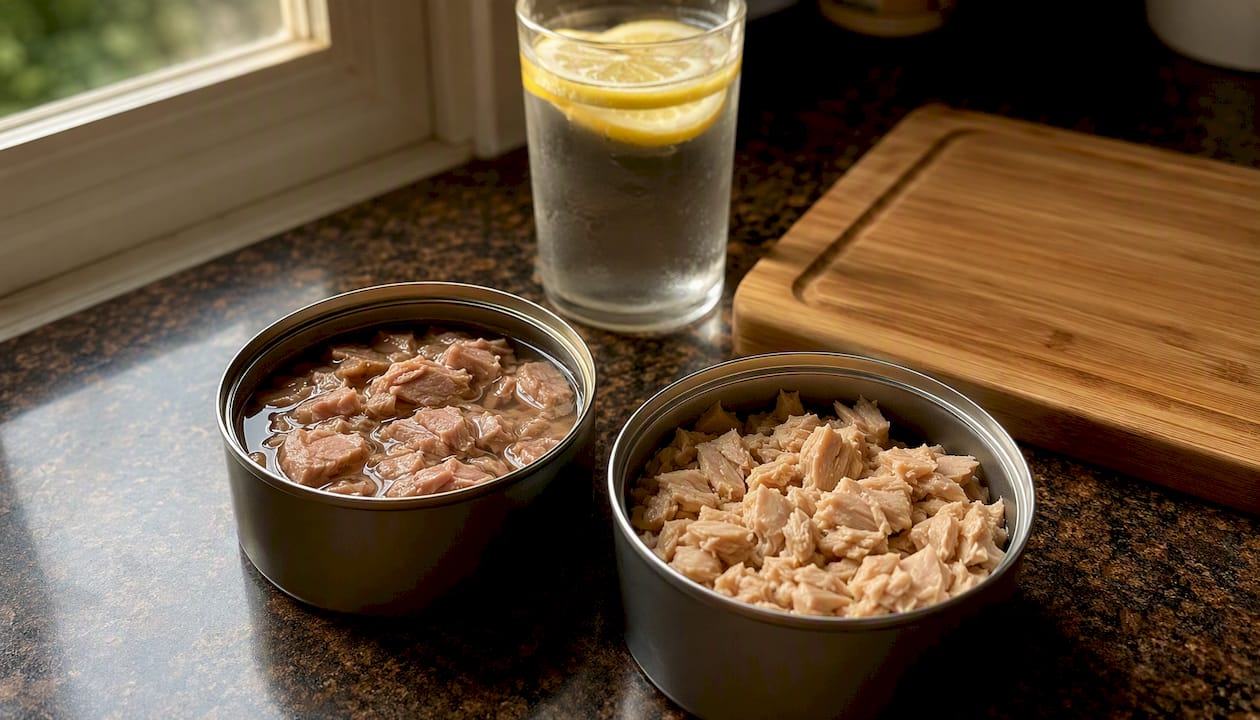
Tuna is the obvious star, but the type you choose matters more than most people realize. Tuna packed in water keeps the sauce from turning greasy, while oil-packed tuna adds richness that can tip the balance toward heavy. Solid white albacore holds its shape in chunks; chunk light tuna breaks down more and blends into the sauce. Both work, but the classic tuna casserole approach favors chunk light for its milder flavor and lower price point.
Condensed cream of mushroom soup is the traditional binder. It’s salty, thick, and does the heavy lifting in about five minutes flat. The trade-off is sodium: condensed soup cans contribute a significant amount before you add anything else. A quick homemade white sauce (butter, flour, milk, a pinch of nutmeg) gives you full control over salt and creaminess, and it freezes better than a condensed-soup base.
Wide egg noodles are the classic choice because their flat surface holds sauce well and their soft texture fits the comfort-food profile. Shells or rotini work too. Whatever shape you use, cook it to al dente only. The oven will finish the job, and pasta that goes in already soft comes out mushy.
Peas are the default vegetable, but Campbell’s tested version confirms you can swap in corn, pimientos, or broccoli without losing the dish’s character. Broccoli needs to be cut small and blanched briefly so it doesn’t stay raw in the center.
Pro Tip: Add a small squeeze of lemon juice to the sauce before baking. It cuts through the richness of the soup and brightens the whole dish without tasting citrusy.
How to cook it step by step
The single most important move is cooking the noodles separately and reserving some pasta water. Country Living’s tested method confirms that this approach produces a firmer texture and better sauce distribution than trying to cook pasta directly in the sauce during baking.
- Salt your pasta water generously. It should taste faintly of the sea. This is the only chance to season the noodles themselves.
- Cook noodles 1–2 minutes short of done. Pull them when they still have a slight bite. Drain and reserve 1/4 cup of the starchy cooking water.
- Make the sauce in the same pot. Whisk soup, milk, and sour cream together over low heat for 2 minutes. Add pasta water by the tablespoon until the sauce coats a spoon but flows easily.
- Fold in tuna, peas, and cheese. Stir gently so the tuna stays in small flakes rather than disappearing into paste.
- Combine with noodles and transfer. Mix thoroughly so every noodle gets coated. Spread into the baking dish in an even layer, not mounded in the center.
- Top and bake. Add cheese, then buttered breadcrumbs. Bake at 375°F for 18–20 minutes. The sauce should be visibly bubbling around the edges before you pull it.
- Broil if needed. If the topping looks pale after 20 minutes, 60–90 seconds under the broiler finishes it. Watch it closely.
If you’re short on time, Allrecipes’ quick version drops the peas into the boiling pasta water for the last minute of cooking, saving a bowl and a step. The texture of the peas is slightly softer, but the time savings are real.
Pro Tip: If your sauce looks too thick before baking, add pasta water one tablespoon at a time. If it looks too thin, don’t panic — it thickens as it bakes.
Easy variations and add-ins worth trying
The beauty of a creamy noodle bake is that it tolerates swaps without complaint. Here are the most reliable ones.
Vegetables: Corn kernels add sweetness and no extra moisture. Pimientos add mild tang. Broccoli florets (blanched, cut small) add color and nutrition but release water, so reduce the milk by 2 tablespoons when using them. Sliced mushrooms sauté down to almost nothing and add an earthy depth.
Protein: Two 5-oz cans is the baseline. Three cans makes it noticeably meatier. Cooked, shredded rotisserie chicken is a clean swap if you’re out of tuna; use about 2 cups. For a lighter dish, Serious Eats’ one-pot version cuts fat without sacrificing the creamy texture.
Toppings: Crushed Ritz crackers are the nostalgic choice. Panko breadcrumbs give a lighter, crispier crunch. Crushed potato chips add salt and crunch in one shot. Fried onions (the kind in the can) go on in the last 5 minutes so they stay crisp. Italian-seasoned breadcrumbs are easy to find at most grocery stores and add built-in seasoning.
Dietary swaps: Gluten-free pasta works well; just watch the cook time since it softens faster. For dairy-free, use unsweetened oat milk in place of regular milk and a dairy-free cream soup. Lower-sodium condensed soups (Campbell’s makes one) cut the sodium meaningfully without changing the method.
How to get the right texture every time
Three things consistently separate a great casserole from a gluey or dry one.
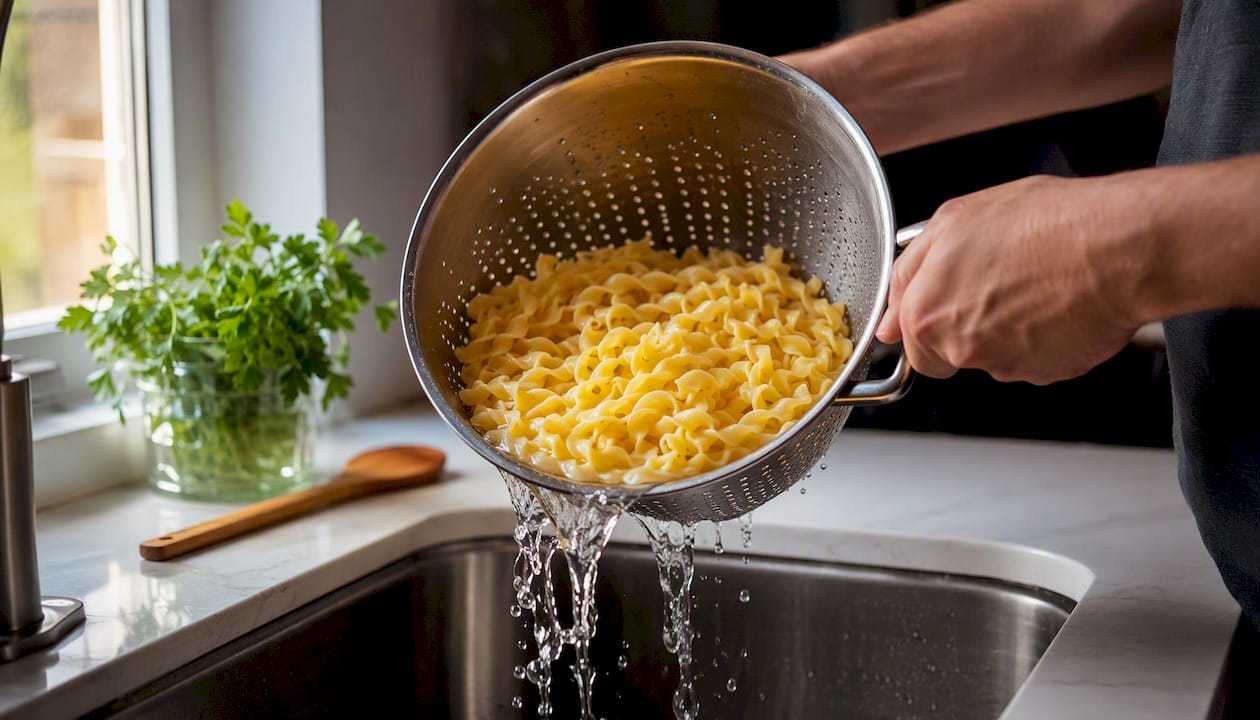
Cook the pasta to al dente only. This is the rule Campbell’s recipe emphasizes, and it’s the one most home cooks skip. Pasta that goes into the oven already soft absorbs the sauce during baking and turns to mush. Pull it early.
Reserve pasta water and use it to calibrate the sauce. The starch in that water helps the sauce cling to the noodles instead of pooling at the bottom of the dish. Add it in tablespoon increments, not all at once.
Mix everything evenly before it goes into the baking dish. Dense pockets of tuna or dry clumps of noodle happen when the mixing is rushed. Take an extra 30 seconds to fold the ingredients until the sauce coats every noodle.
Pro Tip: Add the crunchy topping in the last 8–10 minutes of baking rather than at the start if your oven runs hot. This prevents burning while still getting a golden, crisp crust.
Make-ahead, storage, and reheating
Making it ahead: Assemble the casserole up to 24 hours in advance, cover tightly, and refrigerate without the topping. Add the breadcrumbs or crackers right before baking. If baking straight from the fridge, add 5–8 minutes to the bake time.
Refrigerator storage:
- Store leftovers covered in the fridge for up to 3 days.
- Reheat individual portions in the microwave with a splash of milk, covered, for 2–3 minutes.
- Reheat the whole dish covered with foil at 350°F for 15–20 minutes.
Freezing:
- Skip the crunchy topping entirely before freezing. It turns soggy.
- Use a homemade white sauce base rather than condensed soup for a cleaner freeze-and-thaw.
- Freeze tightly wrapped for up to 2 months.
- Thaw overnight in the fridge, add a fresh topping, and bake at 375°F for 25–30 minutes.
Reheating from frozen: Bake covered at 350°F for 40–45 minutes, then uncover and add topping for the last 10 minutes.
Quick fixes when something goes wrong
Too dry: Stir a few tablespoons of warmed milk into the casserole, cover with foil, and bake for another 5 minutes. The foil traps steam and loosens the sauce without making it watery.
Too watery: Uncover the dish and bake for an additional 5–10 minutes to let excess moisture evaporate. Alternatively, transfer the filling to a saucepan, simmer briefly to reduce, then return it to the dish.
Bland: A squeeze of lemon juice or a splash of white wine vinegar does more than extra salt. Grated Parmesan stirred in just before serving also adds a sharp, savory punch.
Pro Tip: If the topping burns before the center is hot, cover loosely with foil for the remaining bake time, then uncover for the last 3 minutes. Scrape off any charred bits, add a thin layer of fresh breadcrumbs, and broil for 60 seconds.
Nutrition snapshot and what to serve alongside
The approximate per-serving figures appear in the recipe card above. A few things worth noting: the condensed soup and canned tuna are the two biggest sodium contributors. Swapping to a low-sodium soup and rinsing the tuna briefly under cold water before draining can reduce sodium by roughly 200–300 mg per serving without changing the texture.
Simple sides that work well:
- A crisp green salad with a sharp vinaigrette cuts through the richness.
- Roasted broccoli or green beans add color and a slight char that contrasts the creamy sauce.
- Pickled cucumbers or a quick cucumber-dill salad add brightness.
- Steamed asparagus with lemon is fast and pairs cleanly.
Garnish ideas: Fresh flat-leaf parsley, a pinch of lemon zest, or a light dusting of extra Parmesan all work well scattered over the top just before serving.
How Hearthlyrecipes tested this recipe
Every recipe on Hearthlyrecipes goes through repeat trials before it’s published. For this casserole, the key test was noodle timing: batches were made with pasta cooked to fully done versus pasta pulled 2 minutes early. The difference was clear.
Cooking the noodles separately and pulling them at al dente produced a noticeably firmer, more pleasant texture in the finished casserole. The sauce distributed more evenly, and the dish held together when scooped. Fully cooked noodles baked at 375°F for 20 minutes turned soft and absorbed most of the sauce, leaving the casserole dense and slightly gummy. The al dente method wins every time.
Trials used a 375°F oven, a 9x13-inch ceramic baking dish, and a 20-minute bake with a 90-second broil finish. You can replicate the comparison yourself with any standard recipe by simply adjusting the pasta cook time by 2 minutes.
A note from the Hearthlyrecipes kitchen
This tuna noodle casserole earns its place in weeknight rotation because it asks almost nothing of you and delivers every time. It’s the kind of recipe that works when the fridge is half-empty and dinner needs to happen in 30 minutes.
If you want more recipes in this spirit, the Practical Meal Solutions collection on Hearthlyrecipes is built around exactly that: tested, no-fuss dinners that don’t require a full pantry or a free afternoon. The casserole category has plenty of other options too, from a Poor Man Husband Casserole to a Broccoli Rice Cheese Chicken Casserole that follows the same pantry-first logic.
Sources
FAQ
What are the basic ingredients in tuna noodle casserole?
The core ingredients are egg noodles, canned tuna, condensed cream of mushroom soup, milk, frozen peas, and shredded cheddar cheese. Most recipes add a crunchy topping of breadcrumbs or crushed crackers.
What can I add to tuna noodle casserole to make it taste better?
A squeeze of lemon juice, a spoonful of sour cream, and extra shredded cheese stirred into the sauce before baking all improve flavor noticeably. Garlic powder and a pinch of black pepper also sharpen the taste without extra effort.
What type of canned tuna works best in this casserole?
Tuna packed in water is the better choice because it keeps the sauce from turning greasy. Both chunk light and solid white albacore work; chunk light blends into the sauce more, while albacore holds its texture in larger flakes.
Can you make tuna noodle casserole ahead of time?
Yes. Assemble the casserole without the topping, cover, and refrigerate for up to 24 hours. Add the breadcrumbs or crackers right before baking, and add 5–8 minutes to the bake time if going straight from the fridge.
Can you freeze tuna noodle casserole?
You can freeze it for up to 2 months, but skip the crunchy topping before freezing since it turns soggy. Thaw overnight in the fridge, add a fresh topping, and bake at 375°F for 25–30 minutes.