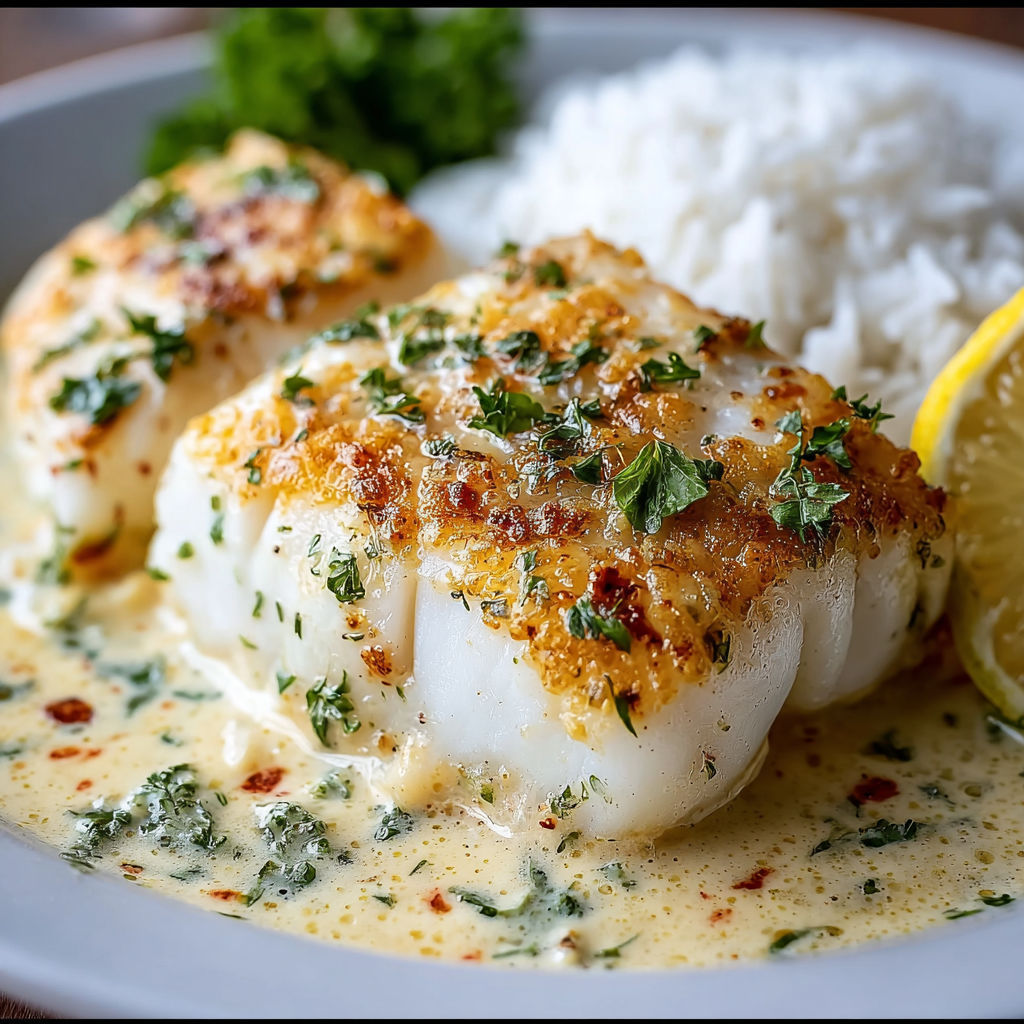
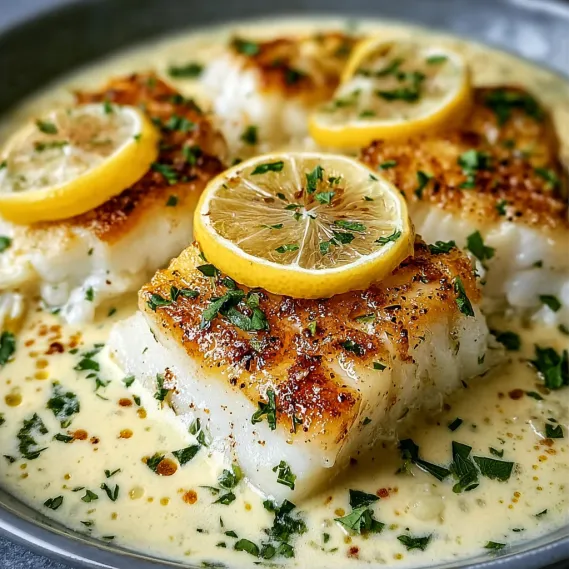
Baked Cod Coconut Lemon Cream
There's something magical about cod-its delicate flakes soaking up bold, creamy flavors that feel indulgent yet light. This Baked Cod in Coconut Lemon Cream is a weeknight hero: vibrant, aromatic, and ready in just 30 minutes, it transforms simple ingredients into a restaurant-worthy dish. Perfect for busy families craving a taste of the tropics or a romantic dinner that delivers on flavor without the fuss. The creamy coconut-lean sauce, brightened by lemon zest and Dijon mustard, cuts through the richness and makes every bite irresistible.
What Makes This Recipe Special
- The sauce is a luxurious blend of full-fat coconut milk and heavy cream, reduced just enough to coat the cod without overwhelming it, creating a velvety texture that clings to the fish.
- Fresh lemon zest and juice are added at two stages-once to the simmering sauce and again as a garnish-to layer brightness and aroma that evolves as you eat.
- The inclusion of Dijon mustard in the sauce introduces a subtle tang and depth, balancing the sweetness of the coconut and enhancing the overall flavor profile.
- Timing is everything: the cod bakes for just 12-15 minutes in the oven after the sauce is poured, ensuring it remains tender and flaky without drying out.
Ingredients
1.5 lbscod fillets (approximately 4 pieces)
1 tablespoonolive oil
Salt, to taste
Black pepper, to taste
1 tablespoonbutter
4 garliccloves, minced
1/2 teaspoonred pepper flakes (optional)
1 cupcanned coconut milk (full fat)
1/4 cupheavy cream
Juice of 1 lemon
Zest of 1 lemon
1 tablespoonDijon mustard
1 tablespoonchopped fresh parsley or cilantro
Lemon slices (for garnish)
Nutrition
320 caloriesCalories
Per serving · Values are estimates
Instructions
1
Preheat oven to 200°C (400°F). Pat cod fillets dry with a paper towel and season both sides with salt and black pepper.
2
In a skillet over medium heat, melt butter with olive oil. Add minced garlic and sauté for 1 minute until fragrant. Stir in red pepper flakes, coconut milk, heavy cream, lemon juice, lemon zest, and Dijon mustard.
3
Reduce heat to medium-low. Allow the sauce to simmer for 3 to 4 minutes, stirring occasionally, until slightly thickened.
4
Transfer the cod fillets to a baking dish. Pour the coconut lemon cream sauce over the fillets, ensuring they are fully coated. Bake in the preheated oven for 15 to 20 minutes, or until the fish is flaky and cooked through.
5
Sprinkle the baked cod with freshly chopped parsley or cilantro. Garnish with lemon slices and serve warm alongside rice or crusty bread.
Essential Tips
Don't skip patting dry
Use paper towels to thoroughly dry the cod fillets before seasoning. This prevents the sauce from sliding off and ensures a clean sear when baking, leading to better flavor absorption.
Simmer the sauce gently
After adding the coconut milk, heavy cream, lemon juice, and zest, keep the heat at medium-low. A vigorous simmer can cause the sauce to separate, while a gentle simmer develops flavor and achieves the right consistency.
Use full-fat coconut milk
Low-fat or light coconut milk doesn't emulsify as well and can result in a thinner, less luxurious sauce. Full-fat versions have the right fat content to create a creamy, cohesive sauce.
Check fish early
Start checking the cod at 12 minutes. It's fully cooked when it reaches an internal temperature of 50°C (125°F) and flakes easily with a fork. Overcooking turns it dry and rubbery.
Garnish at the end
Add fresh parsley or cilantro, and lemon slices just before serving. This keeps the herbs vibrant and the lemon aroma fresh, preventing sogginess or dulling of flavors.
Smart Swaps & Variations
Spicy Miso Twist
Swap the red pepper flakes for 1 teaspoon white miso paste and add 1 teaspoon grated ginger to the sauce for an umami-rich, slightly spicy variation.
Herb-Forward
Replace parsley or cilantro with fresh dill or tarragon, and add 1 tablespoon chopped chives for a French-inspired herbal note.
Dairy-Free
Use coconut cream instead of heavy cream and substitute olive oil for butter to keep the dish fully dairy-free while maintaining richness.
Citrus Swap
Try lime zest and juice in place of lemon for a more tropical flavor profile, and garnish with lime wedges for an extra pop of color.
What to Serve With This
- Steamed jasmine rice or basmati rice, to soak up the creamy coconut-lemon sauce.
- Garlic butter roasted baby potatoes or a simple green salad with a citrus vinaigrette.
- Crusty sourdough bread or naan, perfect for dipping into the leftover sauce.
- Chilled rosé or a crisp Sauvignon Blanc, which complements the dish's creamy acidity.
Storage & Reheating
Storage
Store leftovers in an airtight container in the refrigerator for up to 2 days. The cod and sauce will keep their integrity, though the texture may be slightly softer than when freshly made.
Reheating
Gently reheat in a skillet over low heat with a splash of water or coconut milk to revive the sauce's creaminess. Avoid microwaving, as it can make the fish rubbery and the sauce separate.
Expert Chef Tips
- To ensure even cooking, choose cod fillets of uniform thickness. If needed, fold thinner edges under slightly before baking to prevent overcooking.
- For a deeper coconut flavor, toast 1/4 cup of unsweetened shredded coconut in the skillet with the butter and garlic until golden before adding the coconut milk.
- Use a stainless steel baking dish instead of glass for better heat conduction, which helps the sauce caramelize slightly at the edges for added depth.
Equipment You’ll Need
- Large oven-safe skillet or sauté pan (for making the sauce)
- Baking dish (preferably stainless steel or ceramic, 9x13 inches)
- Instant-read thermometer (to check cod doneness)
- Lemon zester and microplane (for fine zest)
Nutritional Benefits
- High in protein from cod, providing about 30g per serving, ideal for muscle repair and satiety.
- Contains heart-healthy fats from coconut milk and olive oil, which support nutrient absorption and cardiovascular health.
- Rich in vitamin C from lemon zest and juice, boosting immune function and collagen production.
- Low in carbohydrates, making it suitable for low-carb or ketogenic meal plans when served with non-starchy sides.
Reviews
No written reviews yet — be the first to cook this and share how it turned out!
Leave a Review
Frequently Asked Questions
Can I use frozen cod fillets?
Yes, but thaw them completely in the refrigerator overnight first. Pat them very dry before seasoning to avoid excess moisture in the sauce. Frozen cod works well if it hasn't been previously frozen and thawed multiple times, as this can affect texture.
What's the best substitute for coconut milk?
Heavy cream or full-fat Greek yogurt thinned with a bit of milk can work, but the flavor and richness will be different. For a dairy-free option, use coconut cream for a thicker, more authentic result.
The sauce split when I reheated it. How can I fix it?
Split sauces often just need a little emulsification. Whisk in 1 teaspoon of Dijon mustard or a splash of warm water or coconut milk while heating gently. Avoid boiling to prevent further separation.
Can I make this ahead of time?
You can prepare the sauce up to a day in advance and store it in the fridge. Bring it to a gentle simmer before adding the cod, as cold sauce can shock the fish and affect texture. Assemble and bake just before serving.
How do I know when the cod is done?
The cod is done when it reaches an internal temperature of 50°C (125°F) and flakes easily with a fork. It will continue to cook a few degrees as it rests, so pull it out just as it reaches this point to avoid overcooking.
Can I use skin-on cod fillets?
Yes, but score the skin lightly in a crosshatch pattern before baking to help the sauce penetrate and prevent curling. Skin-on fillets may take 1-2 minutes longer to cook through.
What's the best way to portion the cod?
For even cooking, aim for fillets that are about 1 to 1.5 inches thick. If using thinner fillets, reduce the baking time to 10-12 minutes and check frequently to avoid drying out.
Can I use this recipe with other fish?
This recipe works beautifully with halibut, haddock, or sea bass, as they have similar textures. Adjust cooking time based on thickness-thinner fillets like tilapia may only need 8-10 minutes.
More Dinner Victories

🔒 From the Vault — 43,000+ premium recipes
Cook This Next