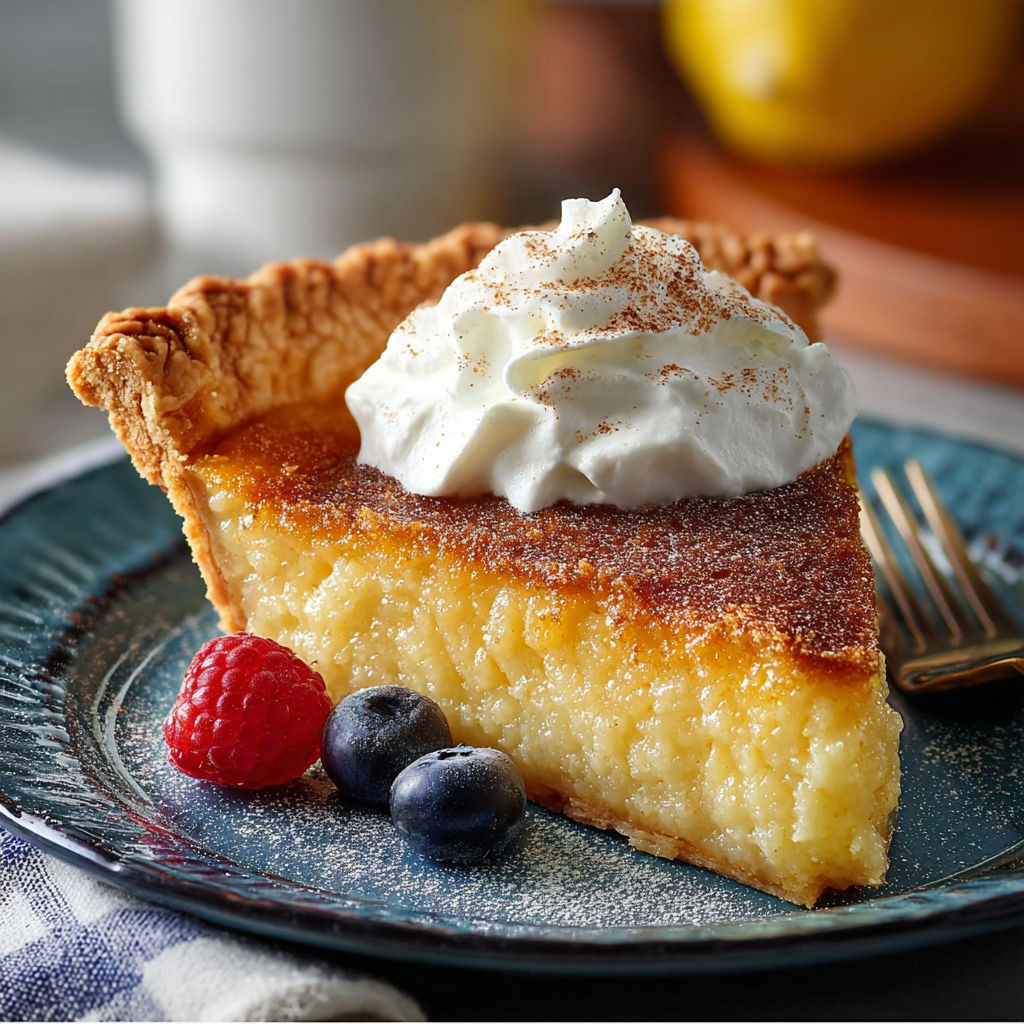
Buttermilk Pie Old Fashioned
There's something magical about a buttermilk pie that takes you straight to a sunlit Southern porch with a slice in hand. This old-fashioned treasure delivers a creamy, tangy custard with just the right hint of lemony brightness all nestled in a flaky homemade crust. Perfect for spring potlucks, Easter brunches, or any time you crave a slice of nostalgic comfort. Home cooks love it for its forgiving nature and the way it feels like a warm hug from Grandma's kitchen.
What Makes This Recipe Special
- The pie's signature custard gets its silky texture from a clever balance of buttermilk and buttery dough, creating a filling that's rich yet refreshingly light.
- A touch of lemon juice in both the crust and the filling brightens the sweetness without overpowering the classic buttermilk flavor.
- The crust is a shortcut in disguise: using cold milk and shortening ensures it's tender and flaky, even if you're not a pastry pro.
- This recipe includes a secret step-creaming the butter and sugar until *light and fluffy*-which makes the difference between a good pie and a *great* pie.
Ingredients
1 1/2 cupsall-purpose flour
1 teaspoonsalt
1/2 cupvegetable shortening
1/4 cupcold 2% milk
1 largeegg, lightly beaten
1/2 cupunsalted butter, softened
2 cupsgranulated sugar
3 tablespoonsall-purpose flour
3 largeeggs
1 cupbuttermilk
1 teaspoonvanilla extract
1 teaspoonground cinnamon
1/4 cuplemon juice
Nutrition
569 caloriesCalories
Per serving · Values are estimates
Instructions
1
Preheat oven to 350°F (177°C). In a large mixing bowl, combine flour and salt. Cut in the shortening until the mixture resembles coarse crumbs with small pea-sized pieces. Stir in cold milk and lightly beaten egg until a dough forms. Shape dough, roll out on a lightly floured surface, and fit into a standard 9-inch pie dish.
2
Using a hand mixer or stand mixer, cream together softened butter and granulated sugar until the texture is light and fluffy. Beat in flour until incorporated. Add eggs, one at a time, mixing thoroughly after each. Blend in the buttermilk, vanilla extract, ground cinnamon, and lemon juice until fully combined.
3
Pour filling evenly into the prepared unbaked crust. Place the pie in the center of the preheated oven. Bake for 45 to 50 minutes, or until the center is set and a gentle jiggle remains. Allow the pie to cool completely on a wire rack at room temperature.
4
Once cooled, slice and serve at room temperature or chilled. For added garnish, top individual slices with whipped cream and fresh berries if desired.
Essential Tips
Chill the dough
After mixing the crust dough, wrap it in plastic and refrigerate for 30 minutes before rolling. This relaxes the gluten, preventing shrinking and ensuring a tender, shatteringly flaky crust that holds up to the wet filling.
Pre-bake the crust
Weigh down the crust with pie weights or dried beans and blind-bake for 10 minutes before adding the filling. This prevents a soggy bottom and gives the base a crisp, sturdy structure that contrasts beautifully with the creamy top.
Room temp ingredients
Let the eggs and butter sit at room temperature for 30 minutes before using. Cold ingredients create dense, uneven custard; room temperature ensures a velvety, homogenous filling that bakes evenly.
Even baking
Rotate the pie halfway through baking (around the 25-minute mark) to prevent hot spots from the oven. This guarantees a golden, evenly baked top without any dark edges.
Test doneness
The pie is done when the center jiggles *slightly* like Jell-O but sets fully as it cools. Overbaking causes cracks, while underbaking results in a runny center-precision is key here.
Smart Swaps & Variations
Lemon Zest Twist
Add 1 tablespoon of finely grated lemon zest to the filling for an intensified citrus aroma that pairs perfectly with the buttermilk tang.
Nutty Crunch
Sprinkle 1/2 cup of toasted pecans or walnuts into the crust before adding the filling for a delightful textural contrast.
Low-Sugar Option
Swap the granulated sugar for 1 1/4 cups of coconut sugar or monk fruit sweetener to reduce the glycemic impact while keeping the pie rich and caramel-like.
Coconut Dream
Replace 1/2 cup of the buttermilk with full-fat coconut milk for a tropical twist that complements the pie's tangy notes beautifully.
What to Serve With This
- A dollop of lightly sweetened whipped cream and fresh strawberries for a springtime presentation.
- A scoop of vanilla bean ice cream and a drizzle of honey for a decadent dessert experience.
- A cup of hot Earl Grey tea or cold sweet tea to balance the pie's richness.
- Packed in a picnic basket for outdoor gatherings, where the pie's nostalgic charm feels right at home.
Storage & Reheating
Storage
Store the pie, covered with plastic wrap or in an airtight container, at room temperature for up to 3 days. For longer storage, refrigerate for up to 1 week.
Reheating
To serve warm, reheat individual slices in the microwave for 20-30 seconds, covering loosely with a damp paper towel to prevent drying. Avoid oven reheating, as it can over-brown the crust.
Expert Chef Tips
- Use a small offset spatula to smooth the filling after pouring-this ensures even baking and a professional-looking finish without overmixing the custard.
- For a deeply golden crust, brush the unbaked edges with a mixture of 1 egg yolk and 1 tablespoon of milk before baking. This adds shine and prevents burning.
- If the pie cracks slightly during cooling, don't fret! A sprinkle of powdered sugar or a drizzle of caramel glaze will hide the imperfections and add extra flavor.
Equipment You’ll Need
- 9-inch pie dish (preferably glass or ceramic for even heat distribution)
- Pie weights or dried beans (for blind-baking the crust)
- Hand mixer or stand mixer (for creaming butter and sugar)
- Instant-read thermometer (to check custard doneness)
Nutritional Benefits
- Buttermilk provides calcium and probiotics, while the pie crust offers minimal fiber-pair with fresh fruit to balance the meal.
- One slice (1/8 of the pie) contains approximately 570 calories, 25g of fat (mostly from butter), and 8g of protein.
- The lemon juice adds a small amount of vitamin C and antioxidants, enhancing the pie's nutritional profile without significant sugar impact.
- Using coconut sugar in the low-sugar variation reduces the glycemic index compared to granulated sugar, making it a slightly better option for blood sugar management.
Reviews
No written reviews yet — be the first to cook this and share how it turned out!
Leave a Review
Frequently Asked Questions
Can I use store-bought pie crust to save time?
Absolutely! Use a high-quality frozen or refrigerated pie crust, but still blind-bake it to prevent sogginess. Skip the homemade crust's chilling step, as pre-made dough is already tempered. This is a great shortcut for busy cooks without sacrificing texture.
How do I prevent a soggy bottom crust?
The key is blind-baking the crust for 10 minutes with weights. Weighing it down prevents air bubbles and shrinkage, while the pre-bake ensures it's fully set before the filling is added. This step is non-negotiable for a crisp, sturdy base.
Can I make this pie ahead of time?
Yes! Bake the pie completely, let it cool, and store it covered at room temperature for up to 3 days. For best results, refrigerate overnight to let the flavors meld, then serve at room temperature. Avoid freezing, as it can alter the texture of the custard.
What's the best way to tell when the custard is fully set?
Gently shake the pie-when the center jiggles like Jell-O but sets fully as it cools, it's done. Overbaking causes cracks, while underbaking results in a runny, unappetizing center. Use an instant-read thermometer for precision: it should read 170-175°F (77-80°C).
Can I substitute another liquid for the buttermilk?
Buttermilk's tang is irreplaceable, but you can use 1 cup of plain yogurt thinned with 1/2 cup of milk or 1 cup of sour milk (milk soured with 1 tablespoon of lemon juice or vinegar). Avoid substituting regular milk, as it lacks the acidity needed for the custard's structure.
Why does my pie sometimes have a crack on top?
Cracks occur when the custard overbakes or cools too quickly. To prevent this, remove the pie from the oven when the center is still slightly jiggly, and let it cool gradually on a wire rack. A sprinkle of powdered sugar or a drizzle of caramel glaze can disguise any cracks.
Is buttermilk pie gluten-free friendly?
Not in its traditional form, but you can adapt it! Use a gluten-free all-purpose flour blend for the crust (like King Arthur or Bob's Red Mill) and ensure all ingredients, including vanilla extract, are certified gluten-free. The texture will be slightly more tender but still delicious.
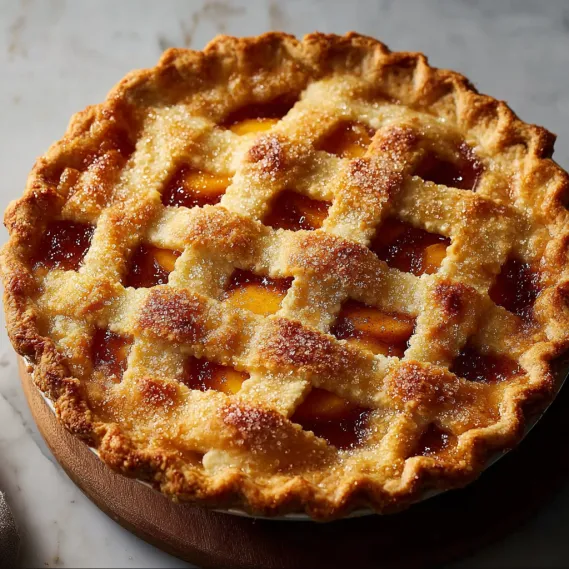
Can I add a lattice crust for decoration?
Yes! For a lattice top, roll out half the dough and cut it into 1-inch strips. Weave the strips over the filling, trim excess, and crimp the edges. Brush with egg wash for a golden finish. Keep in mind that a lattice crust may require an additional 5-10 minutes of baking time.
More Sweet Comfort

🔒 From the Vault — 43,000+ premium recipes

Cook This Next