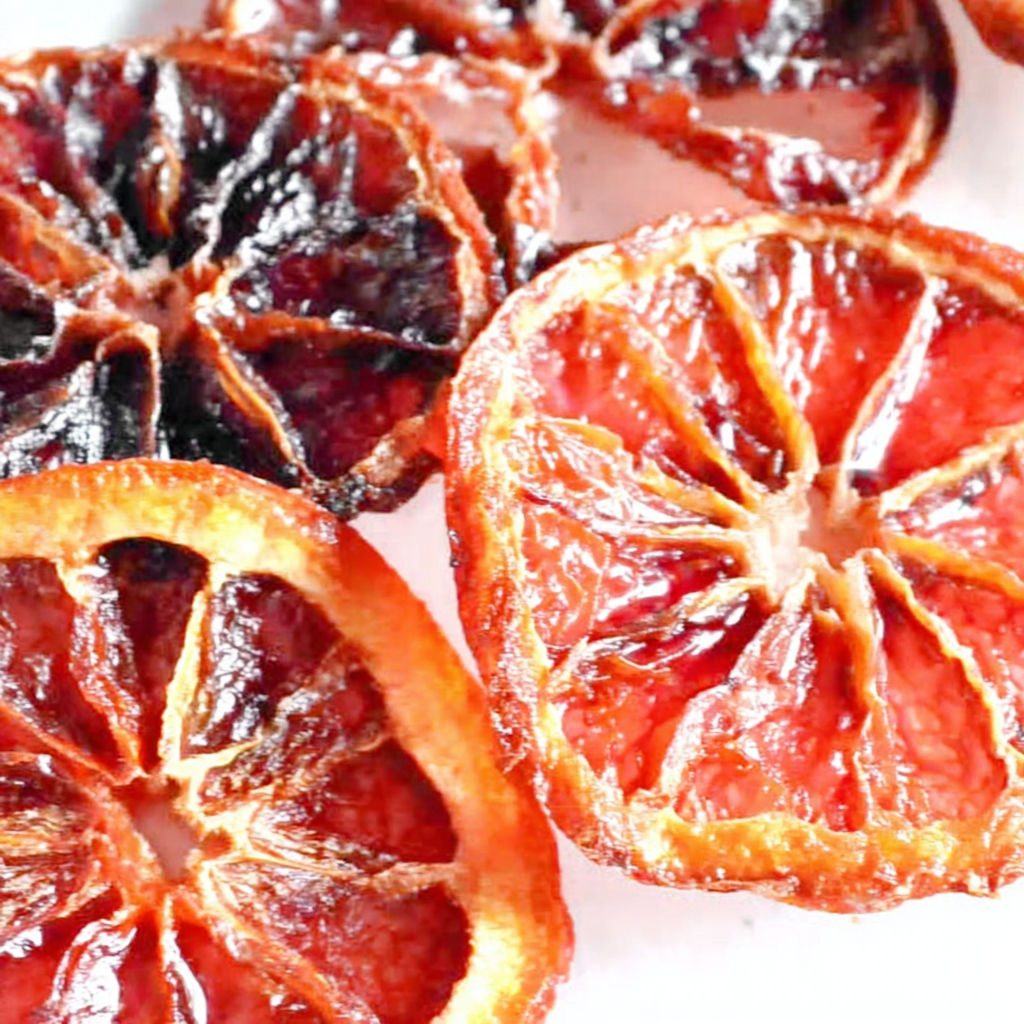
Candied Citrus With Three Ingredients
There's something magical about candied citrus-those jewel-toned slices glistening with sugar, ready to elevate any dessert or add a sweet-tart spark to your snacking routine. Home cooks adore this recipe for its simplicity and versatility; it's perfect for gifting, garnishing cakes, or simply enjoying as a luxurious treat with tea or coffee. The alchemy of sugar and citrus creates a balance that's irresistibly bright and rich, making it a go-to for both special occasions and cozy afternoons alike.
What Makes This Recipe Special
- The three-ingredient simplicity hides a transformative process: the long, gentle simmer in sugar syrup plumps and tenderizes the citrus rind, while the final sugar dredge creates a delicate, glass-like candy coating that clings to every curve.
- Unlike quick candied citrus recipes, this method involves a 30-minute simmer in a sugar syrup, which infuses the fruit with deep flavor and ensures the rind is perfectly tender-not chewy, not mushy.
- The drying time of 12-24 hours is critical for achieving the signature snappy sugar shell, which shatters delicately with each bite, revealing juicy citrus beneath.
- This recipe works beautifully with *all* citrus varieties-from tart limes to sweet blood oranges-allowing you to customize the flavor profile to your dessert or mood.
Ingredients
2 cupswater
3 cupsgranulated sugar, divided use
3 mediumcitrus fruits, such as oranges, lemons, limes, or blood oranges
Nutrition
330 caloriesCalories
Per serving · Values are estimates
Instructions
1
Wash citrus fruits thoroughly. Slice a small amount off both stem and blossom ends. Using a sharp or serrated knife, cut the fruits into 1/5-inch thick slices. Remove and discard any large seeds.
2
In a wide, heavy-bottomed pan, combine 2 cups sugar and 2 cups water. Bring to a boil over high heat. Add citrus slices in a single layer, ensuring the edges touch but do not overlap.
3
Reduce heat to medium-low to maintain a gentle simmer. Cook citrus slices for approximately 30 minutes, turning each slice halfway through until fruit is translucent and tender.
4
Lightly spray a wire rack with nonstick cooking spray and set over a baking sheet. Remove citrus slices from pan using a slotted spoon. Arrange in a single layer on the rack to drain for about 15 minutes. Repeat if necessary for additional slices.
5
Spread remaining 1 cup sugar in a shallow bowl. Dredge each citrus slice in sugar to coat completely. Transfer slices back to the wire rack.
6
Allow coated slices to dry fully at room temperature for 12 to 24 hours, flipping them once for even drying. Store candied citrus in an airtight container in a cool, dry place for up to one month.
Essential Tips
Slice evenly
Use a mandoline or sharp serrated knife to cut citrus slices uniformly at 1/5-inch thickness. Even slices cook and dry at the same rate, preventing some from burning or remaining undercooked.
Heavy pan matters
A wide, heavy-bottomed saucepan (like enameled cast iron) prevents hot spots and ensures the sugar syrup simmers gently, which is key to tender citrus rind without scorching.
Single-layer simmer
Arrange citrus slices in a single layer in the simmering syrup to allow even heat circulation. Overcrowding lowers the syrup's temperature and leads to uneven cooking.
Dry thoroughly
Skip the drying step at your peril! Fully dried slices develop a crisp, snappy sugar shell. If humidity is high, place them in front of a fan on low for faster drying.
Sugar dredge trick
Use superfine sugar for a smoother coating, or pulse granulated sugar in a food processor until finer. Coat slices while still slightly tacky from the syrup for better adhesion.
Smart Swaps & Variations
Spiced Citrus
Add 1 cinnamon stick, 2 star anise pods, or a strip of orange peel to the simmering syrup for aromatic depth. Remove before drying.
Honey Glaze
Replace the final sugar dredge with a mix of 1/2 cup honey and 1/4 cup superfine sugar for a glossier, floral finish.
Chocolate-Dipped
Melt 4 oz dark or white chocolate and dip half of each dried slice for an elegant dessert garnish or giftable treat.
Lemon-Lime Twist
Combine equal parts lemon and lime slices for a vibrant, tangy flavor profile perfect for cocktails or cheesecake garnishes.
What to Serve With This
- Sprinkled over vanilla ice cream or panna cotta for a sophisticated dessert.
- As a garnish for holiday cookies, cakes, or cheese boards alongside aged cheddar or brie.
- Tossed into salads (think bitter greens or arugula) for a sweet-acidic burst.
- Paired with sparkling wine or a dry riesling for a refreshing, palate-cleansing snack.
Storage & Reheating
Storage
Store candied citrus in an airtight container at room temperature for up to 2 weeks. The sugar coating acts as a preservative, keeping the fruit fresh and vibrant.
Reheating
To revive slightly softened slices, warm them in a 300°F (150°C) oven for 5-7 minutes. This restores the snappy texture and intensifies the citrus aroma.
Expert Chef Tips
- For ultra-thin rind, blanch citrus slices in boiling water for 1 minute before simmering to soften the outer layer. This reduces bitterness and ensures tenderness.
- Use the leftover sugar syrup to poach more citrus or as a cocktail syrup for margaritas or gin fizzes-it's packed with citrusy flavor.
- If your citrus has thick pith, score the rind lightly with a knife before slicing to help the syrup penetrate deeper and speed up cooking.
Equipment You’ll Need
- Wide, heavy-bottomed saucepan (3-4 quart capacity)
- Sharp serrated knife or mandoline
- Slotted spoon
- Wire cooling rack
- Shallow dish or plate for sugar dredging
Nutritional Benefits
- High in vitamin C: One slice provides ~20% of the daily recommended intake, thanks to the citrus's natural juices retained during candying.
- Natural sugars: The granulated sugar coating adds ~330 calories per serving, but the fiber-rich rind slows glucose absorption compared to refined sweets.
- Low fat: This recipe contains virtually no fat, making it a lighter alternative to chocolate-covered candies or marzipan.
- Antioxidant-rich: Citrus peels contain flavonoids like naringenin, which have anti-inflammatory properties (though candying may reduce some potency).
Reviews
No written reviews yet — be the first to cook this and share how it turned out!
Leave a Review
Frequently Asked Questions
Can I use Meyer lemons instead of regular lemons?
Absolutely! Meyer lemons have a thinner rind and sweeter flavor, so reduce the simmering time to 20-25 minutes to prevent overcooking. Their floral notes add a lovely depth to the candy.
Why did my citrus slices turn mushy?
Overcrowding the pan or simmering too aggressively causes the rind to break down. Keep slices in a single layer and maintain a gentle simmer. Also, ensure slices are fully dried before storage to prevent sogginess.
Can I make this ahead for a party?
Yes! Candied citrus keeps beautifully for up to 2 weeks at room temperature. Prepare slices 3-4 days ahead to let flavors meld, then arrange them on a platter just before serving.
Is there a substitute for granulated sugar?
You can use turbinado or raw sugar, but the coating may be coarser. For a smoother finish, pulse the sugar in a food processor or use superfine sugar. Avoid brown sugar-it adds moisture and can make slices sticky.
What's the best way to slice citrus for even cooking?
Use a sharp serrated knife and cut slices 1/5-inch thick. A mandoline ensures uniformity, but if free-handing, rotate the fruit as you slice to maintain consistent thickness.
Can I freeze candied citrus?
Freezing isn't recommended-the sugar coating can become gummy, and the texture suffers. For long-term storage, keep slices in an airtight container at room temperature or in the fridge for up to 1 month (though they're best fresh).
How do I know when the syrup is ready for simmering?
The syrup is ready when it reaches a gentle boil and the sugar is fully dissolved. If you see sugar crystals on the sides of the pan, stir gently to dissolve them before adding citrus.
Can I use this recipe for grapefruit?
Yes, but grapefruit rind is thick and bitter. Peel off the outer pith after slicing, then blanch slices in boiling water for 1 minute before simmering to soften. Reduce simmering time to 25-30 minutes.
More Sweet Comfort



🔒 From the Vault — 43,000+ premium recipes


Cook This Next