Christmas Eve Lasagna Bolognese
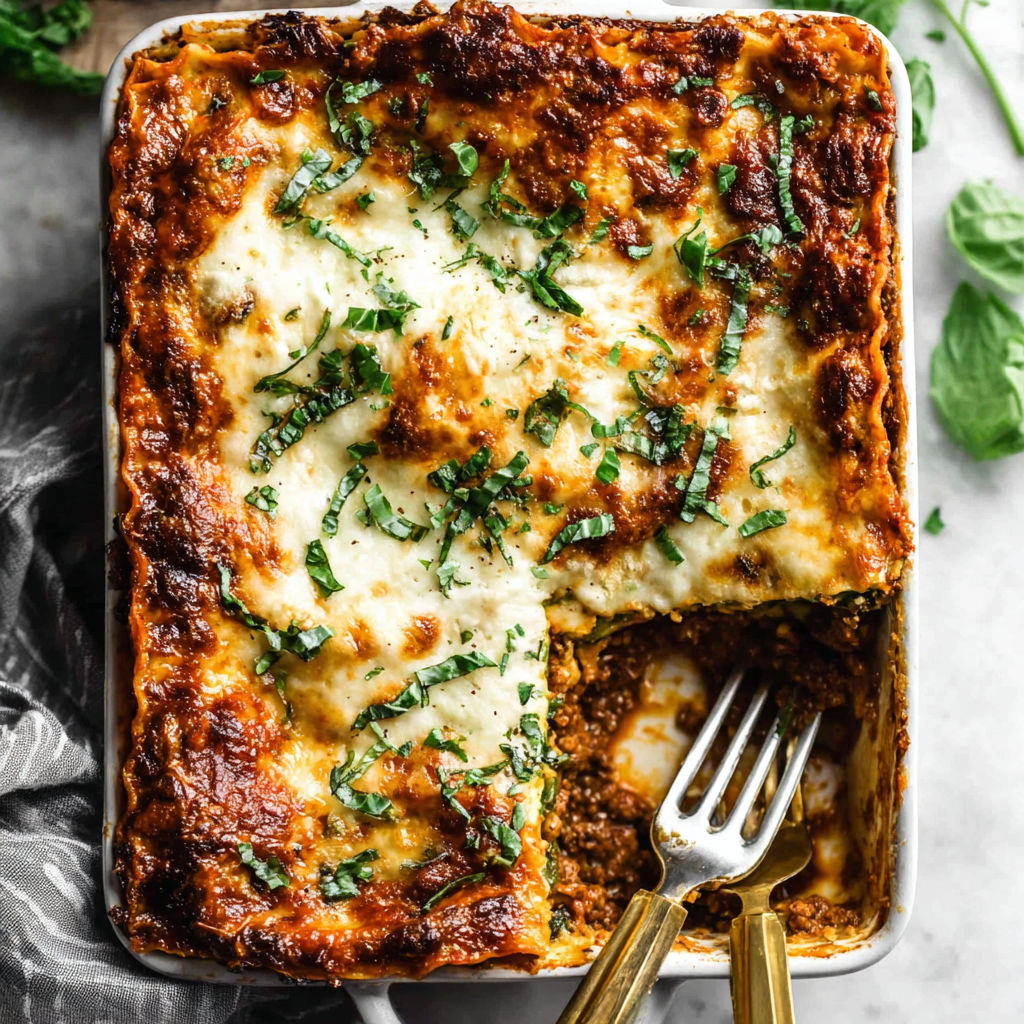
There's something magical about serving a steaming, fragrant lasagna straight from the oven on Christmas Eve-it fills your home with the scent of slow-simmered meat, herbs, and melted cheese, promising comfort and celebration in every bite. This isn't just any lasagna; it's a soul-warming Bolognese layered with silky ricotta, nutty Parmesan, and a trio of cheeses that melt into a golden blanket of indulgence. Perfect for a festive feast when you want to wow guests without a last-minute frenzy, it's the kind of dish that turns a family dinner into a holiday memory. Every forkful delivers rich, hearty flavor and tender noodles that practically melt in your mouth-ideal for sharing around a candlelit table.
What Makes This Recipe Special
- The double-meat ragu is slow-cooked with pancetta and red wine for a depth of flavor that's rare in most lasagnas-no jarred sauce shortcuts here.
- A layer of basil pesto mixed into ricotta adds a vibrant, aromatic twist that cuts through the richness of the cheese and meat.
- Lasagna is assembled, refrigerated overnight, then baked from cold, ensuring the noodles absorb the sauce perfectly and the dish holds its shape when sliced.
- Three types of cheese-mozzarella, Italian blend, and Parmesan-create a luxurious, gooey texture with a complex savory finish.
Ingredients
24 ouncesshredded low-moisture part-skim mozzarella cheese (about 6 cups)
12 ouncesItalian cheese blend, such as asiago and parmesan (about 3 cups)
15 ouncesricotta cheese, whole milk or part-skim
0.5 cupheavy cream
1 cupgrated parmesan cheese, divided
2 largecarrots, roughly chopped
1 stalkcelery, roughly chopped
1 largeyellow onion, roughly chopped
6 clovesgarlic
1 poundground beef
1 poundground pork
4 ouncespancetta
2 largeeggs
1 jar(6.3 ounces) basil pesto
1 can(6 ounces) tomato paste
1 can(28 ounces) crushed tomatoes
2 cupslow-sodium chicken broth or water
1 cupmedium-bodied red wine, such as Chianti
3-4 sprigs fresh rosemary
10-12 sprigs fresh thyme
2 bayleaves
1 parmesanrind, optional
kosher salt
ground black pepper
2 tablespoonsolive oil
16-18 sheets no-boil lasagna noodles
Nutrition
350 caloriesCalories
Per serving · Values are estimates
Instructions
1
Combine the chopped carrots, celery, and onion in a food processor. Pulse until finely broken down but not pureed. Transfer to a medium bowl and set aside.
2
Place pancetta and garlic into the food processor and pulse until finely minced. Set aside.
3
Warm olive oil in a heavy-bottomed pot over medium heat. Add the pancetta and garlic mixture. Sauté, stirring, until the pancetta renders and the garlic is fragrant, about 4 to 5 minutes.
4
Add the processed carrot, celery, and onion mixture to the pancetta-garlic base. Season with 1 teaspoon kosher salt. Cook, stirring occasionally, until deeply browned and aromatic, about 15 to 20 minutes; lower the heat if browning too rapidly. Move the mixture to the pot's edges.
5
Generously season ground beef and pork with 1 teaspoon kosher salt each. Add the meats to the center of the pot. Let brown undisturbed for 2 to 3 minutes per side, then break up into crumbles and combine with the vegetables. Sauté until thoroughly browned, 8 to 10 minutes.
6
Stir in tomato paste and cook for 2 to 3 minutes, allowing it to coat the meat and vegetables and darken slightly.
7
Raise the heat to medium-high and add the red wine. Stir vigorously, scraping any browned bits from the bottom. Cook until the wine is nearly absorbed, about 4 to 5 minutes.
8
Bundle together rosemary and thyme and secure with kitchen twine, or chop finely if needed. Add herbs, bay leaves, parmesan rind if using, crushed tomatoes, and broth or water. Stir thoroughly.
9
Reduce heat to medium-low and simmer uncovered, stirring occasionally, for 90 minutes. If the sauce thickens excessively, add a splash more broth or water, adjust heat lower, or partially cover the pot.
10
Stir in heavy cream and 0.5 cup grated parmesan. Taste and add salt and pepper as needed. Remove from heat and reserve for assembly.
11
In a medium bowl, mix ricotta cheese with basil pesto, eggs, 0.5 cup grated parmesan, salt, and black pepper until smooth.
12
In a large baking dish, spread a thin layer of bolognese sauce. Arrange lasagna noodles over sauce. Layer half of the ricotta mixture, then top with mozzarella and Italian cheese blend, using about one quarter of combined cheeses. Repeat bolognese, noodles, ricotta, and cheese layers to create four alternating layers. Finish with remaining cheeses.
13
Cover tightly with foil and refrigerate for at least 12 hours to allow flavors to meld and structure to set.
14
Preheat the oven to 375°F (190°C) with the rack in the center position. Transfer cold baking dish to a rimmed baking sheet. Bake covered for 60 minutes, removing foil for the final 10 minutes to brown the top. For an extra golden finish, broil during the last 5 minutes if desired.
Essential Tips
Don't skip the pancetta
Pancetta adds a subtle saltiness and fat that deepens the ragu's flavor. If you can't find it, use guanciale or omit, but don't substitute smoked bacon-it will change the dish's character.
Sear the meat well
Let the ground beef and pork sit undisturbed in the pot for 2-3 minutes to develop a deep brown crust before stirring. This builds fond, which gives the sauce its rich, savory backbone.
Bundle fresh herbs
Tying rosemary and thyme with twine makes them easy to remove after simmering, preventing woody bits in the final dish. Skip this, and your lasagna might taste like a garnish gone wrong.
Use high-quality lasagna noodles
Fresh or no-boil noodles work best here-skip the old-school dried ones, which can turn chalky. If using fresh, pat them dry slightly before layering to avoid a soggy bottom.
Bake from cold, not room temp
Starting the lasagna cold ensures even cooking and prevents the edges from over-browning. A rimmed baking sheet catches any drips and makes transferring safer.
Smart Swaps & Variations
Vegetarian version
Swap meats for finely diced mushrooms, lentils, and walnuts. Sauté with soy sauce for umami, and add a splash of balsamic vinegar at the end for brightness.
Gluten-free
Use gluten-free lasagna noodles and ensure all broths and cheeses are certified gluten-free. The ragu and ricotta layers remain unchanged.
Spiced up
Add a pinch of red pepper flakes to the ricotta mixture and a dash of nutmeg to the ragu for warmth. Great for those who love a little heat.
What to Serve With This
- A crisp green salad with shaved fennel, arugula, and lemon vinaigrette to cut through the richness.
- Garlic knots or crusty sourdough to soak up any extra sauce on the plate.
- A bold red wine like Chianti Classico or a dry Lambrusco to complement the ragu's depth.
- Roasted Brussels sprouts with balsamic glaze for a slightly bitter contrast.
Storage & Reheating
Storage
The unbaked lasagna can be refrigerated for up to 3 days before baking. Once baked, cool completely, then store covered in the fridge for up to 4 days.
Reheating
Reheat covered with foil at 350°F (175°C) until the center reaches 165°F, about 20-25 minutes. For crispier cheese, broil uncovered for the last 2-3 minutes.
Expert Chef Tips
- Toast the tomato paste in the pan with the pancetta until it darkens slightly-this step develops a nutty, caramelized flavor that elevates the entire ragu.
- Use a mix of low-moisture mozzarella and fresh mozzarella on the top layer for a blend of melt and creaminess. Fresh adds a delicate pull that's irresistible.
- If your ragu is too loose after simmering, transfer it to a saucepan and reduce it further off the heat before assembling. Sauce consistency is key to a structured lasagna.
Equipment You’ll Need
- Heavy-bottomed pot or Dutch oven (for the ragu)
- Food processor (for chopping vegetables and pancetta)
- Large baking dish (9x13 inches or similar)
- Rimmed baking sheet (for baking safety and stability)
Nutritional Benefits
- Each serving (based on 8 servings) provides approximately 350 calories, with 22g protein from the meat and cheese, making it a hearty, satisfying meal.
- The dish is high in calcium and vitamin D from the ricotta and cheeses, which support bone health during colder months.
- Using part-skim ricotta and mozzarella reduces saturated fat compared to full-fat versions, while still delivering creamy texture and flavor.
- The recipe is rich in lycopene from the tomatoes, an antioxidant linked to reduced risk of chronic diseases.
Reviews
No written reviews yet — be the first to cook this and share how it turned out!
Leave a Review
Frequently Asked Questions
Can I use dried lasagna noodles instead of fresh?
Yes, but boil them for 2 minutes less than package instructions and drain well. Pat dry with a towel to remove excess moisture before layering. Fresh noodles are ideal, but dried can work in a pinch-just don't skip the draining step.
What's the best way to cut the lasagna without it falling apart?
Let it rest for at least 15 minutes after baking to set. Use a sharp knife dipped in hot water and wiped dry between cuts. A serrated knife also helps prevent dragging the layers.
Can I make the ragu ahead?
Absolutely! The ragu can be made up to 3 days ahead and refrigerated. Reheat gently before assembling the lasagna to maintain texture. This actually deepens the flavor as the ragu sits.
What's the best substitute for pancetta?
Guanciale is the traditional choice, offering a similar fat content and saltiness. If unavailable, use unsmoked pancetta or omit entirely-just add an extra tablespoon of olive oil to compensate for the fat loss.
How do I know when the lasagna is fully cooked?
The center should reach 165°F internally, and the top should be golden with bubbling sauce at the edges. If the top browns too quickly, tent with foil.
Can I freeze the assembled lasagna before baking?
Yes! Freeze the assembled dish (unbaked) for up to 3 months. Thaw overnight in the fridge before baking, adding 10-15 minutes to the baking time if it's still cold.
Is there a way to reduce the sodium in this recipe?
Use low-sodium broth and omit the added salt in the ragu, then adjust to taste at the end. Parmesan and pancetta are naturally salty, so you may not need much additional salt.
What if I don't have a food processor for chopping vegetables?
Finely dice the onion, carrot, and celery by hand. Aim for a uniform size to ensure even cooking and texture in the ragu. A chef's knife and patience will get you there.
More Christmas

🔒 From the Vault — 43,000+ premium recipes

Cook This Next