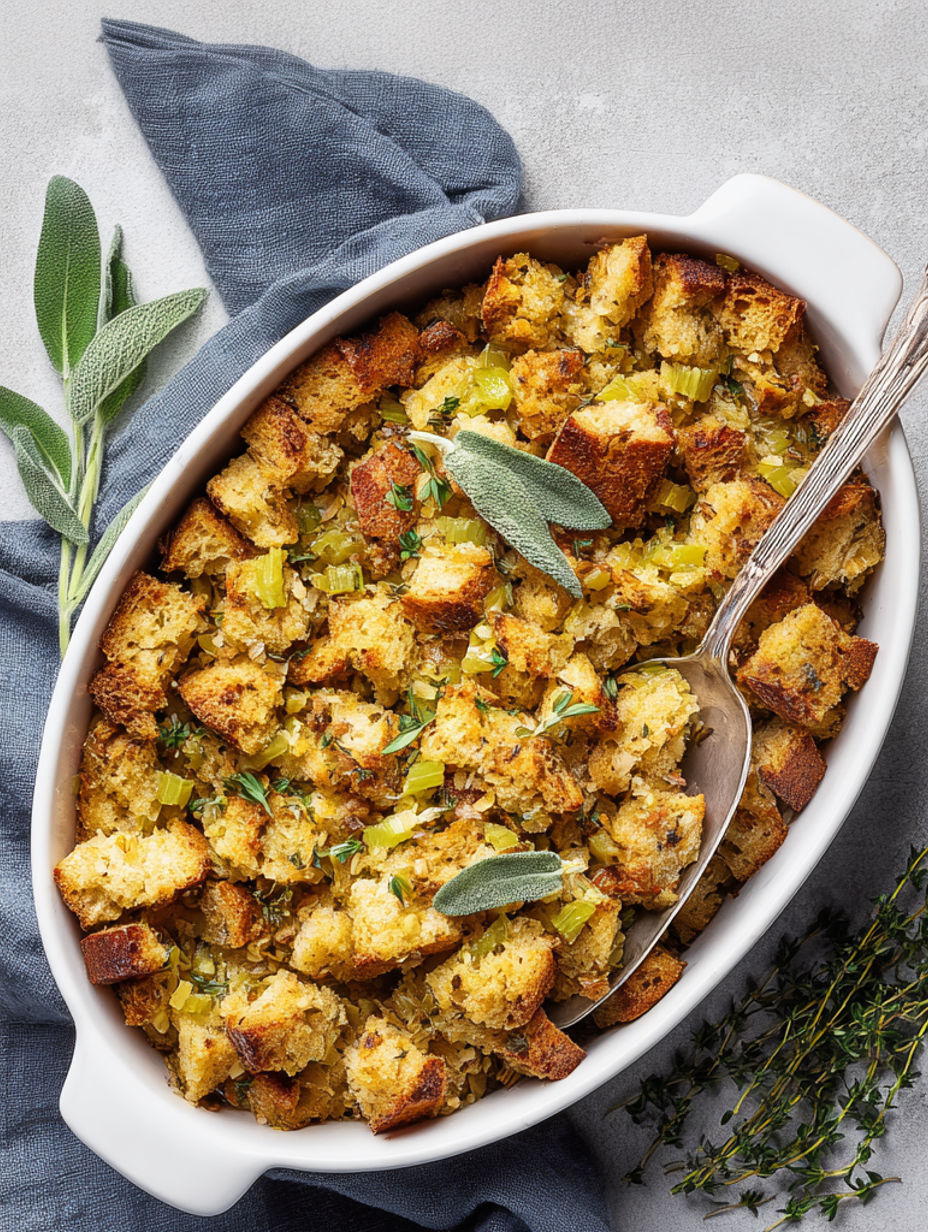
Classic Stuffing Thanksgiving Bread
There's something deeply nostalgic about the aroma of this classic stuffing wafting through the kitchen on Thanksgiving morning-it's the scent of tradition, family, and cozy gatherings. Home cooks love it because it's forgiving yet impressive, making even novice chefs feel like they've mastered the art of holiday cooking. Perfect for Thanksgiving tables or any fall dinner party, this dish pairs effortlessly with roasted turkey, ham, or even a hearty vegetarian centerpiece. What makes it irresistible? The buttery, toasty bread cubes soak up all the savory flavors from the onions, celery, and herbs, creating a side dish that's crispy on top and tender inside.
What Makes This Recipe Special
- The use of poultry seasoning or fresh sage gives this stuffing an unmistakable Thanksgiving flavor that's hard to replicate with generic seasonings.
- Dicing the onions and celery into small, even pieces ensures they melt into the bread rather than remaining as distinct textures.
- Gradually adding broth while tossing the bread cubes guarantees perfectly moist stuffing without any dry or soggy spots.
- Baking under foil first and then uncovering allows the top to crisp beautifully while keeping the interior light and fluffy.
Ingredients
2 smallyellow onions, diced
4 ribscelery, diced
2/3 cupunsalted butter
1 1/2 teaspoonspoultry seasoning or 1/2 teaspoon ground sage
Black pepper, to taste
Salt, to taste
12 cupsdry bread cubes
2 to4 cups low sodium chicken or vegetable broth
2 tablespoonschopped fresh parsley or 2 teaspoons dried parsley
1 tablespoonfresh herbs (sage, thyme, or rosemary) or 1 teaspoon dried herbs
Nutrition
450 caloriesCalories
Per serving · Values are estimates
Instructions
1
Preheat oven to 350°F (175°C).
2
In a large skillet over medium heat, melt butter. Add diced onions, celery, poultry seasoning, and fresh or dried herbs. Lower heat to medium-low and cook until vegetables are soft, about 10 to 12 minutes. Remove from heat and let cool slightly.
3
In a large bowl, mix together the bread cubes, sautéed vegetable mixture, parsley, and additional fresh herbs if using.
4
Drizzle 1 cup of broth over the bread mixture and gently toss. Gradually add more broth, tossing until the bread cubes are fully moistened but not soggy. You may not need all the broth. Season with salt and black pepper to taste.
5
Spoon mixture into a large, greased baking dish. If desired, dot the surface with additional butter. Cover tightly with foil.
6
Bake for 35 minutes. Remove foil and continue baking for an additional 10 minutes or until the top is golden and slightly crisp.
Essential Tips
Toast the bread first
For extra depth of flavor, spread the bread cubes on a baking sheet and toast in a 300°F (150°C) oven for 15 minutes before starting the recipe. This prevents a gummy texture and adds a subtle nuttiness to every bite.
Use stale bread
Dry bread cubes are essential for absorbing the broth without turning mushy. If your bread isn't stale enough, leave it out overnight or toast it lightly in the oven to dry it out.
Don't skip the drizzle
When adding broth, start with 2 cups and drizzle it in slowly while tossing the bread. This ensures even distribution and avoids over-saturating any section of the stuffing.
Herb freshness matters
If using dried herbs, crush them between your fingers before adding to release their oils. For fresh herbs, chop them finely so they distribute evenly throughout the stuffing.
Butter the dish well
Grease your baking dish generously with butter to prevent sticking and add extra richness to the edges of the stuffing, which tend to crisp up beautifully.
Smart Swaps & Variations
Herb Garden Variation
Swap the poultry seasoning for a mix of fresh thyme, rosemary, and sage, finely chopped and sautéed with the onions and celery for a more vibrant, herbal flavor.
Wild Rice Boost
Add 1 cup of cooked wild rice to the bread mixture for a chewy texture and nutty flavor that pairs wonderfully with the classic stuffing.
Mushroom Medley
Sauté 8 ounces of sliced cremini or shiitake mushrooms with the onions and celery for an earthy, umami-rich twist on the traditional recipe.
Cornbread Base
Replace half of the dry bread cubes with crumbled cornbread for a slightly sweet, Southern-style stuffing with a crumbly texture.
What to Serve With This
- A classic roasted turkey with gravy, for a traditional Thanksgiving spread.
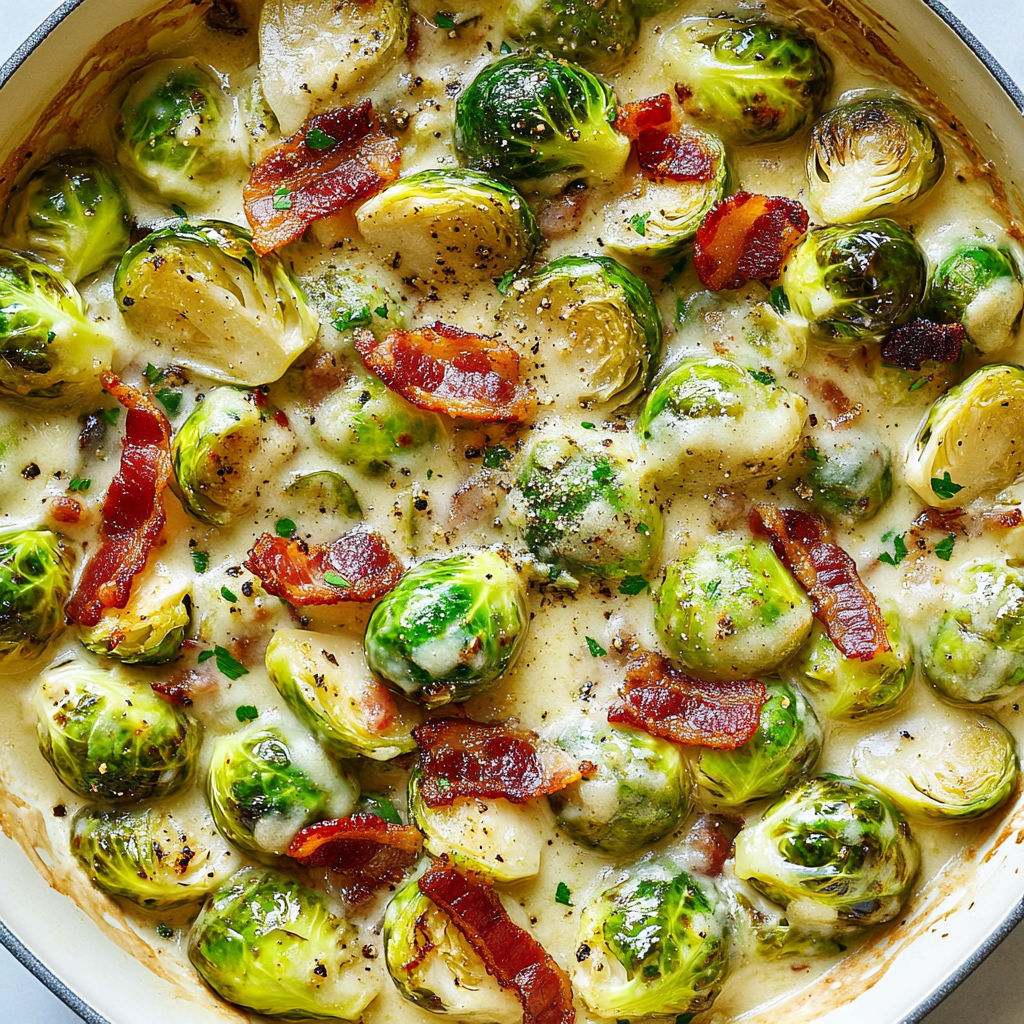
- Roasted Brussels sprouts with a balsamic glaze, to balance the richness of the stuffing.
- Cranberry sauce, either homemade or store-bought, for a sweet-tart contrast.
- A crisp apple cider or a dry white wine like Chardonnay to complement the savory flavors.
Storage & Reheating
Storage
Store leftover stuffing in an airtight container in the refrigerator for up to 4 days. It's best to keep it separate from the turkey if you've baked it inside the bird, as the texture can change when reheated.
Reheating
Reheat stuffing in a covered skillet over low heat with a splash of broth or water to restore moisture. For crispier edges, spread it on a baking sheet and warm in a 350°F (175°C) oven for 10-15 minutes.
Expert Chef Tips
- For a deeper flavor, deglaze the skillet after sautéing the onions and celery with 1/4 cup of dry white wine or vermouth before adding the broth.
- If your stuffing seems too dry after baking, brush the top with melted butter and return it to the oven for 5 minutes to revive the crispness.
- Make a large batch and freeze portions in freezer-safe bags for up to 3 months. Thaw overnight in the fridge before reheating to maintain texture.
Equipment You’ll Need
- Large skillet or sauté pan for cooking onions and celery
- Large mixing bowl for tossing the bread mixture
- 9x13-inch baking dish or similar for baking the stuffing
- Chef's knife and cutting board for dicing onions and celery
Nutritional Benefits
- A single serving (1 cup) contains approximately 250-300 calories, depending on the type of bread and amount of butter used.
- This stuffing is a good source of dietary fiber, especially if made with whole-grain bread, which aids in digestion during a heavy holiday meal.
- Using unsalted butter and low-sodium broth allows you to control the sodium content, making this dish a healthier option for those monitoring their salt intake.
- The herbs and vegetables in this recipe provide antioxidants and vitamins, such as vitamin K from parsley and vitamin C from celery, contributing to the dish's overall nutritional value.
Reviews
No written reviews yet — be the first to cook this and share how it turned out!
Leave a Review
Frequently Asked Questions
Can I make this stuffing vegetarian?
Absolutely! Use vegetable broth instead of chicken broth and skip any meat additions. You can also add roasted butternut squash or pecans for extra texture and flavor. Just ensure all your broths and ingredients are vegetarian-friendly.
How do I prevent my stuffing from becoming soggy?
Start with dry bread cubes and add broth gradually while tossing. If your bread is very fresh, toast it first in the oven to dry it out. Avoid over-packing the baking dish, as this can trap moisture.
Can I prepare this stuffing ahead of time?
Yes! Assemble the stuffing up to a day ahead and refrigerate it, covered. When ready to bake, let it sit at room temperature for 30 minutes before popping it into the oven. Add a splash of broth if it looks dry.
What's the best way to stuff a turkey with this mixture?
Prepare the stuffing just before stuffing the turkey to prevent bacterial growth. Loosely fill the turkey cavity, as the stuffing will expand during cooking. Avoid packing it tightly, and remove all stuffing from the bird before carving.
Can I use sourdough bread for this recipe?
Sourdough works wonderfully! Its tangy flavor pairs beautifully with the savory elements. Cube and dry it out overnight or toast it lightly before using to ensure it holds up to the broth.
How much broth should I use for 12 cups of bread cubes?
Start with 2 cups of broth and add more gradually until the bread is moist but not soggy. The exact amount depends on the size and dryness of your bread cubes-some brands absorb more liquid than others.
Can I bake this stuffing in a turkey?
Yes, but ensure the turkey is large enough to accommodate the stuffing without overpacking. Bake the turkey until the stuffing reaches 165°F (74°C) internally. Remove all stuffing from the bird before serving to avoid dryness.
What herbs can I substitute if I don't have poultry seasoning?
A mix of 1/2 teaspoon dried sage, 1/4 teaspoon dried thyme, and 1/4 teaspoon dried rosemary works as a substitute. Fresh herbs like sage, thyme, or rosemary can also be used-just increase the quantity to 1 tablespoon total.
More Thanksgiving

🔒 From the Vault — 43,000+ premium recipes



Cook This Next