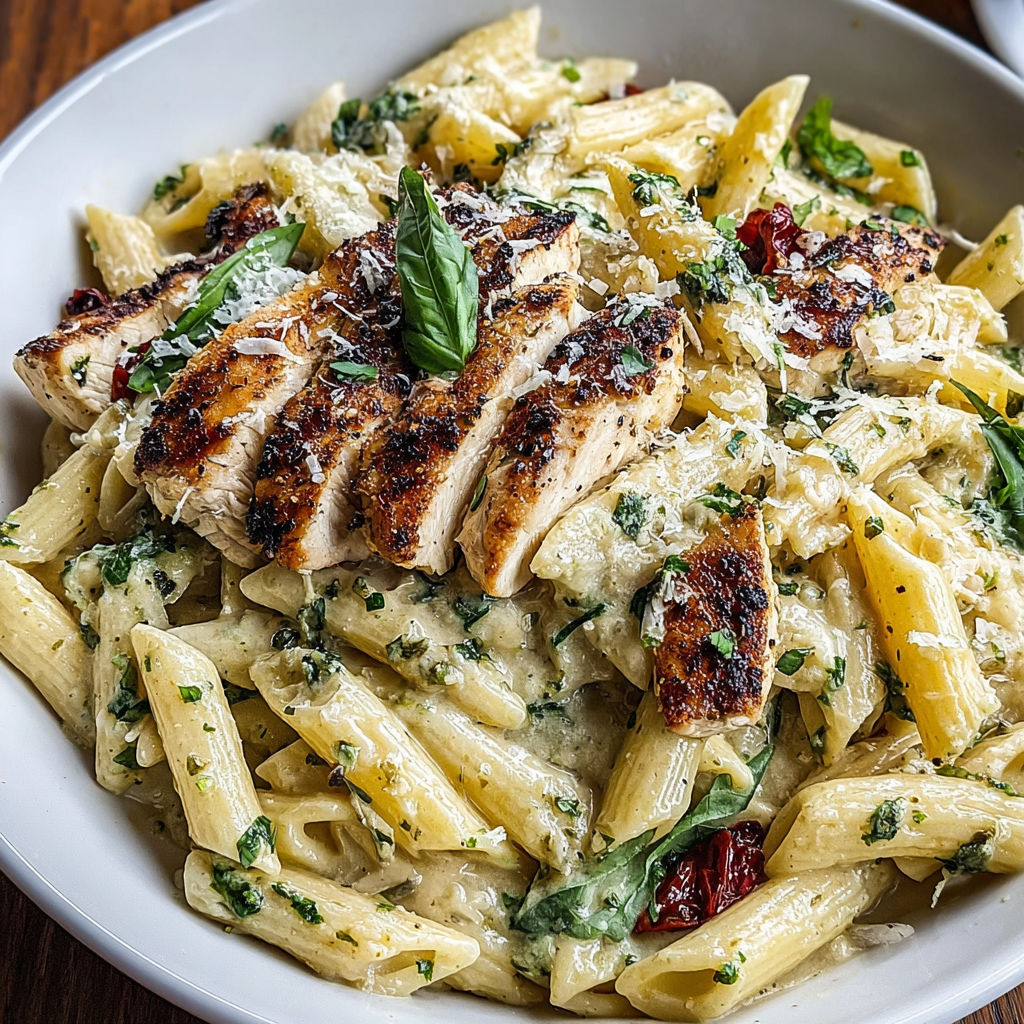
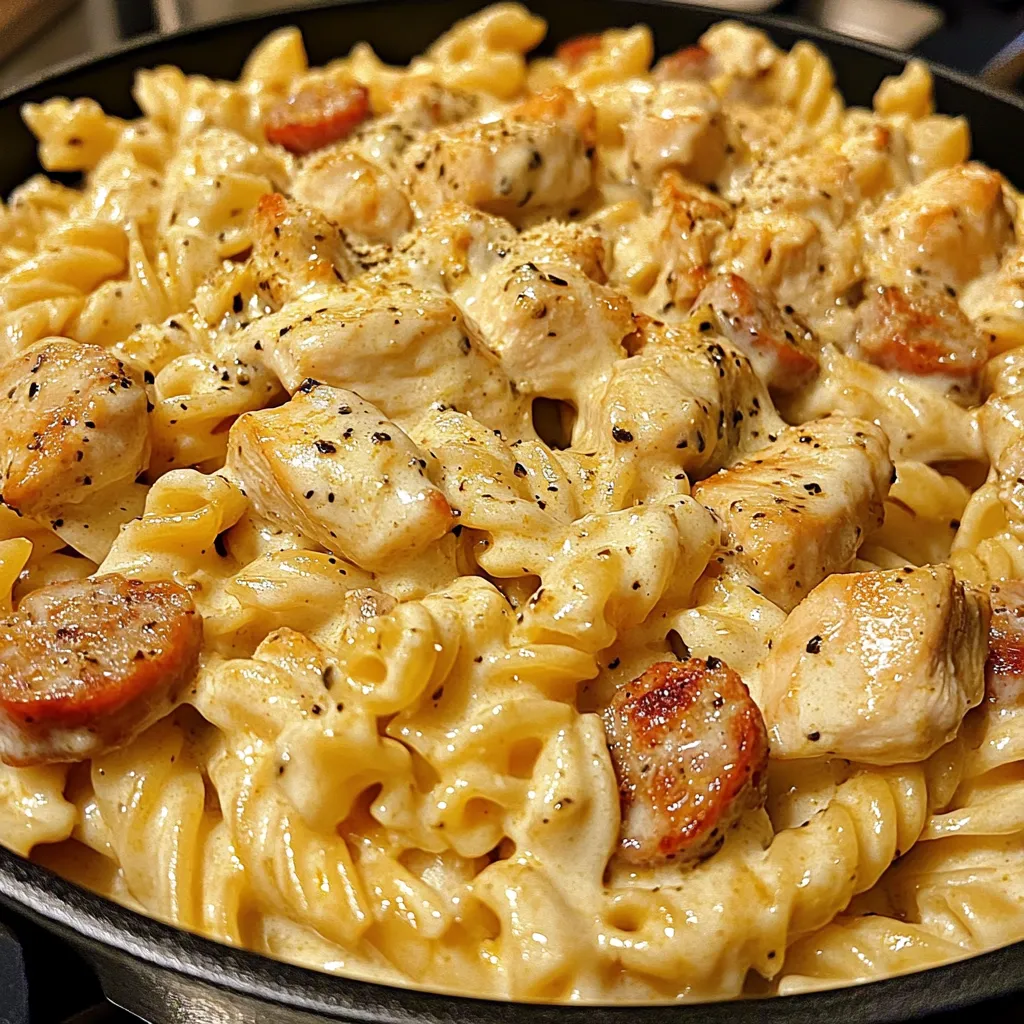
Spicy Cheese Pasta
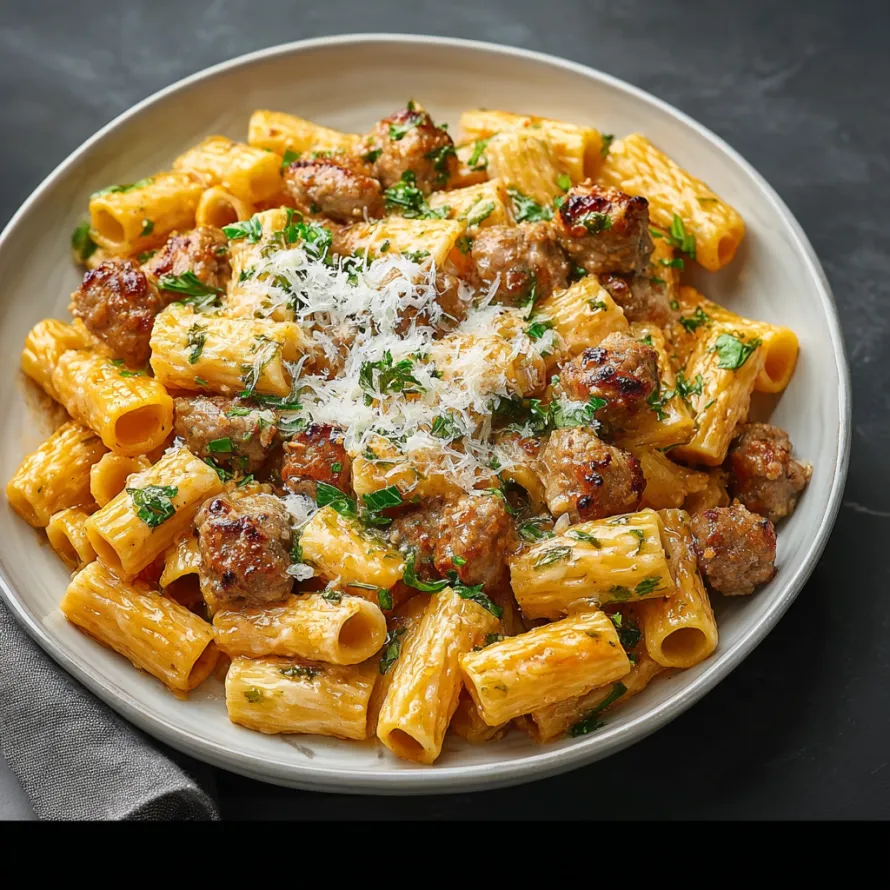
There's something magical about a bowl of creamy, spicy cheese pasta that feels like a warm hug on a chilly evening. Home cooks adore this dish for its rich, indulgent flavors and the way it transforms simple ingredients into a hearty, satisfying meal. Perfect for busy weeknights when you crave comfort food or for casual gatherings where everyone will leave with a full belly and a smile, this recipe balances heat, creaminess, and savory depth in every bite. The combination of tender chicken, smoky sausage, and melted spicy jack cheese makes it irresistibly craveable.
What Makes This Recipe Special
- The sauce is built in layers: first the meat is seared for depth, then cream and stock are reduced for body, and finally cheese melts into a velvety, spicy-rich base that coats every noodle perfectly.
- Using both powdered and fresh garlic ensures a balanced aroma-powdered garlic adds a subtle earthiness while crushed garlic brings bright, pungent notes to the sauce.
- Aged Italian cheese (like Parmigiano-Reggiano) adds umami and sharpness, cutting through the richness of the cream and balancing the spice from the pepper jack.
- Red pepper flakes are added at the end to preserve their heat and crunch, giving a final burst of spicy texture that contrasts beautifully with the silky pasta.
Ingredients
2 tablespoonsveggie oil
1 poundchicken breast without bones or skin, diced
1/2 poundsliced smoked sausage
1 teaspoonpowdered garlic
1 teaspoonpowdered onion
1/2 teaspoonsmoky paprika
Salt and pepper as needed
12 ozpasta tubes (penne)
1 tablespoonbutter
3 clovescrushed garlic
2 cupsthick cream
1 cupchicken stock
1½ cupsshredded spicy jack cheese
1/2 cupgrated aged Italian cheese
1/4 teaspoonred pepper flakes
Chopped fresh parsley for topping
Nutrition
650 caloriesCalories
Per serving · Values are estimates
Instructions
1
Boil the pasta tubes following box instructions. Strain and put aside.
2
Warm up the veggie oil in a big pan over medium-high fire. Toss in diced chicken and sausage, sprinkle with powdered garlic, powdered onion, smoky paprika, salt, and pepper. Cook till golden and done, around 6–8 minutes. Take out and save for later.
3
Lower heat to medium in the same pan. Drop in butter and crushed garlic, cook for 1–2 minutes till you smell the aroma.
4
Add thick cream and chicken stock. Mix well and let it slowly bubble. Slowly mix in spicy jack and aged Italian cheese, stirring till smooth. Sprinkle in red pepper flakes if you want heat.
5
Put cooked meat and pasta back in the pan. Stir everything so the creamy sauce covers it all.
6
Let everything bubble together for 2–3 more minutes to blend tastes. Top with chopped parsley and enjoy hot.
Essential Tips
Don't overcrowd the pan
When cooking the chicken and sausage, work in batches if needed to avoid steaming the meat. Properly seared meat develops flavor and texture, which is key to this dish's depth.
Low and slow for the sauce
Let the cream and stock reduce on medium-low heat until slightly thickened-about 5 minutes. This prevents a thin, watery sauce and ensures the cheese melts smoothly without breaking.
Shred your own cheese
Pre-shredded cheese often contains anti-caking agents that can make the sauce grainy. Freshly grated cheese melts more evenly and creates a velvety texture.
Season in stages
Salt the chicken and sausage while searing, then season the sauce after the cheese is incorporated. This prevents over-salting and allows you to adjust to taste at the end.
Finish with fresh parsley
A sprinkle of chopped parsley adds a pop of color and a fresh, herbal note that lightens the richness of the dish. Don't skip it-it's the perfect garnish.
Smart Swaps & Variations
Vegetarian
Swap chicken and sausage for 1½ cups of sautéed mushrooms, bell peppers, and zucchini. Use vegetable stock instead of chicken stock to keep the sauce rich.
Extra Spicy
Add 1 extra minced jalapeño to the sauce or mix in ½ teaspoon of cayenne pepper when reducing the cream. Adjust heat to your tolerance.
Lighter Version
Replace half the cream with whole milk or half-and-half, and use 1 cup of low-fat chicken stock. The sauce will be lighter but still creamy.
Seafood Twist
Replace chicken and sausage with 1 pound of shrimp and ½ pound of diced smoked salmon. Cook shrimp for just 2 minutes per side to avoid toughness.
What to Serve With This
- Garlic bread or crusty sourdough to soak up the extra sauce.
- A crisp green salad with a lemon vinaigrette to cut through the richness.
- A chilled glass of sparkling water with lime or a light lager beer.
- Steamed broccoli or roasted Brussels sprouts for a simple, balanced side.
Storage & Reheating
Storage
Store leftovers in an airtight container in the fridge for up to 3 days. The sauce will thicken as it cools, so you may need to add a splash of milk or broth when reheating.
Reheating
Reheat gently on the stovetop over low heat, stirring frequently and adding a tablespoon of milk or cream to restore creaminess. Avoid microwaving-it can make the sauce grainy and separate.
Expert Chef Tips
- Toast the garlic in the butter for 30 seconds before adding the cream to deepen its flavor without burning it.
- If the sauce breaks or looks greasy, whisk in a small ice cube-it'll emulsify the fat and bring it back together smoothly.
- For a richer sauce, deglaze the pan after searing the meat with ¼ cup of dry white wine before adding the cream.
Equipment You’ll Need
- Large skillet or Dutch oven (12-inch minimum) for searing and reducing the sauce
- Large pot for boiling pasta
- Cheese grater (if not using pre-shredded cheese)
- Wooden spoon or silicone spatula for stirring the sauce
Nutritional Benefits
- High in protein (about 35g per serving) from chicken and sausage, which helps keep you full and supports muscle repair.
- Contains calcium and vitamin D from the cheese, contributing to bone health and immune function.
- Provides healthy fats from the cream and cheese, which are essential for nutrient absorption and satiety.
- Moderate amount of sodium (about 800mg per serving), so consider using low-sodium chicken stock and cheese to reduce intake if needed.
Reviews
No written reviews yet — be the first to cook this and share how it turned out!
Leave a Review
Frequently Asked Questions
Can I use pre-shredded cheese?
While convenient, pre-shredded cheese often contains anti-caking agents that prevent smooth melting. For the creamiest sauce, always use freshly grated cheese.
What's the best pasta shape for this recipe?
Penne is ideal because its ridges and hollow center help the sauce cling to every bite. Rigatoni or cavatappi work well too for their similar shapes.
How can I make this dish ahead of time?
Prepare the sauce and meat up to step 4, then let it cool and store in the fridge for up to 2 days. Reheat gently, add the pasta, and finish with cheese and parsley.
My sauce turned out too thin. How can I fix it?
Simmer the sauce for another 2-3 minutes to reduce. If it's still too thin, mix 1 tablespoon of cornstarch with 1 tablespoon of cold water, then whisk it into the sauce and simmer until thickened.
Can I freeze this dish?
Yes, but the texture of the pasta may become mushy after thawing. For best results, freeze the sauce and meat separately (up to 3 months), then cook fresh pasta when ready to serve.
What's the best way to adjust the spice level?
Start with less spicy jack cheese and add red pepper flakes to taste. You can also mix in some mild cheddar or mozzarella to dilute the heat without sacrificing creaminess.
Why did my sauce separate?
This usually happens if the heat is too high when adding the cheese. Always reduce the heat to low and add the cheese gradually while stirring constantly to maintain the emulsion.
Can I use a different protein?
Absolutely! Ground turkey, Italian sausage, or even crispy pancetta work well. For a vegetarian option, use hearty mushrooms or a plant-based sausage.
More Dinner Victories
🔒 From the Vault — 43,000+ premium recipes

Cook This Next