French Butter Cookies Classic
There's something magical about French butter cookies-they embody the essence of holiday indulgence with their buttery richness and delicate crumble. Home cooks adore them for their simplicity yet sophisticated taste, making them a perfect addition to festive cookie platters or a cozy afternoon tea. What makes these cookies truly irresistible is the harmonious blend of unsalted butter's depth and the subtle sweetness of powdered sugar, creating a melt-in-your-mouth experience that feels both luxurious and nostalgic.
What Makes This Recipe Special
- The dough is shaped into logs and frozen before slicing, which ensures perfectly uniform cookies with crisp edges and a tender crumb, a hallmark of authentic French *sablés* techniques.
- Using unsalted butter allows home cooks to control the sweetness while enhancing the cookie's buttery depth, a critical detail often overlooked in generic recipes.
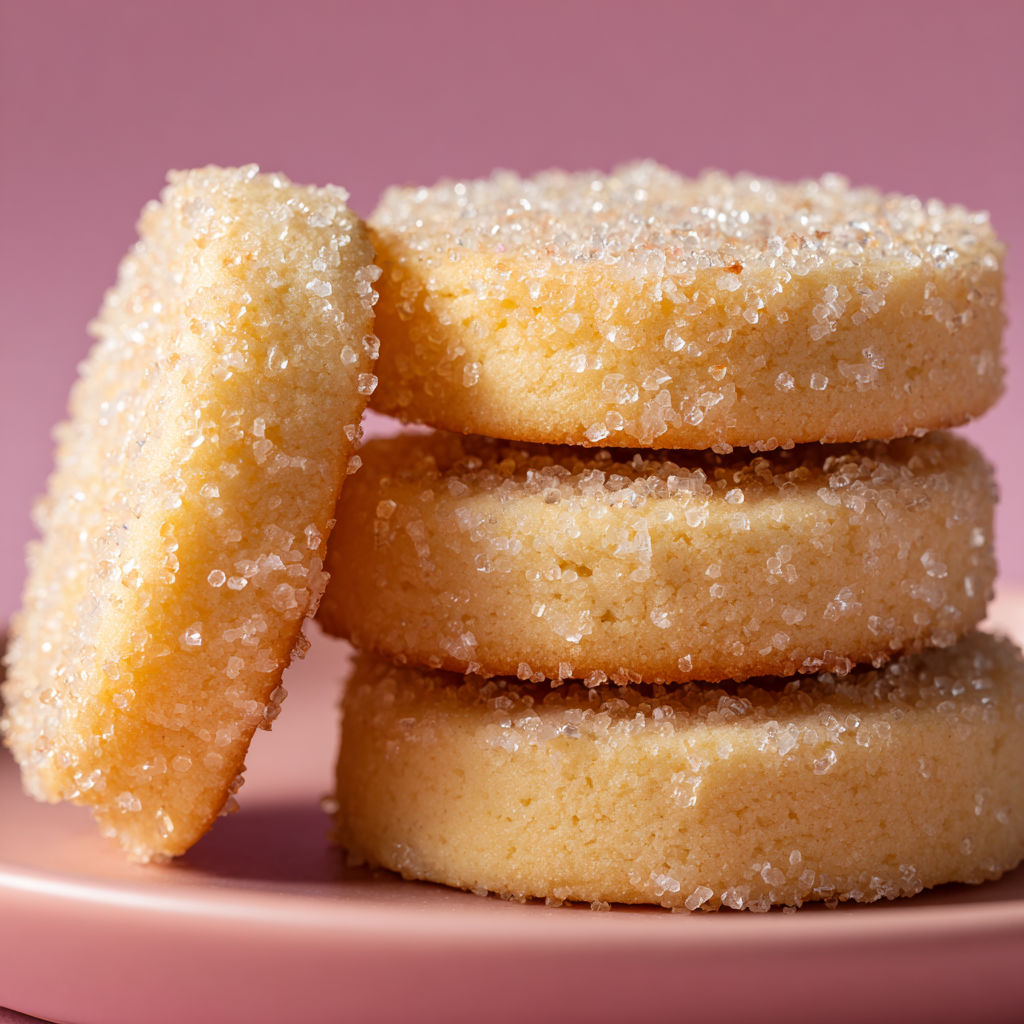
- A dual sugar approach-powdered sugar in the dough and granulated sugar for rolling-creates a delicate crust while keeping the interior light and airy.
- The resting step (freezing the dough logs) is essential for achieving the signature texture; without it, the cookies spread unevenly and lose their signature snap.
Ingredients
1 cupunsalted butter, softened
1/2 cuppowdered sugar, sifted
1 largeegg yolk, at room temperature
1/2 teaspoonvanilla extract
2 cupsall-purpose flour, sifted
1/4 cupgranulated sugar
Nutrition
182 caloriesCalories
Per serving · Values are estimates
Instructions
1
Use a spatula or hand mixer to blend softened butter with powdered sugar until mixture becomes pale and light in texture.
2
Add egg yolk and vanilla extract; mix just until combined and smooth.
3
Sift all-purpose flour into the mixture and stir gently to create a soft, cohesive dough.
4
Divide dough in half. Shape each half into a log approximately 1.5 inches in diameter. Wrap each log tightly in plastic wrap and freeze for 45 minutes to firm up.
5
Preheat oven to 356°F. Line a baking sheet with parchment paper. Sprinkle granulated sugar onto a large plate for coating.
6
Remove dough logs from freezer and unwrap. Roll each log evenly in granulated sugar. Slice each log into 3/8-inch thick rounds and place on the prepared baking sheet, spaced apart.
7
Bake in preheated oven for 15 to 18 minutes or until edges are golden brown.
8
Remove baking sheet from oven and let cookies rest on pan for 5 minutes. Transfer cooled cookies to a wire rack. Store in an airtight container for up to 5 days.
Essential Tips
Room temp butter
Ensure your butter is softened but not overly soft or greasy-it should hold its shape when pressed lightly. Overly warm butter will make the dough too sticky, leading to flat, dense cookies.
Sift flour twice
Sifting the flour not only prevents lumps but also aerates it, ensuring a tender cookie. Skip this step, and you risk dense, heavy cookies that lack the classic French *sablé* crumble.
Chill dough logs
Freezing the dough logs for 45 minutes (or up to 24 hours) is non-negotiable. This step firms the dough, making slicing cleaner and ensuring the cookies hold their shape during baking.
Uniform thickness
Use a ruler or a dough divider to slice the logs into equal 3/8-inch rounds. Inconsistent thickness leads to uneven baking-some cookies will burn while others stay pale.
Bake on parchment
Line your baking sheet with parchment paper to prevent sticking and ensure even heat distribution. These cookies are delicate when warm, so parchment makes transfer to the wire rack effortless.
Smart Swaps & Variations
Citrus Zest
Add 1 tablespoon of finely grated lemon or orange zest to the dough along with the vanilla for a bright, aromatic twist that pairs beautifully with the butter.
Almond Flour
Replace half of the all-purpose flour with finely ground almond flour (1 cup total) for a nuttier flavor and slightly denser, chewier texture.
Chocolate Drizzle
Once cooled, drizzle melted dark or white chocolate over the cookies for a decadent finish. Let set before storing to maintain crispness.
Spiced
Add 1/2 teaspoon of ground cinnamon or cardamom to the dough for a warm, spiced note that's perfect for holiday baking.
What to Serve With This
- A steaming cup of French press coffee or a pot of Earl Grey tea, which complements the buttery richness of the cookies.
- Whipped cream or crème fraîche for an elegant dessert plate, served alongside fresh berries or a drizzle of honey.
- A glass of sweet dessert wine, such as Sauternes or a sparkling Moscato, to highlight the cookie's delicate sweetness.
- As part of a festive cookie assortment, paired with gingerbread, shortbread, or chocolate-dipped treats for a holiday spread.
Storage & Reheating
Storage
Store cookies in an airtight container at room temperature for up to 1 week. For longer storage, freeze the baked cookies in a single layer for up to 3 months.
Reheating
To restore crispness, warm cookies in a 300°F oven for 5 minutes. Avoid microwaving, as it will make them soggy-these are best enjoyed at room temperature.
Expert Chef Tips
- For an ultra-fine crumb, chill the dough for 24 hours before baking. This extended rest allows the flour proteins to relax, resulting in a more tender texture.
- Use European-style unsalted butter (like Plugrá or Kerrygold) for a higher fat content, which yields a richer flavor and more delicate crumble.
- To achieve a snowy finish, dust the cookies with powdered sugar immediately after they come out of the oven while they're still warm-the sugar will adhere better.
Equipment You’ll Need
- Stand mixer or hand mixer (for creaming butter and sugar)
- Plastic wrap (for chilling dough logs)
- Baking sheets with parchment paper or silicone mats
- Fine-mesh sieve (for sifting powdered sugar and flour)
Nutritional Benefits
- Each cookie is relatively low in calories (182 per serving) due to the high butter content providing richness without excessive sugar.
- Contains no artificial additives or preservatives, relying on natural ingredients for flavor and texture.
- A moderate serving (2 cookies) provides 8g of fat, primarily from heart-healthy saturated fats in the butter.
- No cholesterol, as the recipe uses egg yolk only (which contains dietary cholesterol) but in a small amount; the majority of the fat is from plant-based sources.
Reviews
No written reviews yet — be the first to cook this and share how it turned out!
Leave a Review
Frequently Asked Questions
Can I use salted butter instead of unsalted?
Yes, but omit the granulated sugar coating (step 6) to balance the saltiness. Taste the dough before baking; if it's too salty, reduce or omit the salt in the recipe next time.
Why do my cookies spread too much?
This happens if the butter is too warm or if the dough isn't chilled long enough. Ensure your butter is softened but not melted, and freeze the dough logs for the full 45 minutes before slicing.
Can I make the dough ahead of time?
Absolutely! Shape the dough into logs, wrap tightly in plastic, and freeze for up to 3 months. Thaw in the fridge overnight before slicing and baking.
How do I prevent the cookies from sticking to the baking sheet?
Always use parchment paper or a silicone baking mat. Avoid greasing the pan, as it can cause the cookies to spread unevenly and lose their crisp edges.
Can I substitute another extract for vanilla?
Yes, but use sparingly. Almond or coconut extracts work well (start with 1/4 teaspoon), but stronger extracts like peppermint can overpower the delicate flavor. Avoid imitation vanilla-it lacks depth.
Why are my cookies too soft?
Overmixing the dough or using too much flour can make cookies dense. Mix just until the dough comes together, and measure flour by spooning it into the cup and leveling off-don't scoop directly from the bag.
Can I bake these in a convection oven?
Yes, but reduce the temperature to 325°F and bake for 12-15 minutes. Convection ovens circulate heat more efficiently, so cookies brown faster.
How do I fix cookies that turned out too dry?
Next time, reduce the flour by 2-3 tablespoons or add 1-2 teaspoons of milk or cream to the dough. Overbaking is the most common cause of dryness-watch the edges for golden brown, not deep brown.
More Christmas Cookies
🔒 From the Vault — 43,000+ premium recipes

Cook This Next