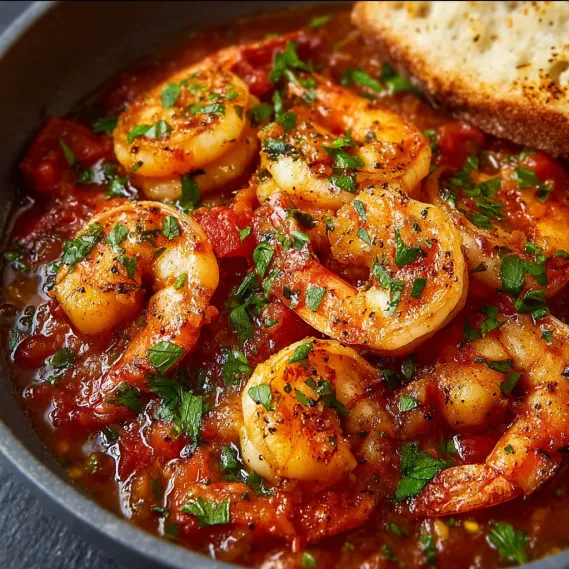
Garlic Shrimp Tomato Sauce
There's something deeply satisfying about watching plump shrimp turn pink and curl into perfect little Cs while soaking up the vibrant flavors of garlic, sun-ripened tomatoes, and a whisper of chili. This dish sings of the Mediterranean-bright, bold, and brimming with fresh herbs-making it a weeknight hero that feels indulgent yet effortless. Whether you're craving a taste of Italy, Greece, or Spain, this sauce clings beautifully to pasta, rice, or crusty bread, turning humble ingredients into a restaurant-worthy meal in just 20 minutes. It's the kind of recipe that makes you want to slow down, savor each bite, and maybe pour a glass of crisp white wine to match.
What Makes This Recipe Special
- The sauce is built in one skillet: first searing the shrimp, then using the same pan to bloom garlic and deglaze with wine, ensuring maximum flavor concentration without extra dishes.
- A touch of smoked paprika adds subtle depth to the tomato base, balancing acidity with earthy warmth-most home cooks miss this nuance.
- The timing is precise: shrimp cook quickly and go back in at the end to warm through in the sauce, preventing rubbery texture.
- Fresh parsley and basil are added at the very end, preserving their color and bright, herbal punch which can wilt if cooked too long.
Ingredients
1 lblarge shrimp, peeled and deveined
2 tablespoonsolive oil
6 clovesgarlic, minced
1 can(14.5 oz) diced tomatoes or 4 fresh tomatoes, chopped
1/4 cupdry white wine (optional)
1 teaspoondried oregano
1/2 teaspooncrushed red pepper flakes, adjusted to taste
1/4 teaspoonsmoked paprika
Salt and pepper, to taste
1 tablespoonfresh parsley, chopped
1 tablespoonfresh basil, chopped
Grated Parmesan cheese (optional, for serving)
Pasta, rice, or crusty bread (for serving)
Nutrition
245 caloriesCalories
Per serving · Values are estimates
Instructions
1
Heat 1 tablespoon of olive oil in a large skillet over medium-high heat. Once hot, add the shrimp and cook for 2-3 minutes per side, or until they turn pink and opaque. Remove the shrimp from the skillet and set aside.
2
In the same skillet, add another tablespoon of olive oil. Add the minced garlic and sauté for 1 minute, or until fragrant. Be careful not to burn the garlic.
3
Add the diced tomatoes (with their juice) to the skillet, along with the white wine (if using). Stir to combine. Add the oregano, crushed red pepper flakes, smoked paprika, and season with salt and pepper. Let the sauce simmer for 5-7 minutes, stirring occasionally, until it thickens slightly.
4
Return the cooked shrimp to the skillet, stirring gently to coat the shrimp in the tomato sauce. Cook for an additional 2-3 minutes, or until the shrimp are heated through.
5
Sprinkle fresh parsley and basil over the dish before serving. Optionally, top with grated Parmesan cheese.
6
Serve the Garlic Shrimp in Tomato Sauce over your favorite pasta, rice, or with some crusty bread to soak up the flavorful sauce.
Essential Tips
Deglaze for flavor
After cooking the shrimp, remove them and deglaze the skillet with 1/4 cup white wine, scraping up browned bits. This step dissolves flavor into the sauce and prevents a bitter base.
Don't overcook shrimp
Shrimp turn opaque and curl into a C shape when done. They'll carry over a bit while finishing in the sauce, so pull them out when just pink-about 90% cooked-then fold back in at the end.
Adjust heat gradually
Start with 1/4 teaspoon of red pepper flakes and taste before adding more. The sauce's spice mellows slightly as it simmers, but you can't take it out once it's in.
Use high-quality tomatoes
Opt for San Marzano diced tomatoes or ripe, in-season fresh tomatoes for a sweeter, more complex sauce. Canned tomatoes vary wildly-avoid those packed in salt or calcium chloride.
Keep sauce loose
If the sauce reduces too much while simmering, splash in a tablespoon of water or broth to maintain a silky, spoonable consistency. The goal is to coat, not drown, your starch of choice.
Smart Swaps & Variations
Creamy twist
Stir in 1/4 cup of heavy cream or coconut milk at the end of cooking for a richer, velvety sauce. Avoid boiling after adding dairy to prevent curdling.
Lemon-garlic upgrade
Add the zest and juice of 1 lemon along with the herbs to brighten the sauce and cut through the richness of the shrimp.
Mediterranean medley
Sauté 1 diced shallot with the garlic and add 1/2 cup of pitted Kalamata olives and 1 tablespoon of capers for a briny, salty depth.
Spicy harissa kick
Replace red pepper flakes with 1 teaspoon of harissa paste for a North African-inspired heat and smoky complexity.
What to Serve With This
- Spaghetti or linguine tossed with extra-virgin olive oil and reserved pasta water to help the sauce cling.
- Crusty sourdough or ciabatta, lightly toasted and rubbed with a garlic clove for dipping.
- A simple arugula salad with lemon vinaigrette, shaved fennel, and toasted pine nuts for crunch.
- Grilled asparagus or blistered cherry tomatoes for a vibrant, low-carb pairing.
Storage & Reheating
Storage
Store leftovers in an airtight container in the refrigerator for up to 2 days. The shrimp will continue to firm up in the fridge, so the texture may change slightly but the flavor will hold.
Reheating
Gently warm the sauce and shrimp in a skillet over medium-low heat, adding a splash of water or broth to loosen the sauce. Avoid high heat, which can make the shrimp rubbery and the herbs bitter.
Expert Chef Tips
- Use shrimp with the tails on for extra flavor-the shells infuse the sauce with a subtle seafood depth during cooking. Just remove before serving.
- Toast the smoked paprika in the empty skillet for 10 seconds before adding oil to release its aroma, which deepens the sauce's complexity.
- For a more rustic texture, mash a few of the diced tomatoes against the side of the skillet with a wooden spoon while simmering to create a thicker, chunkier sauce.
Equipment You’ll Need
- Large heavy-bottomed skillet or sauté pan (10-12 inches) for even heat distribution.
- Wooden spoon or silicone spatula for stirring and scraping the skillet.
- Sharp chef's knife and cutting board for mincing garlic and chopping herbs.
- Tongs for gently flipping and removing shrimp without piercing them.
Nutritional Benefits
- High in protein (about 22g per serving) from shrimp, which supports muscle repair and satiety.
- Rich in lycopene from tomatoes, a powerful antioxidant linked to reduced risk of chronic disease.
- Contains heart-healthy monounsaturated fats from olive oil, which may improve cholesterol levels.
- Low in carbohydrates (about 8g per serving without pasta), making it a great option for lower-carb diets when served over zucchini noodles or cauliflower rice.
Reviews
No written reviews yet — be the first to cook this and share how it turned out!
Leave a Review
Frequently Asked Questions
Can I substitute frozen shrimp?
Yes, but thaw them completely in cold water and pat dry thoroughly to avoid excess moisture in the sauce. Avoid using shrimp that have been treated with sodium tripolyphosphate (STP), as they release too much water.
What's the best wine to use?
A dry white wine like Pinot Grigio or Sauvignon Blanc works best for deglazing. If you don't drink, substitute with an equal amount of seafood or chicken stock for depth without alcohol.
Can I make this ahead?
The sauce can be made up to a day ahead and stored in the fridge. Reheat gently, then add the shrimp at the end and warm through to preserve their texture.
How do I adjust for spice preferences?
Start with a pinch of red pepper flakes and taste the sauce after 5 minutes of simmering. You can always add more, but once it's in, there's no going back. For milder heat, skip the flakes entirely and add a pinch of cayenne to the shrimp while cooking.
Can this be made dairy-free?
Absolutely. Skip the Parmesan and any cream variations. The dish is naturally dairy-free and just as flavorful. For extra richness, stir in a spoonful of dairy-free pesto at the end.
What's the best pasta shape?
Long, thin pastas like spaghetti or linguine are ideal for clinging to the sauce. Short shapes like penne or fusilli work too, but they may not hold as much sauce per bite.
How do I prevent the sauce from separating?
If the sauce looks oily after simmering, it's likely the tomatoes weren't emulsified properly. Whisk in a teaspoon of cold butter or a splash of cream off the heat to bring it back together.
Can I use other seafood?
Yes, scallops or firm white fish like cod or halibut work well. Adjust cooking time: scallops take 2 minutes per side, while fish fillets need just 3-4 minutes total over medium heat.
More Dinner Victories
🔒 From the Vault — 43,000+ premium recipes

Cook This Next