
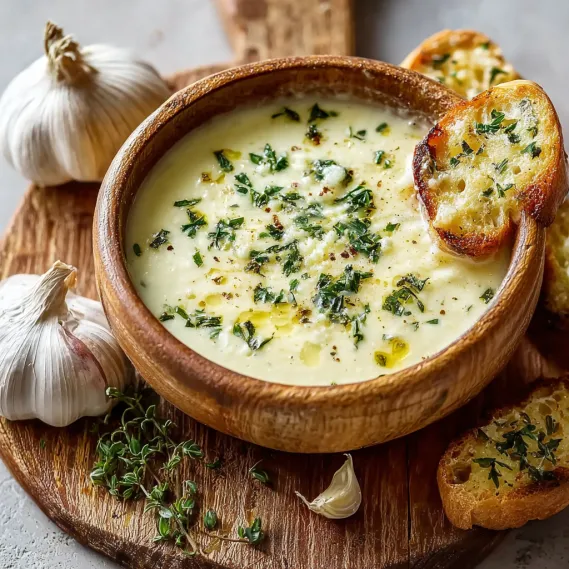
Lebanese Garlic Sauce Fluffy
Home cooks adore this Lebanese Garlic Sauce Fluffy for its bold, aromatic punch that elevates any meal from simple snacks to festive spreads. It's a staple at mezze platters, BBQ nights, or as a zesty dip for fresh veggies and grilled meats. What makes it irresistible is its velvety texture and intense garlic flavor, perfectly balanced by the bright tang of lemon and the richness of oil. This sauce is a game-changer for anyone who loves Mediterranean flavors but doesn't want to compromise on authenticity or taste.
What Makes This Recipe Special
- The sauce achieves a **fluffy, almost mousselike texture** due to the slow emulsification process, which incorporates air and creates a light, spreadable consistency unlike traditional coarse garlic pastes.
- Using **trimmed garlic cloves** (removing any green sprouts) ensures a smoother, less bitter flavor and prevents the sauce from turning gray or developing off-notes during storage.
- The **alternating addition of oil and lemon juice** is critical for stabilization, preventing the emulsion from breaking and creating a silky, cohesive sauce that clings beautifully to dippers or meats.
- Chilling the sauce for **at least an hour** before serving deepens the flavors and tightens the emulsion, making it more stable and easier to serve.
Ingredients
1 cuppeeled garlic cloves (about 4–5 heads, depending on size)
1 teaspoonkosher or table salt
3–4 cups neutral oil (canola, vegetable, grapeseed, sunflower)
½ cupfresh lemon juice (from about 2 lemons)
Optional: 2–3 tablespoons ice water or water to help emulsion
Nutrition
80 caloriesCalories
Per serving · Values are estimates
Instructions
1
Peel garlic and, if any cloves have green sprouts (germs), trim them out. Place garlic cloves and salt in a food processor. Pulse until finely minced, scraping down the sides as needed.
2
Turn the food processor to run continuously. Very slowly drizzle in about ½ cup of oil in a thin, steady stream. After that’s incorporated, add about 1 tablespoon of lemon juice and, optionally, a splash of ice-cold water. Continue pulsing.
3
Continue adding oil in small increments—½ cup at a time—alternating with lemon juice and small amounts of water. The process should take several minutes. Be patient: a rushed pour may break the emulsion.
4
As you go, the mixture will transform from rough garlic paste to a thick, snowy-white, fluffy emulsion. Keep scraping down the bowl and adding oil and lemon until all ingredients are incorporated and the texture is creamy.
5
Transfer to an airtight container. Refrigerate for at least an hour before serving for best flavor and texture. It will last up to one month when properly stored.
Essential Tips
Use room-temperature ingredients
Ensure your garlic, oil, and lemon juice are all at room temperature before starting. Cold ingredients can cause the emulsion to seize up, making it harder to achieve that coveted fluffy texture.
Pulse garlic thoroughly first
Pulse the garlic and salt in the food processor until it's finely minced but not yet a paste. This step ensures even distribution of salt and prevents large garlic chunks from disrupting the emulsion later.
Drizzle oil in a thin stream
When adding the oil initially, use the food processor's smallest feed tube or drizzle it in a very thin, steady stream. This slow incorporation is key to creating the stable emulsion that gives the sauce its signature fluffiness.
Scrape the bowl frequently
Garlic sauce has a habit of sticking to the sides of the bowl, so scrape it down every minute or so. This keeps the emulsion consistent and prevents uneven texture or broken sauce.
Adjust lemon to taste
Start with ½ cup of lemon juice, but taste as you go. If the sauce tastes too sharp, add 1-2 tablespoons of water to mellow it slightly. Conversely, if it's too mild, add a bit more lemon juice after the emulsion forms.
Smart Swaps & Variations
Spicy Garlic Sauce
Blend in 1-2 teaspoons of Aleppo pepper or a pinch of cayenne for a subtle heat that complements the garlic without overpowering it.
Herb-Infused Garlic Sauce
Add 2 tablespoons of finely chopped fresh parsley, dill, or mint at the end for a bright, herbaceous twist perfect for grilled meats or falafel.
Yogurt Garlic Sauce
Fold in ½ cup of thick Greek yogurt for a creamier, tangier variation that's great for pita sandwiches or as a dip for fries.
Roasted Garlic Sauce
Swap raw garlic for 1 cup of roasted garlic cloves to mellow the flavor and add a deep, caramelized sweetness to the sauce.
What to Serve With This
- Warm pita bread or flatbreads for scooping up every bit of the fluffy garlic sauce.
- Grilled meats like lamb kebabs, shawarma, or chicken skewers for a traditional Lebanese feast.
- Crudité platters with cucumber, bell peppers, and carrots for a fresh, crunchy contrast.
- Grilled vegetables like eggplant, zucchini, or halloumi cheese for a vegetarian-friendly meal.
Storage & Reheating
Storage
Store the sauce in an airtight container in the refrigerator for up to 1 month. The cold temperature helps stabilize the emulsion and preserves the fresh garlic flavor.
Reheating
The sauce is best served cold or at room temperature to highlight its texture and flavor. If you must reheat it, do so gently in a double boiler or microwave in 10-second bursts, stirring well between each to prevent separation.
Expert Chef Tips
- For a **near-perfect emulsion**, use a high-powered food processor or blender. A weak motor will struggle to incorporate the oil properly, leading to a broken or grainy sauce.
- If the sauce breaks during emulsification, don't panic-it's salvageable! Start a new batch with a fresh garlic paste, then slowly drizzle in the broken sauce like you would with the oil. The broken bits will re-emulsify over time.
- For a **longer-lasting sauce**, add ½ teaspoon of citric acid powder to the lemon juice before incorporating it. This lowers the pH slightly, acting as a preservative and preventing the garlic from oxidizing as quickly.
Equipment You’ll Need
- High-powered food processor or blender (a weak motor may struggle to emulsify properly)
- Fine-mesh strainer (optional, for ultra-smooth texture)
- Rubber spatula (for scraping down the bowl)
- Airtight container (for storage)
Nutritional Benefits
- This sauce is **low in calories** (about 80 per tablespoon), making it a flavorful, guilt-free addition to meals without adding significant fat or sugar.
- Garlic is rich in **allicin**, a compound known for its antimicrobial and heart-healthy properties, which may help lower cholesterol and blood pressure when consumed regularly.
- The **lemon juice** provides a dose of vitamin C and antioxidants, supporting immune function and collagen production.
- While high in fat (mostly from the oil), the fats are primarily unsaturated, which are considered heart-healthy when consumed in moderation as part of a balanced diet.
Reviews
No written reviews yet — be the first to cook this and share how it turned out!
Leave a Review
Frequently Asked Questions
Can I use a blender instead of a food processor?
Yes, but use the tamper tool to push the garlic down during blending. Blenders can overheat the sauce, so pulse in short bursts and keep the lid slightly ajar to release steam.
Why did my sauce turn gray or separate?
Gray garlic indicates the sauce wasn't emulsified properly, often due to adding oil too quickly or using cold ingredients. Separation happens if the emulsion breaks, usually from overheating or rough handling. To fix, restart with a fresh garlic paste and emulsify slowly.
Can I make this sauce ahead of time?
Absolutely! In fact, letting it sit for at least an hour in the fridge improves the flavor and texture. It will keep for up to a month, making it a great make-ahead staple for meal prep.
Is there a substitute for lemon juice?
You can use lime juice for a slightly different but still bright flavor, but avoid vinegar as it can make the sauce too sharp and alter the texture. For a non-citrus option, try ½ cup of plain yogurt mixed in after emulsification.
Why does my sauce taste bitter?
Bitter garlic sauce often results from using garlic cloves with green sprouts or over-processing the garlic, which can release bitter compounds. Trim sprouts before blending and pulse until just minced to avoid this.
Can I freeze this sauce?
Freezing is not recommended as the emulsion can break when thawed, leading to a grainy or separated texture. It's best enjoyed fresh or stored in the fridge.
How can I make it less sharp or more mellow?
Add 1-2 tablespoons of tahini or 2 teaspoons of honey to balance the acidity. Alternatively, let it sit in the fridge for a few hours-the flavors will meld and mellow over time.
What's the best oil to use?
Neutral oils like canola, vegetable, or grapeseed work best for their high smoke points and mild flavors. Avoid olive oil here-its strong taste can overpower the garlic and disrupt the emulsion.
More Gathering Stars



🔒 From the Vault — 43,000+ premium recipes



Cook This Next