
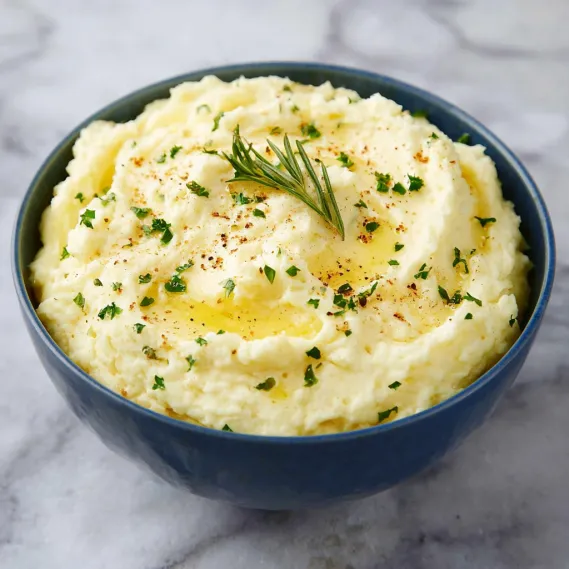
Mashed Potatoes With Cream Cheese
There's something deeply comforting about mashed potatoes that just melts your heart-literally. This creamy, dreamy side dish turns humble potatoes into a velvety cloud, thanks to the luxurious addition of cream cheese. Whether it's a festive holiday table or a simple weeknight dinner, these mashed potatoes are the ultimate crowd-pleaser. Their rich, buttery flavor and ultra-smooth texture make even the pickiest eaters reach for seconds.
What Makes This Recipe Special
- Cream cheese adds a tangy depth and ultra-creamy texture that butter alone can't achieve, making these mashed potatoes irresistibly silky.
- The recipe uses room-temperature ingredients (cream cheese, butter, milk) to blend seamlessly and avoid lumps or separation.
- A pinch of salt in the potato cooking water boosts flavor from the inside out, ensuring every bite is perfectly seasoned.
- The mash is finished with black pepper for a subtle warmth that balances the richness of the cream cheese and butter.
Ingredients
1 kgpotatoes, peeled and cut into 1-inch cubes
100 gcream cheese (room temperature)
2 tablespoonsbutter (room temperature)
½ cupmilk (room temperature)
¼ teaspoonblack pepper or to taste
Salt to taste
Nutrition
233 caloriesCalories
Per serving · Values are estimates
Instructions
1
Peel the potatoes, cut them into 1-inch cubes, rinse, and place them in a pot with cold water and a pinch of salt.
2
Bring the pot of water to a rapid boil on high heat, then reduce to medium-low and cook until the potatoes are tender.
3
Drain the cooked potatoes, then add cream cheese, butter, milk, black pepper, and optional seasonings. Mash until smooth and fluffy.
4
Add more milk if needed and adjust salt and pepper to taste. Serve warm.
Essential Tips
Room temperature matters
Take cream cheese, butter, and milk out of the fridge at least 30 minutes before cooking. Cold ingredients can cause lumps and make the texture gluey. If you're short on time, microwave the cream cheese and butter in 10-second bursts until just soft, but not melted.
Salt the water
Adding a generous pinch of salt to the boiling water seasons the potatoes from the inside, enhancing their natural flavor. This step alone makes a noticeable difference in taste compared to salting the mash after cooking.
Drain well before mashing
After draining, let the potatoes sit in the colander for 1-2 minutes to evaporate excess moisture. This prevents watery mashed potatoes and ensures a fluffier, creamier result.
Use a potato masher first
Start with a handheld potato masher to break down the potatoes slightly before switching to a ricer or food mill for ultra-smooth texture. Overworking with an electric mixer can make them gummy.
Warm the milk
Heat the milk gently in the microwave or on the stovetop until warm (not boiling). Warm liquid helps the cream cheese and butter incorporate smoothly without cooling the mixture too much.
Smart Swaps & Variations
Garlic & Herb
Add 2-3 minced garlic cloves to the boiling water and stir in 1 tablespoon of fresh chopped chives or parsley at the end for a fragrant, herby twist.
Cheesy Twist
Mix in ½ cup of shredded sharp cheddar or Gruyère cheese along with the cream cheese for a gooey, decadent flavor.
Vegan Version
Replace butter with vegan butter, milk with unsweetened almond or oat milk, and cream cheese with a dairy-free alternative like Kite Hill or Miyoko's cream cheese.
What to Serve With This
- Classic roast chicken or turkey with pan gravy, for a comforting holiday meal.
- Grilled steak or roasted pork tenderloin, where the creamy mash soaks up all the juices.
- Smoked salmon and dill for an elegant brunch spread.
- Green beans almondine or roasted Brussels sprouts for a balanced plate.
Storage & Reheating
Storage
Let the mashed potatoes cool to room temperature, then transfer to an airtight container. Store in the fridge for up to 3 days. The texture may thicken over time, but it will still be delicious.
Reheating
Reheat gently in a saucepan over low heat, stirring frequently and adding a splash of warm milk to restore creaminess. Avoid microwaving if possible, as it can make the potatoes gummy.
Expert Chef Tips
- For the creamiest texture, pass the cooked potatoes through a ricer or food mill before adding any other ingredients. This breaks down the potatoes more thoroughly than a masher or ricer alone.
- Add a splash of the potato cooking water back into the mash if it's too thick-it's already seasoned and enhances the creaminess without diluting flavor.
- For extra richness, fold in a spoonful of sour cream or crème fraîche along with the cream cheese. This adds a subtle tang that cuts through the richness beautifully.
Equipment You’ll Need
- Large pot with lid for boiling potatoes
- Potato peeler and chef's knife for cutting
- Colander for draining
- Hand potato masher, ricer, or food mill for texture
- Medium saucepan for warming milk (optional)
Nutritional Benefits
- Provides a good source of vitamin C and potassium from the potatoes, essential for immune function and heart health.
- Cream cheese adds protein and fat, which help with satiety and nutrient absorption, though it's higher in saturated fat-moderation is key.
- Using skim or low-fat milk can reduce the calorie count slightly while keeping the dish creamy.
- Black pepper contains piperine, a compound that may enhance nutrient absorption and has antioxidant properties.
Reviews
No written reviews yet — be the first to cook this and share how it turned out!
Leave a Review
Frequently Asked Questions
Can I use instant potatoes instead of fresh?
While instant potatoes will work in a pinch, they lack the depth of flavor and fluffy texture of fresh potatoes. If you must use instant, follow package instructions but reduce the milk slightly to avoid a gluey texture. Fresh potatoes are always recommended for the best results.
Why are my mashed potatoes gluey?
Gluey mashed potatoes usually result from overworking the potatoes (using an electric mixer) or adding too much liquid. To fix, stir in a bit of warm milk or butter to loosen the texture, and avoid mashing too vigorously. Overcooking the potatoes can also cause them to absorb too much water.
Can I make these ahead of time?
Yes! Prepare the mashed potatoes up to the point of adding the milk and seasonings. Store the cooked potatoes in a bowl, cover tightly, and refrigerate for up to 2 days. When ready to serve, reheat gently in a pot with a splash of milk, then mix in the cream cheese, butter, and seasonings.
What's the best potato for mashing?
Starchy potatoes like Russets or Yukon Golds are ideal because they break down easily and absorb flavors well. Avoid waxy potatoes like red or new potatoes, as they'll result in a gummy, dense mash.
Can I freeze mashed potatoes?
Freezing is possible but can change the texture, making them slightly grainy or watery when thawed. If you must freeze, portion into airtight containers, leaving room for expansion. Thaw overnight in the fridge and reheat gently with extra milk or butter.
How do I fix bland mashed potatoes?
If your mash tastes bland, add more salt in small increments until the flavor pops. You can also stir in a bit of extra cream cheese, butter, or a splash of chicken or vegetable broth for a savory boost. Tasting as you go is key!
Why does my cream cheese separate?
Cream cheese can separate if it's too cold or if you add it to a hot mixture too quickly. Always let it soften to room temperature and mix it in gradually. If separation occurs, stir in a tablespoon of warm milk to emulsify the mixture again.
Can I add sour cream instead of cream cheese?
Yes, sour cream is a great substitute for cream cheese. It adds tanginess and creaminess, though the texture will be slightly lighter. Use the same amount (100g) and adjust the salt to taste, as sour cream can vary in saltiness.
More Heritage Kitchen




🔒 From the Vault — 43,000+ premium recipes





Cook This Next