Pumpkin Swirl Cheesecake
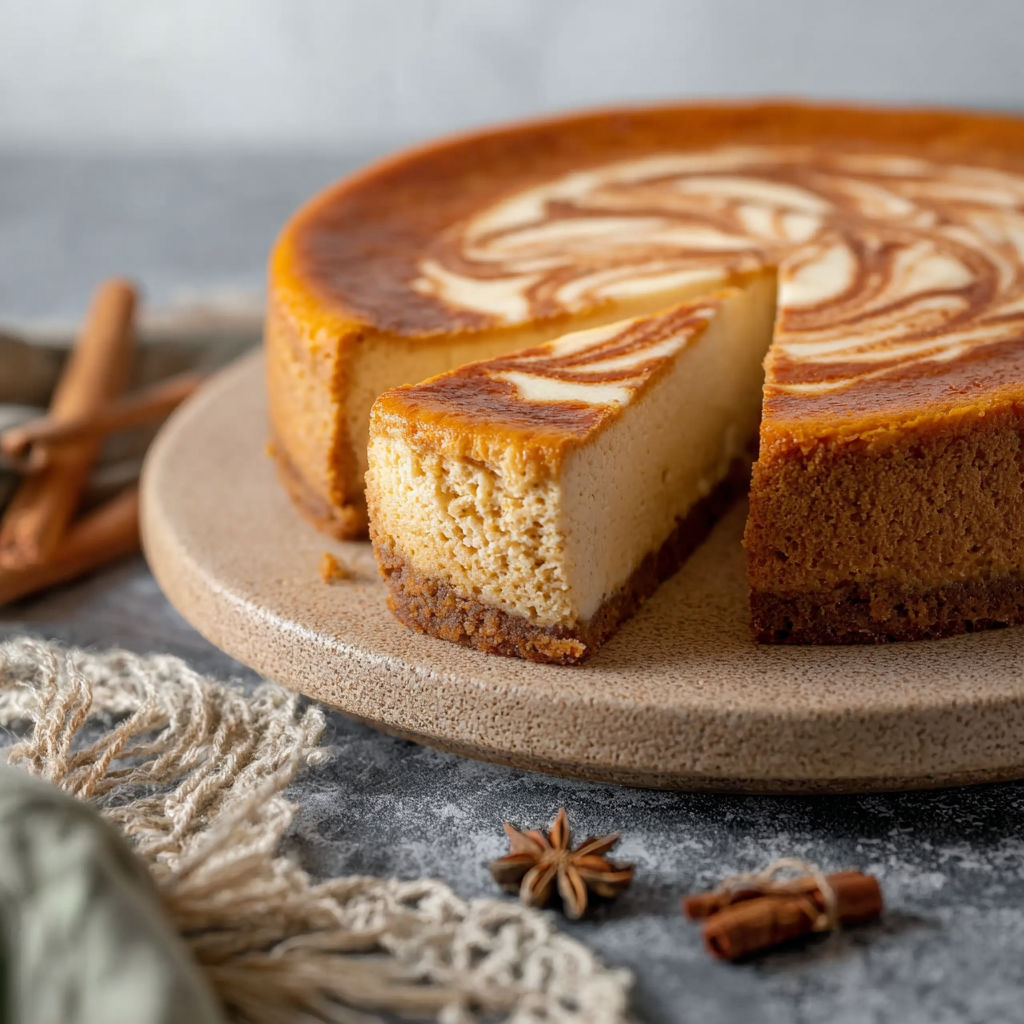
There's something magical about sinking your fork into a slice of pumpkin swirl cheesecake on a crisp autumn evening. This recipe captures the cozy essence of fall with every creamy, spiced bite, making it a favorite for holiday gatherings, potlucks, and Sunday suppers alike. The dreamy marbled texture-where velvety pumpkin meets tangy cheesecake-is simply irresistible, and the gluten-free crust option makes it welcoming to all your guests. Whether you're a seasoned baker or a first-timer, this cheesecake will become a treasured centerpiece at your table.
What Makes This Recipe Special
- The marbled swirl is achieved by carefully dividing the batter and folding in the pumpkin spice mixture, creating a beautiful gradient of flavors that's as stunning as it is delicious.
- A gluten-free graham cracker or almond flour crust adds a nutty depth that balances the sweetness of the cheesecake, making it a standout even for those avoiding gluten.
- The spice blend-just cinnamon, nutmeg, and ginger-is perfectly balanced to enhance the pumpkin without overpowering it, allowing the autumnal flavors to shine.
- Baking on a baking sheet placed on the lower oven rack prevents the crust from burning while ensuring the cheesecake sets evenly, avoiding that dreaded soggy bottom.
Ingredients
1 1/2 cupsgraham cracker crumbs (substitute with gluten-free graham crackers or almond flour if desired)
1/4 cupgranulated sugar
1/3 cupunsalted butter, melted
16 ouncescream cheese, softened
2/3 cupgranulated sugar
2 teaspoonspure vanilla extract
2 largeeggs
3/4 cuppumpkin puree
1/2 teaspoonground cinnamon
1/4 teaspoonground nutmeg
1/8 teaspoonground ginger
Nutrition
350 caloriesCalories
Per serving · Values are estimates
Instructions
1
Preheat oven to 325°F (163°C). Line a 9-inch springform pan with parchment paper for easy removal.
2
Combine graham cracker crumbs, melted butter, and sugar in a bowl. Press mixture firmly into the bottom of the prepared pan to form a compact crust.
3
In a large bowl, beat softened cream cheese with sugar and vanilla until smooth. Add eggs one at a time, mixing well after each addition.
4
Divide cream cheese batter evenly into two portions. Blend pumpkin puree, cinnamon, nutmeg, and ginger into one half until smooth.
5
Pour half of the plain batter over the crust. Drop spoonfuls of pumpkin batter on top. Use a knife to create a marbled swirl. Repeat with remaining batter.
6
Bake on the center rack for 60-70 minutes, or until edges are slightly puffed and center is almost set. Place a baking sheet underneath if needed to catch drips.
7
Allow cheesecake to cool completely, then refrigerate for at least 4 hours or overnight for best texture.
8
Unmold cheesecake, slice, and serve chilled. Enjoy with spiced chai or vanilla ice cream for an elevated dessert experience.
Essential Tips
Room temperature ingredients
Ensure your cream cheese and eggs are at room temperature before starting. This prevents lumps and creates a silky-smooth batter that blends effortlessly with the pumpkin puree.
Gentle swirling technique
Use a butter knife or small offset spatula to create the marbled effect. Start from the center and work outward in a circular motion, but don't overmix-you want distinct ribbons of pumpkin and cheesecake for maximum visual appeal.
Avoid overbaking
The cheesecake is done when the edges are slightly puffed and the center is still slightly jiggly. It will firm up as it cools, so resist the urge to bake until it's completely set-overbaking leads to cracks and a dry texture.
Cooling is key
Let the cheesecake cool gradually in the turned-off oven with the door slightly ajar for about an hour. This prevents dramatic temperature shifts that can cause cracking. Then refrigerate overnight for the best texture.
Garnish for extra flair
Top with whipped cream, candied pecans, or a drizzle of caramel sauce before serving. A sprinkle of pumpkin pie spice adds a final touch of autumn elegance that elevates the presentation without extra effort.
Smart Swaps & Variations
Chocolate Swirl
Fold 1/2 cup melted dark chocolate into half of the plain cheesecake batter before layering. The rich chocolate pairs beautifully with the spiced pumpkin for a decadent twist.
Pecan Crust
Replace graham cracker crumbs with finely chopped pecans mixed with 2 tablespoons brown sugar and melted butter. The nutty crust adds a delightful crunch and earthy flavor.
Dairy-Free
Use dairy-free cream cheese and coconut oil-based butter in the crust. For the batter, substitute eggs with flax eggs (1 tablespoon ground flaxseed + 3 tablespoons water per egg) and ensure pumpkin puree is unsweetened.
Pumpkin Spice Level
Adjust the spices to taste-add a pinch of cloves for warmth or reduce cinnamon if you prefer a milder flavor. Taste the pumpkin batter before folding to ensure it meets your spice preferences.
What to Serve With This
- Warm spiced chai tea or apple cider for a cozy autumnal pairing.
- Vanilla bean ice cream or whipped cream to cut through the richness.
- Salted caramel sauce drizzled over each slice for a sweet contrast.
- Fresh apple slices or a simple autumn salad for a balanced dessert spread.
Storage & Reheating
Storage
Store the cheesecake wrapped tightly in plastic wrap or in an airtight container in the refrigerator for up to 5 days. The flavors will deepen over time, making it even more delicious the next day.
Reheating
For the best texture, serve the cheesecake chilled straight from the fridge. If you prefer it slightly warmer, let it sit at room temperature for 15-20 minutes before serving-never microwave it, as this can make the texture grainy.
Expert Chef Tips
- For an extra-smooth cheesecake, strain the batter through a fine-mesh sieve after blending to remove any tiny lumps. This step is often skipped but makes a noticeable difference in the final texture.
- Place a baking sheet on the lower oven rack *before* preheating to prevent the crust from browning too quickly. The pre-warmed sheet helps regulate the bottom heat and ensures even baking.
- If cracks do appear, don't panic! Simply cover them with a layer of whipped cream or a dusting of powdered sugar before serving. The filling is still perfectly delicious underneath.
Equipment You’ll Need
- 9-inch springform pan
- parchment paper
- stand mixer or hand mixer
- fine-mesh sieve (for straining batter, optional but recommended)
- baking sheet
Nutritional Benefits
- This cheesecake is rich in calcium and protein from the cream cheese, contributing to bone health and muscle maintenance.
- Pumpkin puree adds fiber and vitamin A, which supports immune function and eye health, while keeping the dessert relatively low in calories for its indulgent texture.
- The gluten-free crust option makes this recipe suitable for guests with gluten sensitivities without sacrificing flavor or texture.
- Using unsalted butter allows you to control the sodium content, making it easier to enjoy in moderation while keeping the dish flavorful.
Reviews
No written reviews yet — be the first to cook this and share how it turned out!
Leave a Review
Frequently Asked Questions
Can I use canned pumpkin instead of pumpkin puree?
Yes, canned pumpkin (not pumpkin pie filling) works perfectly. Just drain any excess liquid by pressing it through a fine-mesh sieve to avoid a watery batter.
Why did my cheesecake crack?
Cracks often occur due to overmixing or overbaking. Ensure you're mixing just until combined and pulling the cheesecake out when the center is still slightly jiggly. The gradual cooling step also helps prevent cracks.
Can I make this cheesecake ahead of time?
Absolutely! This cheesecake tastes even better after 24 hours in the fridge, as the flavors meld together. It can be made up to 3 days ahead and stored covered in the refrigerator.
What's the best way to unmold the cheesecake without it falling apart?
Run a thin knife around the edges of the springform pan before releasing the latch. If the sides stick slightly, warm the knife by dipping it in hot water for a few seconds before running it around the pan again.
Can I freeze pumpkin swirl cheesecake?
Yes, slice it first for easy serving later. Wrap each slice tightly in plastic wrap and aluminum foil, then freeze for up to 3 months. Thaw overnight in the fridge before serving.
How do I prevent the crust from getting soggy?
Press the crust firmly into the pan and pre-bake it for 5-7 minutes at 325°F (163°C) before adding the batter. This creates a barrier that helps keep it crisp.
Can I reduce the sugar in this recipe?
You can reduce the sugar slightly, but be cautious-cheesecake relies on sugar for structure and texture. If you reduce it by more than 1/4 cup, consider adding a bit of honey or maple syrup for moisture.
What's the best way to measure pumpkin puree?
Spoon the pumpkin puree into your measuring cup and level it off with a spatula. Packing it down can lead to an incorrect measurement and a dense batter.
More Sweet Comfort
🔒 From the Vault — 43,000+ premium recipes
Cook This Next