1:1 and 2:1 Cornstarch Substitute: Exact Ratios and Why Arrowroot
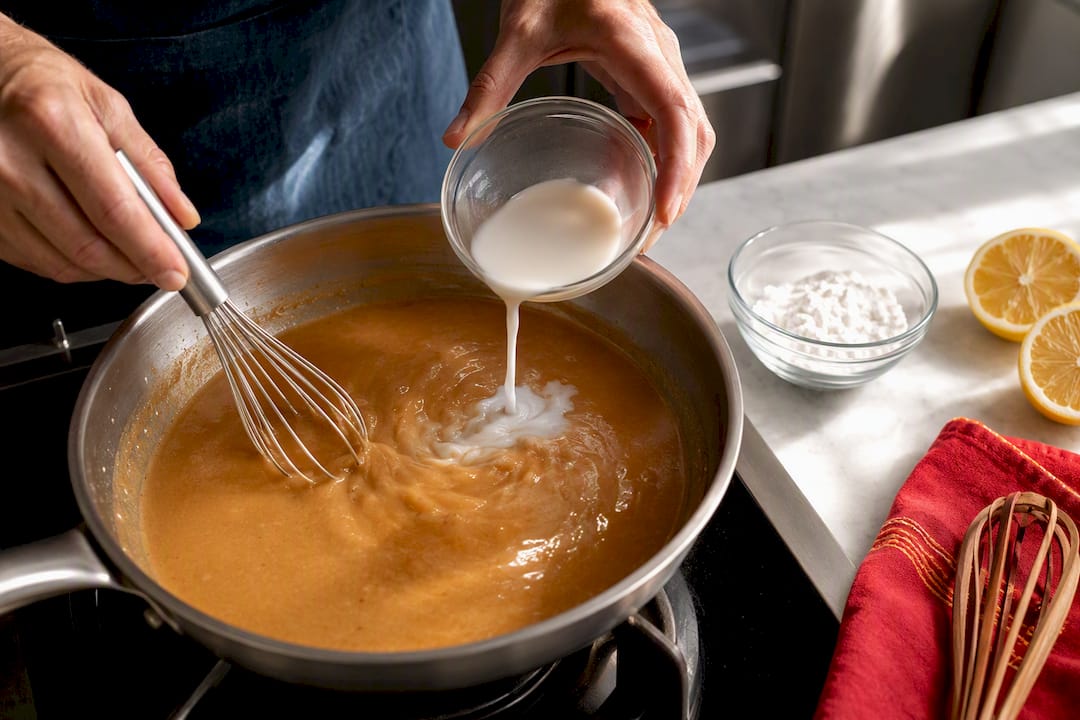
Out of cornstarch and mid-recipe? Reach for all-purpose flour at a 2:1 ratio for gravies, arrowroot at 1:1 for glossy sauces that might see the freezer, potato starch 1:1 for anything neutral tasting, or rice flour for a gluten-free swap that still runs pale and clear. Frying needs a starch, not flour alone, and pie fillings do best with a root starch. Exact ratios and technique below.
TL;DR:
- Arrowroot powder offers a clear, glossy finish and withstands freezing and reheating better than cornstarch, making it ideal for sauces needed in advance.
- Tapioca starch provides a glassy sheen in pie fillings and may require doubling to achieve the desired thickness, depending on the brand.
- All-purpose flour thickens sauces at a 2:1 ratio and adds opacity and texture, but it needs time to cook out its raw flavor and may produce a matte appearance.
- Potato starch is a nearly one-to-one substitute that should be added near the end of cooking to prevent breakdown, especially in temperature-sensitive recipes.
- Hydrocolloids like xanthan gum or guar gum require only tiny amounts and are suitable for low-carb or gluten-free diets but can become slimy if overused.
Table of Contents
- What Can Replace Cornstarch in Your Pantry Right Now?
- Which Substitute Works Best for Sauces, Frying, and Baking?
- How to Substitute Cornstarch Step by Step
- Choosing a Gluten-Free or Low-Carb Cornstarch Alternative
- Why Your Substitute Turned Out Grainy, Slimy, or Runny
- Which cornstarch substitute actually earns a permanent spot in your pantry?
- Sources
- FAQ
What Can Replace Cornstarch in Your Pantry Right Now?
Every cornstarch substitute falls into one of three families: grain flours, root and tuber starches, or hydrocolloids. Each behaves differently once heat, acid, or freezing enters the picture, so picking blind is how sauces turn cloudy or pie filling weeps overnight.
Here’s how the main options actually perform in a pan, not just on a label.
- All-purpose flour: Use about 2 tablespoons for every 1 tablespoon of cornstarch called for. Flour carries protein and fiber alongside its starch, so it thickens with roughly half the power of pure cornstarch, which is why the ratio doubles. It also leaves an opaque, slightly matte finish rather than the glassy shine cornstarch gives, and raw flour tastes chalky until it cooks for a few minutes. A roux, meaning flour cooked in fat before liquid goes in, sidesteps that raw flavor entirely. This is your best bet for gravies, chowders, and pot pie filling where a little cloudiness is expected anyway.
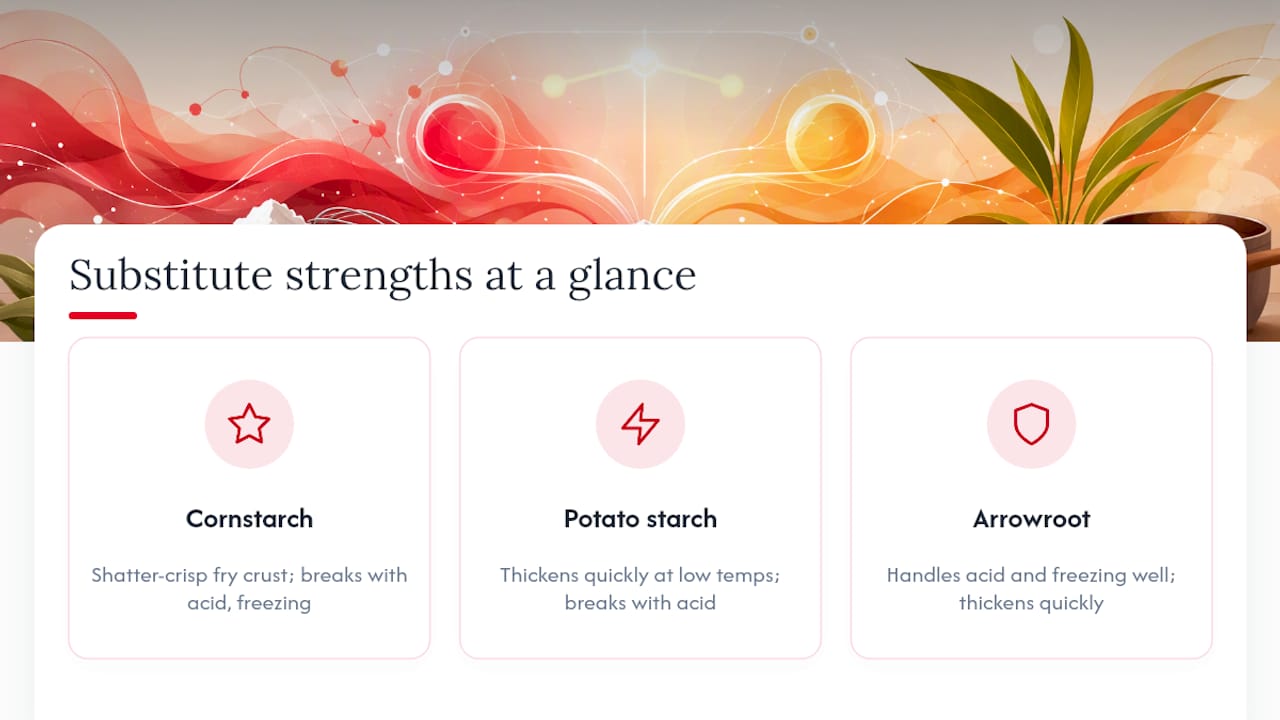
- Arrowroot powder: Swap it in 1:1. Arrowroot produces a clear, glossy finish and, unlike cornstarch, doesn’t turn slimy when it meets something acidic like citrus or wine. It also freezes and reheats without breaking down the way cornstarch sometimes does, which makes it the better choice for sauces you plan to freeze for later.
- Tapioca starch: This is where guidance actually splits. Some cooks use it 1:1, others double it to 2:1 depending on the brand and how fine the starch is milled. Start with a 1:1 swap, taste and check thickness, then add more only if needed. Tapioca gives fruit pie fillings that glassy sheen bakers want, plus a faint chew that cornstarch doesn’t produce.
- Potato starch: Nearly a straight 1:1 substitute, with a flavor so neutral you won’t notice it’s there. The catch: boil it too long and it breaks down, thinning a sauce you already thickened. Stir it in near the end of cooking rather than letting it simmer for twenty minutes.
- Rice flour: Use about 2:1, the same doubling logic as wheat flour. It keeps liquids noticeably paler and less opaque than wheat flour, making it a solid pick when you want a gluten-free thickener that still looks fairly clean in a light soup or sauce.
- Ground flaxseed or psyllium husk: Neither thickens a stovetop sauce the way starch does. Instead, mix ground flax with water and let it sit until it turns gel-like, then use that gel in baking as a binder or in a cold sauce base. It adds a mild nutty flavor and noticeable fiber, so it fits banana bread better than beef stew.
- Hydrocolloids (xanthan gum, guar gum, glucomannan): These need only a fraction of a teaspoon per cup of liquid to work. Xanthan gum in particular thickens at a fraction of the volume starches require, which makes it popular for low-carb cooking and for sauces you want thick even when cold. Overdo it, though, and you get a slimy, stringy texture that’s hard to fix once it sets in.
If you’re weighing flour against cornstarch generally, the real difference comes down to clarity and strength: cornstarch is roughly twice as effective by volume and dries clear, while flour stays cloudy and needs real cook time to lose its raw edge.
Which Substitute Works Best for Sauces, Frying, and Baking?
Matching the substitute to the job matters more than memorizing every ratio. Here’s how the main options sort by what you’re actually cooking.
Sauces and stir-fries want a glossy finish and quick thickening, which points to arrowroot or potato starch. Root starches thicken fast at lower temperatures and don’t need a long simmer to look finished. Flour works fine for heartier sauces like country gravy, where a matte, rustic look is part of the appeal anyway, but you’ll need to cook it a few extra minutes to kill the raw taste. A tested pan sauce recipe shows how quickly a root starch slurry comes together over medium heat.
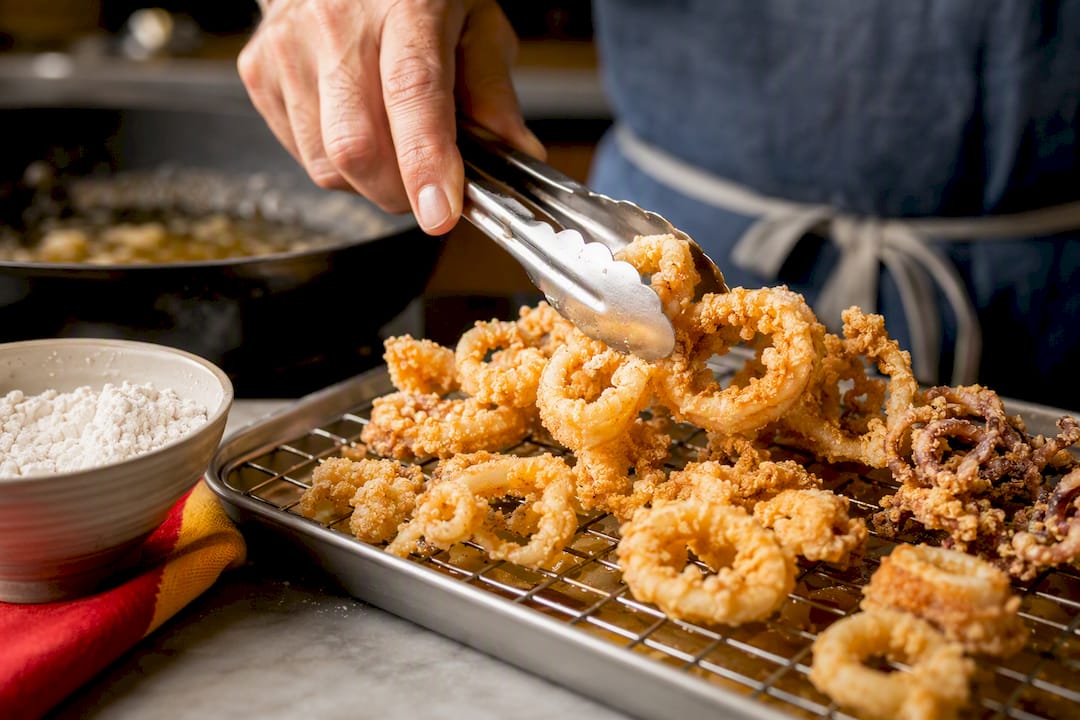
Frying and breading is the one place a lone flour substitute usually disappoints. Cornstarch creates that shatter-crisp coating fried chicken and calamari are known for because it doesn’t absorb oil the way flour does. Potato starch or rice flour, used alone or blended half and half with flour, gets you closer to that crunch than flour by itself ever will.
Baking rarely calls for cornstarch as the main structure, but it does show up in fillings, custards, and as a cornstarch substitute in cookie recipes that need a tender crumb. Swap in tapioca or potato starch at similar ratios for custards and puddings. For a binder role, like holding a vegan cookie dough together, a flax gel replaces the egg or starch function reasonably well, though it will add a slightly denser bite.
Pie fillings and fruit glazes need clarity and freeze-thaw stability, which rules flour out almost entirely. Tapioca and arrowroot both stay clear after baking and hold up in the freezer, while cornstarch-thickened fillings can turn watery once thawed. If you’re prepping a fruit pie ahead of a holiday, that stability is the whole reason to reach for a root starch instead of whatever’s already in the pantry.
Acid and freezer stability separate these substitutes fast. Cornstarch and potato starch both tend to break down around citrus, wine, or vinegar, thinning a sauce that looked perfect five minutes earlier. Arrowroot handles acid and freezing better than either one, which is why so many lemon curd and cranberry sauce recipes lean on it specifically.
How to Substitute Cornstarch Step by Step
Getting the ratio right is only half the job. Technique decides whether your substitute thickens smoothly or turns into a lumpy mess.
- Pick your ratio first. Use 2 tablespoons flour, 1 tablespoon arrowroot, 1 tablespoon potato starch, 1 tablespoon tapioca starch (start here, adjust up if needed), or 2 tablespoons rice flour for every 1 tablespoon of cornstarch the recipe lists.
- Make a slurry for stovetop cooking. Whisk your starch into an equal amount of cold water before it touches anything hot. Cold water first is the standard advice across trusted cooking sources, because starch dropped straight into hot liquid clumps instantly.
- Build a roux only for flour. Cook flour in butter or oil for two to three minutes before adding liquid. This step is what removes the raw, pasty taste that plain flour otherwise carries into a finished sauce.
- Add starch slurries near the end of cooking, not at the start. Most starches thicken within a minute or two of hitting a simmer, so stirring one in early just means it has more time to break down later.
- Watch the heat once it’s thickened. Potato starch and cornstarch both weaken if you keep them at a hard boil for more than a few minutes. Drop to a gentle simmer as soon as the sauce reaches the thickness you want.
- Time it to the dish. Stir a slurry into stir-fry sauce in the last thirty seconds of cooking. For stews or pie filling, add it once the fruit or meat has already released most of its liquid, so you’re thickening the actual volume you’ll serve.
- Fix a sauce that’s too thick by whisking in warm water or stock a tablespoon at a time.
- Fix a sauce that’s too thin by mixing a fresh small slurry, roughly a teaspoon of starch to a teaspoon of cold water, and stirring it in over low heat until it sets up.
Choosing a Gluten-Free or Low-Carb Cornstarch Alternative
Arrowroot, tapioca starch, potato starch, and rice flour are all naturally gluten-free and safe swaps for anyone avoiding wheat. Skip all-purpose flour entirely here since it’s the one mainstream option that isn’t.
For low-carb cooking, xanthan gum or glucomannan thicken at a fraction of a teaspoon per cup of liquid, which keeps carb counts nearly untouched compared to a starch-based sauce. Dose them slowly. Nut flours like almond flour don’t thicken liquid the way starch does. They work better as a binder in baked goods than as a sauce thickener.
If you’re buying a substitute rather than pulling one from the pantry, check the label for “modified food starch.” It’s sometimes wheat-derived, so anyone with celiac disease should confirm the source grain before using it. Hearthlyrecipes’ gluten-free recipe collection sticks to root starches and rice flour for exactly this reason.
Why Your Substitute Turned Out Grainy, Slimy, or Runny
Grainy or pasty sauces almost always mean flour that didn’t cook long enough. Simmer it another few minutes, or strain the sauce through a fine sieve to smooth it out.
A sauce that thickened beautifully and then thinned back out usually hit too much heat, too much acid, or both. Potato starch and cornstarch are the most heat-sensitive; if you’re cooking with citrus or wine, arrowroot holds up better next time. Hydrocolloids gone slimy or stringy mean you added too much at once. Whisk in a splash of warm water to dilute, and next time add xanthan or glucomannan in tiny increments, tasting between each addition.
Pro Tip: Keep a spare tablespoon of your substitute measured out before you start cooking. If a sauce breaks or thins unexpectedly, you’ll have a fresh slurry ready in seconds instead of scrambling mid-dinner.
Which cornstarch substitute actually earns a permanent spot in your pantry?
Arrowroot is a preferred substitute mainly because it does the one thing cornstarch does best, that glassy shine, without turning gluey once a sauce cools or gets reheated the next day.
A weeknight pan sauce is the easiest place to see the difference: swap arrowroot in 1:1 for the pan drippings in a tested sauce recipe, and it comes together just as fast as cornstarch would, with better freezer manners if you’re saving leftovers. One thing the test kitchen learned the hard way: whisk arrowroot into cold liquid, never straight into a hot pan, or you’ll be fishing out lumps instead of plating dinner. For more tested techniques and a full recipe library to practice on, browse the recipe vault.
— Susan Scortberg
Sources
- The 11 Best Substitutes for Cornstarch — Healthline
- Plainpaper
- The Best Cornstarch Substitutes — Martha Stewart
FAQ
What can I use if I don’t have cornstarch?
All-purpose flour (2:1), arrowroot powder (1:1), potato starch (roughly 1:1), or tapioca starch (start 1:1) all work depending on whether you need a glossy finish, freezer stability, or a rustic gravy texture.
What can I use instead of cornstarch for a gluten-free recipe?
Arrowroot, tapioca starch, potato starch, and rice flour are all naturally gluten-free and safe substitutes; regular wheat flour is the only common option to avoid.
Can you use flour instead of cornstarch?
Yes, at about a 2:1 ratio, though flour gives an opaque, matte finish rather than cornstarch’s clear shine and needs a few extra minutes of cooking to lose its raw taste.
Can I use all-purpose flour instead of corn starch in baking?
Flour can work in some fillings and custards, but it won’t produce the same clear, glossy set cornstarch gives pie fillings, so a root starch like tapioca or arrowroot is usually the better baking swap.