Low Sugar Desserts: Ideas, Swaps and Label Tips

A low sugar dessert is one where the sweetness comes mostly from fruit, spices and small amounts of sweetener, and where you can check the numbers on the label or in the recipe. You do not need to give up dessert. You need to know which swaps work, what the label claims mean, and how big a serving to plate. This guide covers all three, with ideas you can make tonight.
TL;DR
- “Sugar free” means less than 0.5 grams of sugars per serving. “No added sugar” only means none was added during processing, so the food can still contain natural sugars.
- In baking, mashed ripe banana or apple butter can replace up to half the sugar. Vanilla and cinnamon make desserts taste sweeter without adding any.
- On a label, compare Total Sugars and Added Sugars. Under 5% Daily Value for added sugar is low, and over 20% is high.
- If you have diabetes, count carbohydrates and serving size, not just sugar, and ask your care team for your own targets.
Table of Contents
- What “low sugar” really means
- Low sugar dessert ideas that work at home
- How to cut sugar in a recipe without ruining it
- Read the label before you trust the claim
- Diabetes-friendly desserts: carbs and portions matter
- A sample dessert plan for the week
- Serving low sugar desserts to a crowd
- Our perspective on lighter desserts
- Find your next dessert on Hearthly Recipes
- FAQ
- Sources
What “low sugar” really means
The phrases on packages sound alike, but they are not the same thing. According to the American Heart Association, a sugar-free product contains less than 0.5 grams of sugars per serving, while no added sugar means no sugar or sugar-containing ingredient was added during processing or packaging. A “no sugar added” dessert made with fruit juice concentrate or a lot of dried fruit can still carry a good deal of sugar.
There is also a “reduced sugar” or “less sugar” claim. Michigan State University’s extension summary of FDA rules says it means at least 25% less sugar than the reference food. That is a comparison with another product, not a promise that the dessert is low in sugar.

For homemade desserts there is no label, so the working definition is simpler: you cut the sugar in the recipe, you let fruit and spices carry the sweetness, and you keep the portion sensible. The rest of this guide is about doing that well.
Low sugar dessert ideas that work at home
The best low sugar desserts are not trimmed-down versions of a frosted layer cake. They start from foods that are already sweet or that taste good with very little sweetener. Here are the categories that hold up in a real kitchen.
Fruit-forward desserts
Fruit is the easiest place to start because it brings sweetness, fiber and moisture at once.
- Baked apples or pears. Core them, fill with chopped walnuts, cinnamon and a spoonful of oats, and bake until soft. The fruit caramelizes in the oven, so you often need no added sweetener at all.
- Berry crisp with an oat topping. Use plenty of berries, a squeeze of lemon, and a topping of rolled oats, chopped nuts, cinnamon and a small amount of butter. Sweeten the topping lightly.
- Yogurt and berry parfaits. Layer plain Greek yogurt, fresh berries and crushed nuts. Add a drop of vanilla to the yogurt.
- Frozen banana bites. Slice ripe bananas, dip in melted dark chocolate, and freeze on a tray. A small piece of chocolate goes a long way.
Creamy, spoonable desserts
- Chia pudding. Stir chia seeds into milk or a milk alternative with vanilla and cinnamon, then chill overnight. Top with raspberries.
- Chocolate avocado mousse. Blend ripe avocado with unsweetened cocoa, a little sweetener of your choice and vanilla. Taste, then adjust in small steps.
- Ricotta or cream cheese cups. Whip ricotta with lemon zest and vanilla, then spoon over sliced strawberries or peaches.
Baked treats
- Banana oat cookies. Mashed ripe bananas and oats make a soft cookie with very little added sugar. Add cinnamon, a few chocolate chips or chopped nuts.
- Applesauce muffins. The Cleveland Clinic lists applesauce mini-muffins at 4 grams of sugar, 60 calories and 10 grams of carbohydrate per serving, which shows how small a well-built baked treat can be.
- Peanut butter balls. The same source lists simple peanut butter balls at 5.2 grams of sugar, 198 calories and 9.9 grams of carbohydrate per serving. They are richer in calories, so they suit a small portion.
If you want a place to practice dessert technique before you start trimming sugar, our Cozy Spiced Apple Zucchini recipe shows how fruit, vegetables and warm spices work together in a baked dish.
How to cut sugar in a recipe without ruining it
Sugar does more than sweeten. In baking it adds moisture, browning and tenderness, which is why simply deleting it often gives a dry, pale result. Change one thing at a time and the recipe stays reliable.
Replace part of the sugar with fruit
The American Diabetes Association’s Diabetes Food Hub says that in baked goods, fruit purées such as mashed ripe banana or apple butter can replace up to half the sugar, though the extra moisture may mean a longer baking time. In practice:
- Start with a recipe you already like, such as muffins, quick bread or oatmeal cookies.
- Cut the sugar by one quarter to one half, not more on the first try.
- Add an equal volume of fruit purée in place of the sugar you removed, and reduce other liquid slightly if the batter looks loose.
- Bake a few minutes longer if the center is damp. Test with a toothpick.
Homemade apple butter is handy here. A slow cooker batch like our Crockpot Apple Butter can go into muffins, swirl into oatmeal or spread on toast. Check the sugar in your own batch, since it depends on how you make it.
Let flavor do the work
The same source notes that pure vanilla extract may make food seem slightly sweeter, and cinnamon or other sweet spices can elevate dessert flavors. Nutmeg, cardamom, ginger, orange zest and a pinch of salt also sharpen sweetness, so a smaller amount of sugar tastes like more.
Choose a sweetener on purpose
The same page says naturally derived zero-calorie sweeteners like stevia or monk fruit can add sweetness without the same impact on blood glucose as typical sugar. They work well in no-bake desserts, mousses, whipped cream and chilled puddings. In baking, they do not brown or add bulk the way sugar does, so combine them with fruit purée or use a baking blend made for the purpose and follow its package directions.
The FDA also describes rarer options. It says some sugars, such as allulose, are metabolized differently than traditional sugars and may provide fewer calories and lead to lower blood glucose and insulin levels. It adds that sugar alcohols are a different class of sweeteners, slightly lower in calories than traditional sugar. Knowing which type is in a product helps you read the ingredient list.
Quick swap guide
| If the recipe has | Try this | What to watch |
|---|---|---|
| Sugar in muffins or quick bread | Replace up to half with mashed banana or apple butter | Bake time may run longer |
| A plain, flat flavor | Pure vanilla, cinnamon, citrus zest | Add a little at a time |
| Sweetened whipped topping | Whipped cream with vanilla and a pinch of sweetener | Taste before adding more |
| Syrup or jam over fruit | Mashed fresh berries with lemon | Use fresh fruit within a day or two |
| A large slice of cake | A smaller portion with berries and yogurt | Portion is the biggest lever |
Read the label before you trust the claim
Store-bought low sugar desserts range from genuinely modest to sweet treats with a health-sounding front label. The Nutrition Facts panel is where the truth sits. The American Heart Association warns that package sugar claims can be misleading, so check the panel and the ingredients list together.
What to compare:
- Total Sugars and Added Sugars. The FDA’s label lets you track total carbohydrate, which includes fiber and sugars, along with added sugars, so you can choose products lower in added sugars.
- % Daily Value for added sugars. As summarized by Michigan State University, under 5% DV is low in added sugar, and over 20% DV is high.
- Serving size. A tiny serving can make a number look good. Check whether the serving matches what you would really eat.
- Ingredients. Sugar has many names. If syrups, juice concentrates or sweeteners appear near the top, the dessert is sweeter than the front label suggests.
- Sweetener type. Sugar alcohols and other low-calorie sweeteners are listed in the ingredients, and it helps to know which one you are buying.
Diabetes-friendly desserts: carbs and portions matter
People searching for diabetic friendly desserts often want a single safe recipe. There is no universal one, because blood glucose responds to the total carbohydrate you eat, not sugar alone, and individual needs differ. What helps is a way to judge any dessert.
Count carbohydrates, not only sugar
A dessert with no added sugar can still be high in carbohydrate if it is built on flour, oats, dried fruit or fruit juice. Look at total carbohydrate on the label or in the recipe’s nutrition information, then fit it into the amount your care team recommends for a meal or snack.
Fruit is a simple reference point. The American Diabetes Association notes that a small piece of whole fruit or about 1/2 cup of frozen or canned fruit has about 15 grams of carbohydrate. That makes a baked apple half or a small bowl of berries easy to count.

Use the plate
The ADA Diabetes Plate uses a 9-inch plate: half non-starchy vegetables, one quarter lean protein, and one quarter quality carbohydrates such as fruit. If dessert is fruit-based, it can take the place of the carbohydrate quarter at a meal, rather than being added on top of a full plate of starch.
Are sugar-free desserts automatically safe?
No. Sugar free describes sugars, not carbohydrates or calories. A sugar-free brownie can still contain refined flour and starch, so check total carbohydrate as well. If you take insulin or other glucose-lowering medication, ask your doctor, certified diabetes care and education specialist or registered dietitian how to count a dessert in your plan.
Pregnancy and gestational diabetes
If you have gestational diabetes, the ADA advises limiting sweet foods and drinks and sweeteners, including sugar, honey, syrup, agave and regular soda, and says non-nutritive sweeteners can be used in moderation. Ask your obstetric provider or dietitian which desserts fit your own targets before you try new recipes.
A sample dessert plan for the week
A realistic approach beats a perfect one. Here is a simple rotation that keeps dessert in the week without big sugar swings:
- Monday: Greek yogurt with berries and cinnamon. Five minutes, no cooking.
- Wednesday: Baked apple halves with oats and walnuts, served warm.
- Friday: A small portion of something richer, such as a square of dark chocolate with strawberries, or a muffin made with half the sugar.
- Sunday: A batch bake, such as banana oat cookies. Freeze half so you are not tempted to finish the tray.
Batch baking and freezing is the quiet trick behind many successful low sugar routines. Portions are set before you sit down, and you are never staring at a whole cake.
Serving low sugar desserts to a crowd
Guests rarely notice when dessert is lighter if it looks generous. A few habits help:
- Serve in small glasses or ramekins. Parfaits and mousses look elegant and the portion is built in.
- Offer a topping bar: berries, toasted nuts, unsweetened coconut, a little dark chocolate. Guests add what they like.
- Put out a regular dessert next to a lighter one. Nobody is singled out, and many people pick the fruit-based option.
- Label allergens, especially nuts, which show up often in low sugar baking.
Our perspective on lighter desserts
We test every recipe on Hearthly Recipes, and we double-check measurements, instructions and cooking times, because a dessert that fails halfway through is the fastest way to lose a home cook’s trust.
When readers ask us for lower sugar desserts, we see the same pattern: they do not want a lecture, they want a result that tastes like dessert. That is why we favor changes that are easy to repeat. Swap part of the sugar for fruit purée, lean on vanilla and cinnamon, bake a smaller batch, and serve smaller portions. Small adjustments to a recipe you already love beat a big overhaul you will abandon after one try.
We also write our recipes without long stories before the steps, so you can see the ingredients and the method quickly and decide how you want to adapt them. Read the reviews and community tips on a recipe before you change it, since other cooks often report what worked.
Susan Scortberg
Find your next dessert on Hearthly Recipes
Our catalog is built for everyday cooks: step-by-step instructions, ratings from people who made the dish, and categories by cooking method, diet and cuisine. If you want to practice a dessert technique that you can adapt later with the swaps above, start with our Cherry Pistachio Cheesecake Dessert or the Cherries in the Snow Dessert, then check each recipe’s ingredients against the label tips above.
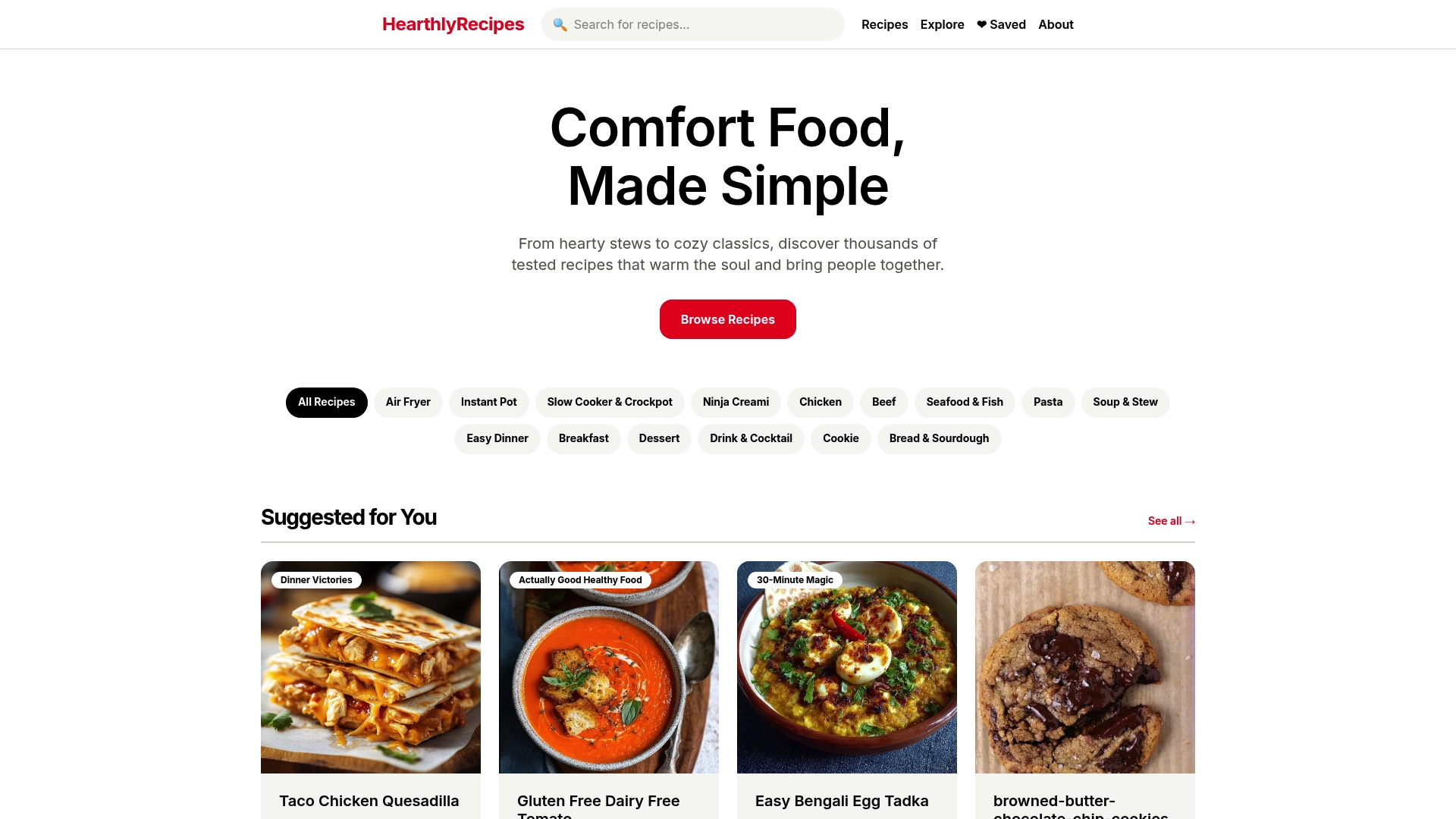
Browse the full collection of comforting recipes, from air fryer snacks to slow cooker favorites, on the Hearthly Recipes home page, and read the notes from other cooks before you start.
FAQ
What is the best dessert for someone with diabetes?
There is no single best dessert, because it depends on your carbohydrate target and medication. A good starting point is a fruit-based dessert in a measured portion, since about 1/2 cup of frozen or canned fruit or one small piece of whole fruit has about 15 grams of carbohydrate, according to the ADA. Ask your doctor or dietitian how to fit it into your meals.
Are sugar-free desserts okay for diabetics?
Often they can fit, but sugar free only tells you about sugars, not total carbohydrate or calories. Check the total carbohydrate line, the serving size and the sweetener in the ingredients. Sugar alcohols and sugars such as allulose are handled differently from regular sugar, so read which one a product uses.
What is the difference between sugar free and no sugar added?
Sugar free means less than 0.5 grams of sugars per serving. No sugar added means no sugar or sugar-containing ingredient was added during processing or packaging, but the food may still have natural sugars from fruit or milk. Compare the Total Sugars and Added Sugars lines to see the real difference.
How can I make a dessert with less sugar without it tasting bland?
Replace up to half the sugar in baked goods with mashed ripe banana or apple butter, then add pure vanilla extract and cinnamon or other warm spices. Expect a slightly longer bake time because of the extra moisture. Make one change at a time so you know what worked.
What dessert won’t spike my blood sugar?
No dessert is guaranteed to have no effect, because responses vary from person to person. Smaller portions, fruit-based recipes and a lower total carbohydrate count are the usual ways to keep the impact modest. If you monitor your glucose, test how you respond to a new dessert and share the results with your care team.
Sources
- What’s the Difference Between Sugar Free and No Added Sugar? (American Heart Association)
- Sugar Label Claims (Michigan State University Extension)
- Sugars That Are Metabolized Differently Than Traditional Sugars (FDA)
- Interactive Nutrition Facts Label: Total Carbohydrate (FDA)
- Best Fruit Choices for Diabetes (American Diabetes Association)
- 6 Diabetes-Friendly Desserts (Cleveland Clinic)
- Diabetes Plate for Gestational Diabetes (American Diabetes Association)