Easy Mediterranean Diet Recipes for Everyday Cooking
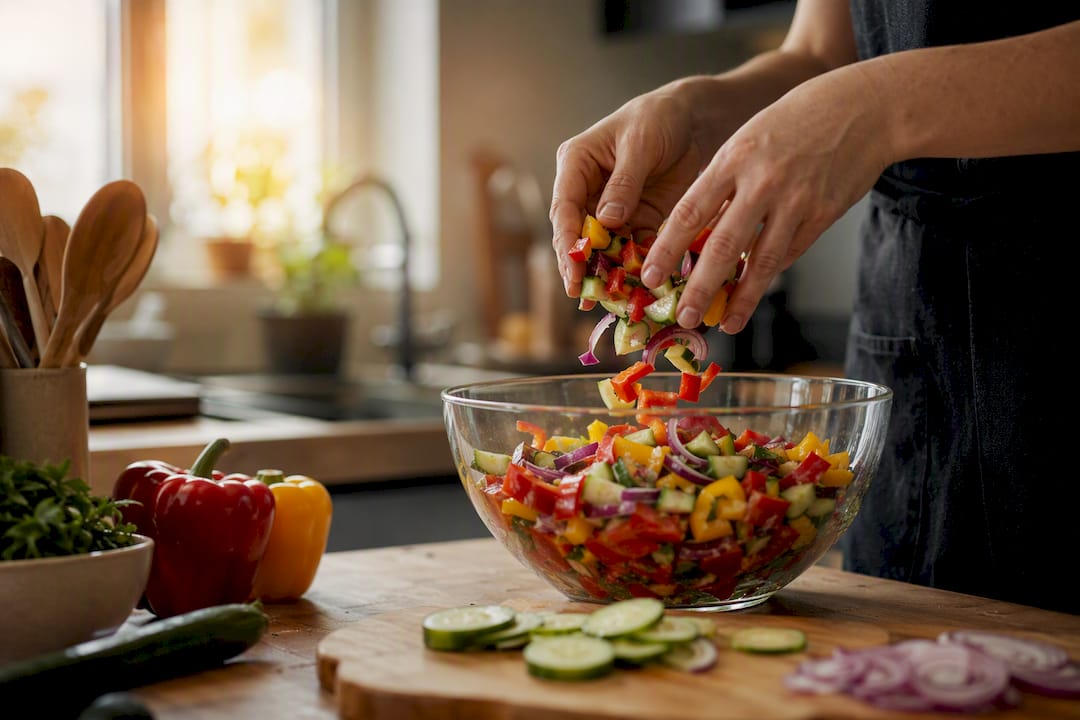
For most weeknights, the smartest move is picking vegetable-forward Mediterranean recipes built around extra-virgin olive oil, beans or whole grains, and a simple protein. Group your options by category, seafood, chicken, plant-forward bowls, soups, and sheet-pan dinners, and you’ll always have something ready in 30 to 40 minutes. Most of the best Mediterranean diet recipes lean on 10 ingredients or fewer, which is exactly why they survive on busy nights when fancier cooking doesn’t.
Here’s where to start tonight:
- Cook tonight: seafood — baked cod with lemon and dill, ready in 25 minutes.
- Cook tonight: chicken — sheet-pan Greek chicken with potatoes and tzatziki, 40 minutes.
- Cook tonight: plant-forward — chickpea and roasted vegetable grain bowl, 20 minutes if your grain’s already cooked.
- Cook tonight: soup — lentil soup with cumin and lemon, 35 minutes, freezes well.
- Cook tonight: make-ahead — a big batch of roasted vegetables plus a jar of lemon-herb dressing, ready to build five different meals.
Table of Contents
- Mediterranean Diet Recipes You Can Actually Cook on a Weeknight
- Seafood and Fish Recipes That Cook in Under 30 Minutes
- Chicken and Poultry Recipes for Quick Roasts and Leftovers
- Plant-Forward Salads and Grain Bowls Worth Repeating
- Soups, Stews, and One-Pot Dinners That Reheat Well
- Sheet-Pan Dinners: Staging Ingredients So Nothing Overcooks
- Turn Sunday’s Cooking Into a Week of Easy Dinners
- Does the Mediterranean Diet Actually Help With Weight Loss?
- Who’s Behind These Mediterranean Diet Recipes
- Where the Evidence and Definitions in This Article Come From
- What Easy Mediterranean Cooking Gets Wrong, and Right
- Find More Tested Mediterranean Recipes at Hearthlyrecipes
- Sources
- FAQ
Mediterranean Diet Recipes You Can Actually Cook on a Weeknight
The Mediterranean diet pattern isn’t a single menu. It’s a set of habits: heavy on vegetables and fruit, built around olive oil, beans, and whole grains, with seafood appearing regularly and meat playing a smaller role. That flexibility is good news for anyone who wants healthy mediterranean meals without following a rigid script. Below is a working collection, a mix of proteins and plant-based mains, chosen because each one holds up on a Tuesday night when you’re tired and the kids are hungry.
-
Baked cod with lemon dill sauce. Ten minutes of prep, 20 in the oven, and you get flaky fish with a bright pan sauce. Swap in tilapia or halibut if that’s what’s fresh. Full recipe: baked cod with lemon dill sauce.
-
Baked halibut with lemon and asparagus. One pan, one temperature, done in half an hour. This one doubles easily for meal prep since halibut reheats better than most white fish. See the baked halibut recipe.
-
Creamy lemon orzo with pistachio-crusted salmon. A little richer than the others, but still built on five core ingredients plus pantry staples. Great for a Sunday dinner that feels like an occasion. Recipe here: pistachio-crusted salmon with orzo.
-
Baked tilapia with lemon and garlic. Mild, fast, and forgiving, this is the fish recipe to hand a beginner. Ten-ingredient framing, 25 minutes total. Details: baked tilapia lemon garlic.
-
Parmesan-crusted shrimp with crispy lemon potatoes. A sheet-pan dinner where the shrimp and potatoes cook in stages so nothing turns rubbery. Good for entertaining, good for a Wednesday. Recipe: parmesan-crusted shrimp and potatoes.
-
Greek sheet-pan chicken with lemon potatoes and tzatziki. Bone-in thighs roast alongside potatoes, then get topped with a quick yogurt sauce and a chopped salad. Leftovers reheat cleanly for lunch. Recipe: Greek sheet-pan chicken.
-
Aglio e olio orzo with paprika chicken. A pantry-staple dinner, garlic, olive oil, orzo, and seasoned chicken breast, that comes together in one pot plus one skillet. See: orzo with paprika chicken.
-
Twenty-minute creamy garlic parmesan butter beans. This is the plant-forward wildcard: beans simmered until creamy, finished with parmesan and garlic. Serve over greens or alongside grilled chicken. Recipe: garlic parmesan butter beans.
-
Easy pesto pasta. Whole-wheat pasta tossed with pesto, cherry tomatoes, and a handful of pine nuts. Ready in the time it takes water to boil. See: easy pesto pasta dish.
-
Chickpea and roasted vegetable grain bowl. Roast a tray of zucchini, peppers, and onions, toss with warm farro and chickpeas, finish with lemon and herbs. Make-ahead friendly for up to four days.
-
White bean and tuna salad. Canned tuna, white beans, red onion, parsley, and a lemon-oil dressing. Zero cooking required, which makes it the fastest option on this list.
-
Lentil soup with cumin and lemon. A one-pot dinner that freezes in portions and tastes better the next day.
-
Shrimp and orzo salad with feta. Quick-cooked shrimp tossed with orzo, cucumber, olives, and feta. Serve warm or cold, whichever fits your week.
-
Za’atar roasted chicken thighs with roasted carrots. One sheet pan, one spice blend, minimal cleanup.
Recipes 1, 2, 4, 8, 10, 11, and 12 all stay at 10 ingredients or fewer, and roughly half the list holds up well as leftovers or make-ahead lunches.
Pro Tip: Pick four or five recipes from this list that share a base, like lemon-and-herb or garlic-and-tomato, and buy ingredients in bulk for the week. You’ll cut both your grocery list and your prep time in half.
Seafood and Fish Recipes That Cook in Under 30 Minutes
Fish intimidates a lot of home cooks, but the fix is simpler than people think: buy fillets of similar thickness, and cook by the inch, not the clock. A one-inch fillet needs roughly 10 minutes in a 400°F oven; add or subtract a couple of minutes for every quarter-inch of difference. That single rule solves most overcooking problems.
- Baked cod with lemon dill finishes in about 20 minutes and needs nothing more than olive oil, lemon, and fresh dill.
- Baked tilapia with lemon garlic is the most forgiving option for beginners since tilapia is thin and cooks fast.
- Baked halibut with asparagus works as a single sheet-pan meal, fish and vegetable together, no extra dishes.
- Seared salmon with a quick pan sauce (lemon, capers, a splash of white wine) takes eight minutes total once the pan is hot.
- Grilled or pan-seared shrimp cook in three to four minutes and pair with almost any grain or salad on this list.
Season simply: olive oil, lemon juice or zest, and one or two fresh herbs (dill, parsley, or oregano) cover most of these dishes without needing a long ingredient list. Seafood twice a week is one of the specific habits Oldways recommends within the pattern, and it’s an easy one to hit if you keep two or three go-to fish recipes on rotation. Fatty fish like salmon also bring omega-3s to the table, which is one more reason this category deserves a permanent spot in your weekly rotation. Browse more tested options on the seafood recipe page.
Chicken and Poultry Recipes for Quick Roasts and Leftovers
Chicken is the workhorse of easy mediterranean dishes because it takes on almost any flavor system and reheats well. Bone-in, skin-on thighs give you more flavor and stay juicier through reheating, which makes them the better pick for meal prep. Boneless breasts cook faster, usually 18 to 20 minutes at 400°F, so reach for those on nights you’re short on time.
- Greek sheet-pan chicken with tzatziki roasts thighs and potatoes together, then adds a cold yogurt sauce for contrast. Leftovers keep for four days.
- Aglio e olio orzo with paprika chicken turns a single skillet into a full dinner in about 30 minutes.
- Za’atar roasted chicken thighs need only a spice rub and a hot oven; scale the recipe up and you’ve got lunches for the week.
- Lemon-garlic grilled chicken breasts slice well for salads and grain bowls, making one cooking session stretch across two or three meals.
For weight management, a simple portion guide helps more than counting every gram: aim for a palm-sized piece of chicken, roughly four to six ounces, alongside a plate that’s mostly vegetables and a modest serving of grain or starch; find more tested poultry recipes on the Top Weight Loss Med blog. Find more tested poultry recipes on the chicken recipe page.
Plant-Forward Salads and Grain Bowls Worth Repeating
A good grain bowl follows a simple formula: a cooked whole grain, a vegetable (raw or roasted), a protein if you want one, and a dressing that ties it together. Once you’ve built two or three of these, you can mix and match components for weeks without repeating the same meal twice.
- Farro, roasted vegetable, and chickpea bowl. Farro’s chewy texture holds up better than rice for meal prep, and it doesn’t turn mushy after a few days in the fridge.
- White bean and tuna salad. No cooking needed beyond draining two cans, which makes this the fastest plant-forward option on the list.
- Shrimp and orzo salad with feta and olives. A hybrid bowl that leans plant-forward but adds enough protein to work as a full dinner.
- Greek chopped salad with chickpeas. Cucumber, tomato, red onion, olives, and feta over greens, with chickpeas swapped in for the usual grilled meat.
- Lentil and roasted beet salad. Earthy, filling, and better the second day once the flavors settle.
The dressing formula rarely needs to change: three parts olive oil, one part acid (lemon juice or red wine vinegar), one minced garlic clove, and a pinch of dried oregano. Finish any bowl with something salty, feta or olives usually do the job, and you’ve closed the flavor loop without adding another sauce to make. For lunches, portion into containers with the dressing held separately so nothing gets soggy by Wednesday.
Soups, Stews, and One-Pot Dinners That Reheat Well
Soup is the most underrated tool in a Mediterranean-style kitchen because it’s nearly impossible to overcook and almost always better the next day. The trick to real flavor without a long ingredient list is browning something first, onions, garlic, or a spoonful of tomato paste, before adding liquid.
- Lentil soup with cumin and lemon takes 35 minutes and freezes in individual portions for up to three months.
- White bean and kale soup gets richness from a parmesan rind simmered in the broth, then finished with a drizzle of good olive oil.
- Chickpea and vegetable stew with warm spices (cumin, paprika, a little cinnamon) works over rice or with crusty bread.
- Fish stew with tomatoes and fennel cooks fast since the seafood only needs a few minutes at the end.
Save herb stems instead of tossing them. Parsley and cilantro stems add flavor to a simmering pot that the leaves alone can’t match. Reheat soups gently on the stove rather than the microwave to keep vegetables from turning mushy.
Sheet-Pan Dinners: Staging Ingredients So Nothing Overcooks
The biggest sheet-pan mistake is dumping everything on at once. Potatoes need a 15-minute head start over chicken thighs; delicate vegetables like zucchini or cherry tomatoes go on with 10 minutes left so they don’t turn to mush.
- Greek sheet-pan chicken stages potatoes first, then chicken, then a quick broiler finish for color.
- Parmesan-crusted shrimp with crispy potatoes roasts potatoes until nearly done before the shrimp joins for its short cook time.
- Za’atar chicken and carrots works because both ingredients roast at the same rate, one of the rare exceptions to staggered timing.
- Toss in halved lemons, whole garlic cloves, or a few olives partway through. They roast into a built-in sauce you don’t have to make separately.
Pro Tip: Any stovetop skillet recipe with chicken, vegetables, and a starch can usually become a sheet-pan meal. Just cut ingredients to similar sizes, toss with olive oil, and roast at 425°F, checking every 10 minutes instead of stirring constantly.
Turn Sunday’s Cooking Into a Week of Easy Dinners
Meal prep works best with a system, not a single recipe. Three templates cover almost every situation:
- Grain, roasted vegetable, and protein bowls. Cook a big batch of farro or rice, roast two trays of vegetables, and grill or bake a protein, all on Sunday. Store components separately for up to four days and assemble fresh each night.
- Salad jars. Layer dressing on the bottom, then hearty vegetables, grains, protein, and greens on top. They hold for three to four days without wilting.
- Soup plus sides. Make a big pot of lentil or bean soup, then pair it with different sides (bread, salad, roasted vegetables) through the week so it doesn’t feel repetitive.
Roast vegetables and cook grains on day one; save delicate items like fresh herbs, avocado, or dressing assembly for the day you actually eat. Refrigerate cooked proteins and grains for up to four days, and treat soups the same way unless you’re freezing portions for longer storage.
Does the Mediterranean Diet Actually Help With Weight Loss?
Yes, when it’s paired with a calorie deficit. In the two-year DIRECT trial, participants following a Mediterranean-style diet lost a mean of 4.4 kg, a result close to what the low-carbohydrate group achieved and notably better than the low-fat group’s 2.9 kg. The pattern itself doesn’t guarantee weight loss. It works because it’s easier to sustain, and because vegetables and beans fill you up on fewer calories than refined carbs and fried food.
Trial data: Mediterranean-diet participants in DIRECT lost a notable amount of weight over two years, with more weight loss than those in the low-fat group.
Three rules make the pattern work for weight management:
- Build the plate vegetable-first. Fill half of it before adding grains or protein.
- Choose whole grains and beans over refined starches. Fiber slows digestion and helps you stay full longer.
- Watch portions, not just ingredients. A four-to-six-ounce protein portion and a measured pour of olive oil, not a free hand with the bottle, keep calories in check even on a “healthy” plate.
Who’s Behind These Mediterranean Diet Recipes
These recipes come from Susan Scortberg’s work developing and testing everyday Mediterranean-style meals for home cooks. Every dish on this list has gone through real kitchen testing before publication, not just a written-and-published process.
- Recipes carry consistent 5-star user ratings across Hearthlyrecipes’ seafood, chicken, and healthy meal categories.
- Each recipe lists exact cook times and ingredient counts so you know what you’re getting into before you shop.
- Categories are organized by cooking method and dietary need, making it faster to find what fits tonight.
(Formal credentials and awards to be added.)
Following a Mediterranean pattern works best when the food quality is high and the portions stay reasonable. That single idea holds up across every recipe on this list.
| Point | Details |
|---|---|
| Start with categories, not menus | Pick from seafood, chicken, plant-forward bowls, soups, or sheet-pan dinners based on your week, not a fixed meal plan. |
| Few ingredients drive consistency | Recipes with 10 ingredients or fewer are easier to shop for and more likely to get repeated on busy nights. |
| Weight loss needs a deficit | The Mediterranean pattern supports weight loss best when paired with portion control and a calorie deficit. |
| Reuse flavor systems | Rotate 2 to 3 dressing or seasoning bases (olive oil, lemon, herbs) across proteins and grains to cut prep time. |
| Hearthlyrecipes offers tested options | Hearthlyrecipes provides tested, rated seafood, chicken, and healthy meal recipes organized by category for quick weeknight planning. |
Where the Evidence and Definitions in This Article Come From
- Oldways defines the core pattern behind every recipe category in this article: vegetables, seafood, olive oil, beans, and whole grains.
- The DIRECT trial supports the weight-loss guidance, showing measurable results when the pattern is paired with a calorie deficit.
- A Diabetes Care comparison study backs the case for structured, repeatable meal plans over ad hoc cooking.
What Easy Mediterranean Cooking Gets Wrong, and Right
Most advice on this topic treats the Mediterranean diet like a checklist, olive oil here, fish twice a week there, without addressing the actual obstacle: decision fatigue on a Tuesday night. The DIRECT trial’s results didn’t come from a rigid menu. They came from a flexible pattern people could actually stick with for two years. That’s the detail conventional advice skips over.
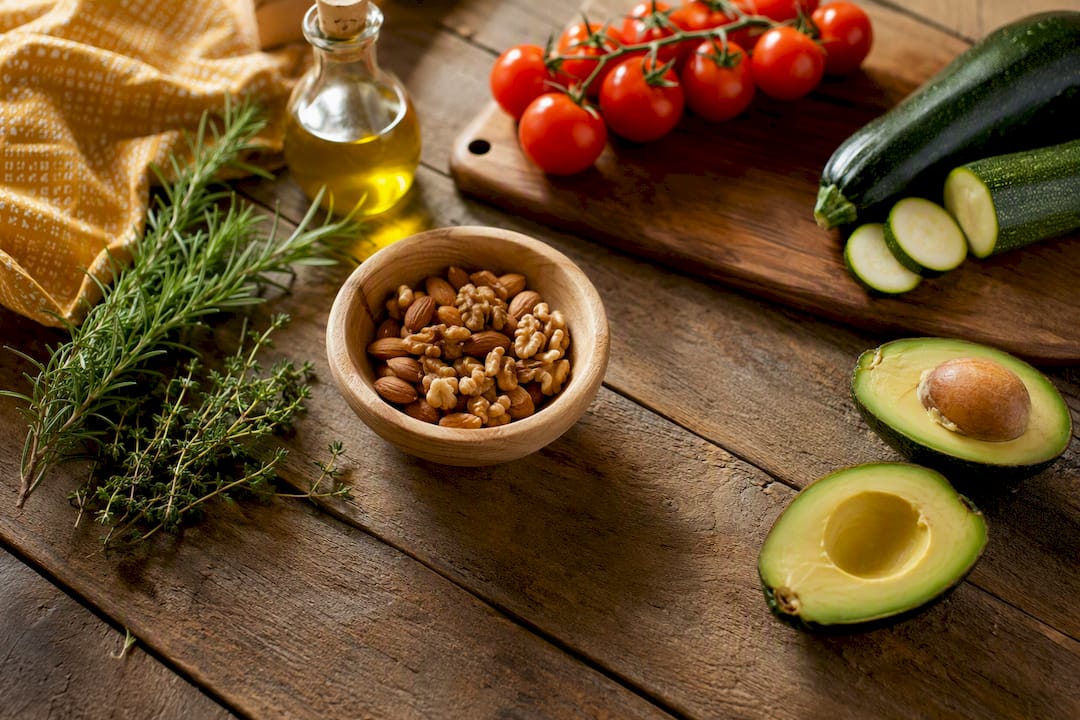
Where I think most home cooks go wrong is chasing variety for its own sake. You don’t need 50 different recipes. You need four or five reliable ones per category, built on the same two or three flavor systems, so grocery shopping and prep stop being a weekly negotiation. The plate-composition rule, vegetables first, modest protein, controlled starch, does more for weight management than any single “healthy” ingredient ever will.
If you take one thing from this collection, let it be this: consistency beats perfection. A repeated 20-minute cod dinner will do more for your health over a year than an elaborate meal you only make once.
— Susan Scortberg
Find More Tested Mediterranean Recipes at Hearthlyrecipes
Hearthlyrecipes gives you something most recipe blogs skip: every dish gets kitchen-tested before it’s published, and user ratings tell you what actually works before you shop for it. That’s the practical edge over hunting through untested recipes scattered across the internet.
If tonight’s dinner needs sorting out, start with the Hearthlyrecipes vault, which holds more than 43,000 tested recipes across every category mentioned here. Craving something from the sea? The seafood recipe page has more tested options beyond what’s listed above, from quick weeknight fillets to sheet-pan shrimp dinners. Pick a category, check the ratings, and cook something tonight.
Sources
- Oldways — Mediterranean diet background
- DIRECT trial summary on PubMed / NEJM (Weight Loss with Mediterranean Diet)
- Diabetes Care — comparative diet study
FAQ
What should I eat for breakfast on a Mediterranean diet?
Greek yogurt with berries and nuts is a common choice, along with whole-grain toast topped with olive oil and tomato, or eggs with sautéed vegetables. There’s no single required breakfast, just a preference for whole foods over processed cereals or pastries.
What are some examples of Mediterranean diet meals?
A typical day might include Greek yogurt with berries for breakfast, a grain bowl with vegetables and chickpeas for lunch, and baked salmon with roasted vegetables for dinner. Recipes like Hearthlyrecipes’ baked cod with lemon dill sauce or a chickpea grain bowl fit this pattern well.
What are the basic foods of the Mediterranean diet?
The foundation includes vegetables, fruits, whole grains, beans, seafood, and extra-virgin olive oil as the primary fat, with moderate dairy and limited red meat.
What is a typical daily menu for the Mediterranean diet?
Most days balance vegetables and whole grains across three meals, include seafood a few times a week, use olive oil as the main cooking fat, and keep red meat and sweets occasional rather than daily. Hearthlyrecipes’ chicken and seafood categories offer easy templates for building that kind of week.
How many ingredients should an easy Mediterranean recipe have?
Many of the fastest, most repeatable Mediterranean recipes use 10 ingredients or fewer, which keeps shopping simple and cuts prep time on busy weeknights.