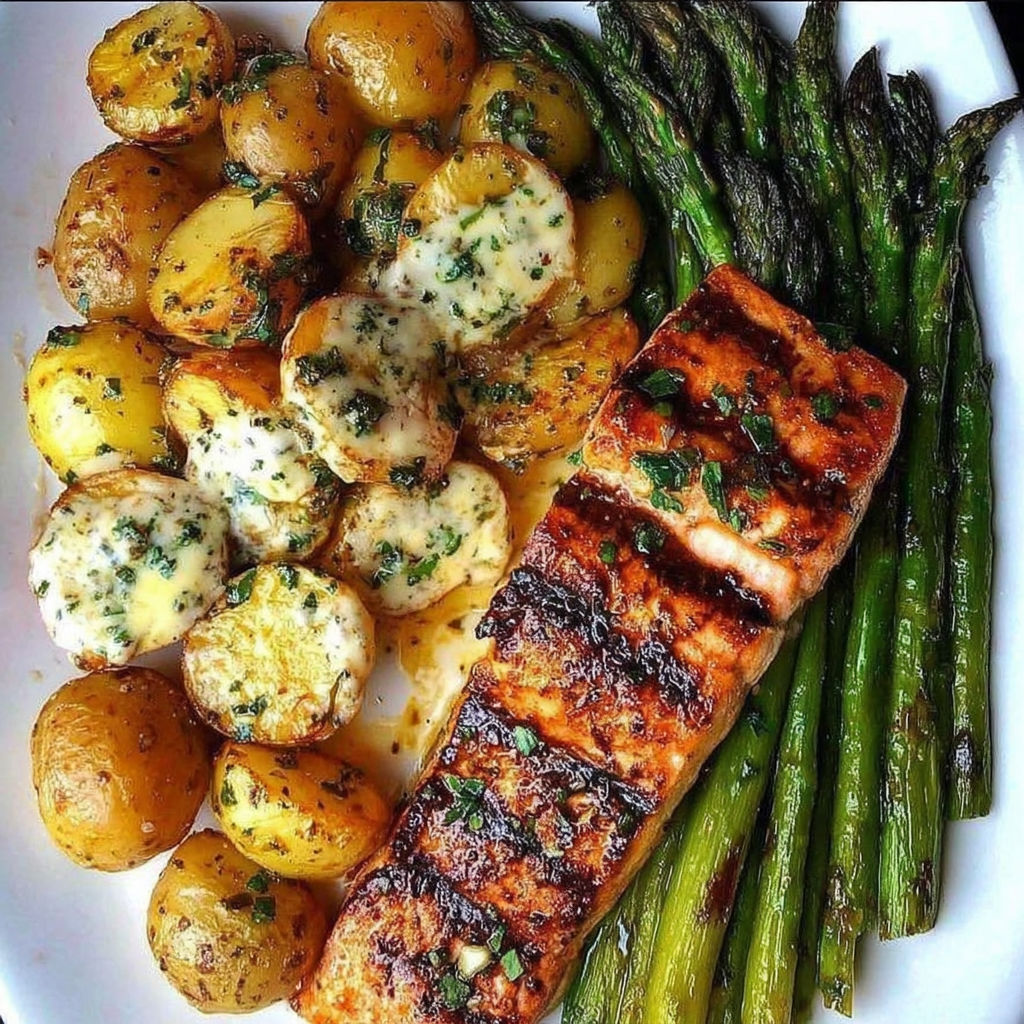
Baked Salmon Potatoes Asparagus
There's something deeply satisfying about a home-cooked meal that comes together in one pan, especially when it's as vibrant and flavorful as this Baked Salmon Potatoes Asparagus. Home cooks love it for its simplicity, nutritious ingredients, and the way the salmon's richness plays off the crunchy potatoes and tender asparagus. It's the kind of dish that feels wholesome yet indulgent-perfect for busy weeknights, casual dinner parties, or even a special Sunday supper. The aroma of garlic, lemon, and herbs filling your kitchen is just the icing on the cake.
What Makes This Recipe Special
- Salmon and potatoes share the oven space, but they cook at different stages to ensure perfect doneness-potatoes start first to crisp up, while salmon joins later to stay tender and flaky.
- The Dijon mustard in the salmon marinade isn't just for flavor; it helps create a light, caramelized crust on the fish as it bakes.
- Baby potatoes are halved to maximize surface area, ensuring they crisp up beautifully while staying tender inside.
- A two-step baking process keeps the asparagus from overcooking while allowing the potatoes to develop a golden, crispy exterior.
Ingredients
1 1/2 poundsbaby potatoes, halved
1 poundasparagus, ends trimmed
4 salmonfillets (4 to 6 ounces each)
2 tablespoonsolive oil, divided, plus extra for drizzling
2 tablespoonsmelted butter or additional olive oil
3 clovesgarlic, minced
1 teaspoongarlic powder
1 teaspoonpaprika
1 teaspoondried oregano or dried dill
1 teaspoonDijon mustard (optional)
Kosher salt, to taste
Freshly ground black pepper, to taste
1 lemon(half sliced, half for juicing)
Nutrition
350 caloriesCalories
Per serving · Values are estimates
Instructions
1
Preheat oven to 400°F (204°C). Line a large baking sheet with parchment paper or lightly grease.
2
In a large bowl, toss halved baby potatoes with 1 tablespoon olive oil, garlic powder, paprika, oregano, salt, and pepper. Arrange potatoes evenly on prepared baking sheet and roast for 20 minutes.
3
Remove baking sheet from oven. Gently push potatoes to one side. Toss asparagus with a drizzle of olive oil, salt, and pepper, and spread alongside potatoes. Place salmon fillets in the center of the pan.
4
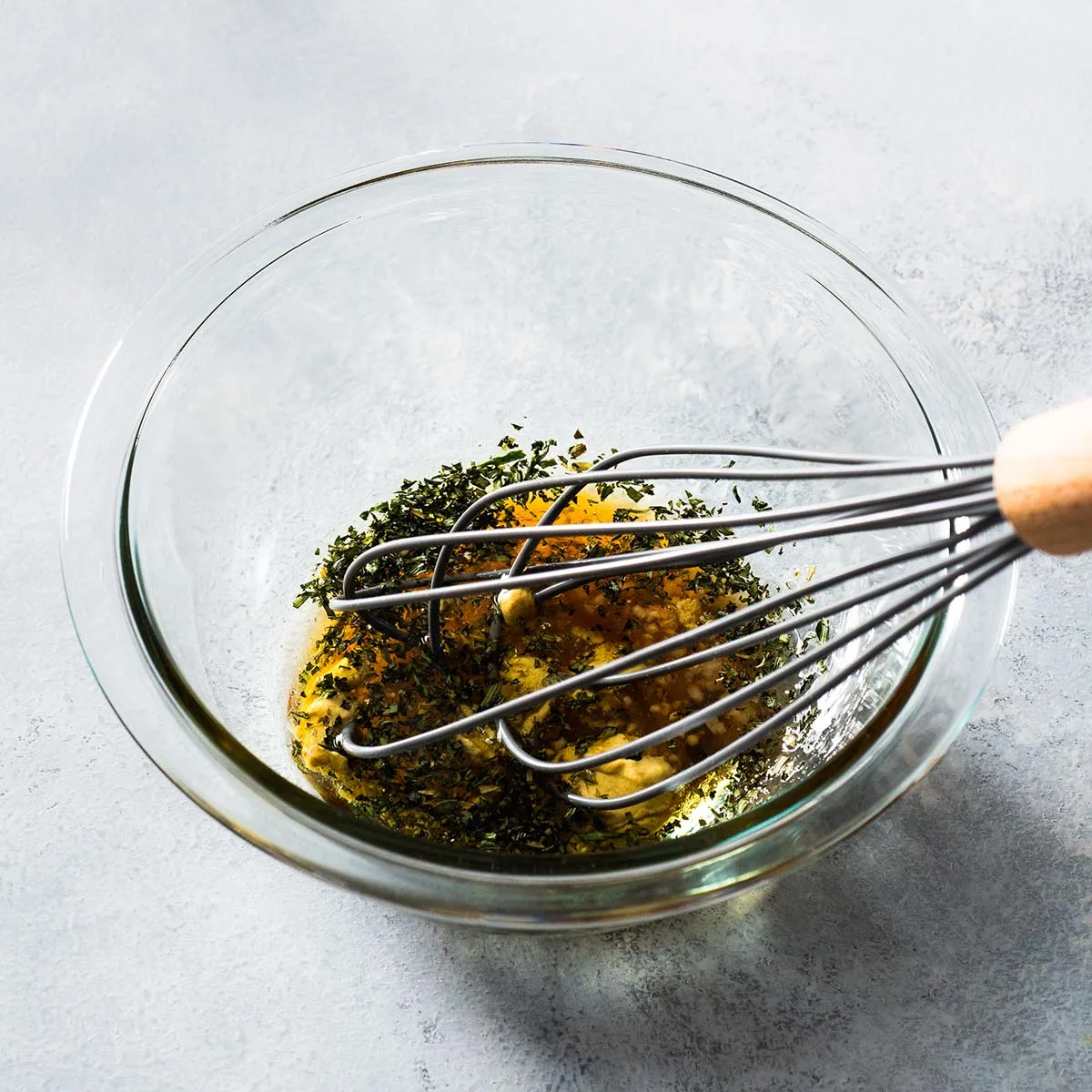
In a small bowl, combine 1 tablespoon olive oil or melted butter with minced garlic, Dijon mustard (if using), paprika, oregano, a squeeze of lemon juice, salt, and pepper. Brush mixture generously over salmon fillets. Top with lemon slices.
5
Return pan to oven and bake for 12 to 15 minutes, until salmon flakes easily with a fork and asparagus is just tender.
6
Garnish with chopped fresh parsley and a final squeeze of lemon juice. Serve immediately while hot.
Essential Tips
Pat dry the salmon
Before seasoning, pat the salmon fillets dry with a paper towel. This helps the marinade adhere better and ensures a crispier exterior when baked.
Cut potatoes evenly
When halving the baby potatoes, make sure each piece is roughly the same size. This ensures even cooking and prevents some pieces from being undercooked while others burn.
Don't overcrowd the pan
Arrange the potatoes and asparagus in a single layer with some space between them. Overcrowding steams the vegetables instead of roasting them, leading to soggy results.
Use parchment paper
Line your baking sheet with parchment paper to prevent the potatoes from sticking and make cleanup a breeze. Avoid nonstick sprays, as they can cause the potatoes to brown unevenly.
Check salmon early
Salmon cooks quickly, so start checking it at the 10-minute mark. It's done when it flakes easily with a fork and reaches an internal temperature of 145°F (63°C). Overbaking will make it dry and tough.
Smart Swaps & Variations
Honey Glaze Salmon
Swap the Dijon mustard for 1 tablespoon honey mixed into the garlic butter marinade for a touch of sweetness that balances the salmon's richness.
Herb Swap
Replace dried oregano with fresh dill or thyme for a brighter, more aromatic flavor that pairs beautifully with the lemon.
Spicy Kick
Add a pinch of cayenne pepper or red pepper flakes to the potato seasoning for a subtle heat that contrasts with the creamy salmon.
Cauliflower Twist
Swap asparagus for cauliflower florets tossed with olive oil, salt, and a sprinkle of turmeric for a low-carb, colorful alternative.
What to Serve With This
- A crisp green salad with a light vinaigrette to cut through the richness of the salmon.
- Warm crusty bread or dinner rolls to soak up any leftover garlic butter sauce.
- A chilled glass of Sauvignon Blanc or Pinot Grigio to complement the lemon and herbs.
- Steamed broccoli or roasted Brussels sprouts for an extra serving of vegetables.
Storage & Reheating
Storage
Store leftovers in an airtight container in the refrigerator for up to 3 days. Keep the salmon and vegetables separate to maintain texture.
Reheating
Reheat in the oven at 350°F (175°C) for 10-12 minutes or until warmed through. Avoid microwaving, as it can make the salmon rubbery.
Expert Chef Tips
- For extra-crispy potatoes, parboil them for 5 minutes before roasting. Drain well and let them steam dry in the colander before tossing with oil and spices.
- If your salmon is thicker than 1 inch, tent it with foil for the last 5 minutes of baking to prevent the top from overcooking while the center finishes.
- Use the parchment paper to create a makeshift sling when transferring the pan in and out of the oven. This prevents the hot pan from burning your hands and keeps the potatoes intact.
Equipment You’ll Need
- Large baking sheet (preferably with raised edges)
- Parchment paper or silicone baking mat
- Mixing bowls (1 large, 1 small)
- Chef's knife and cutting board
Nutritional Benefits
- High in protein from the salmon, providing essential omega-3 fatty acids for heart and brain health.
- Rich in fiber from the potatoes and asparagus, supporting digestive health and providing sustained energy.
- Contains vitamin C from the lemon and asparagus, which boosts immune function and aids in collagen production.
- Low in saturated fat when using olive oil instead of butter, making it a heart-healthy choice.
Reviews
No written reviews yet — be the first to cook this and share how it turned out!
Leave a Review
Frequently Asked Questions
Can I use frozen salmon for this recipe?
Yes, you can use frozen salmon, but make sure it's fully thawed and patted dry before seasoning. Frozen salmon can release more moisture, so avoid overcrowding the pan to ensure proper browning.
What's the best way to trim asparagus?
Hold each spear of asparagus near the bottom and bend it. It will naturally snap where the tough woody part ends. For even cooking, trim them to roughly the same length before roasting.
Can I substitute sweet potatoes for baby potatoes?
Absolutely! Sweet potatoes add a lovely sweetness and vibrant color. Peel and cube them into 1-inch pieces, then toss with a bit of extra olive oil, salt, and smoked paprika before roasting.
How do I know when the salmon is done?
Salmon is done when it reaches an internal temperature of 145°F (63°C) and flakes easily with a fork. The flesh should turn opaque and separate into layers. Avoid overcooking, as it will continue to cook slightly as it rests.
Can I prepare this ahead of time?
Yes! You can parboil the potatoes and trim the asparagus up to a day ahead. Store them separately in the fridge, then toss with oil and seasonings before baking. Assemble the dish right before baking for best results.
What's the best way to reheat leftovers without drying them out?
Reheat in a skillet over medium-low heat with a splash of water or broth, covered, for 3-4 minutes. This gently warms the salmon without drying it out. Alternatively, microwave on a damp paper towel for 30-45 seconds.
Can I make this dish dairy-free?
Yes, simply replace the butter with olive oil in the salmon marinade. Ensure all other ingredients, like any added cheese or garnishes, are also dairy-free to suit your dietary needs.
Why are my potatoes not crispy?
This could be due to overcrowding the pan, not drying the potatoes thoroughly after washing, or not using enough oil. Make sure to pat them dry, use a generous amount of oil, and spread them in a single layer with space between each piece.
More Dinner Victories
🔒 From the Vault — 43,000+ premium recipes
Cook This Next