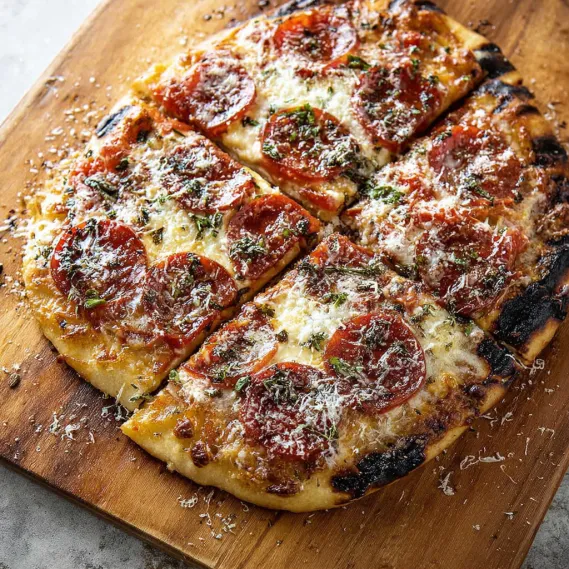
Best Grilled Pizza Guide
There's something magical about grilled pizza-crisp, charred edges give way to a chewy, smoky crust that's impossible to replicate in a home oven. Home cooks adore this method for its speed, fun presentation, and the way it turns a simple weeknight dinner into a festive gathering. Whether you're hosting a summer cookout or just craving restaurant-quality pizza without the wait, this guide delivers golden, bubbly perfection in under 30 minutes. The best part? You can customize every pie to your heart's content, making it a crowd-pleaser for picky eaters and foodies alike.
What Makes This Recipe Special
- Charred crust magic: The high heat of the grill creates those coveted grill marks and a smoky depth of flavor that you can't achieve in a home oven.
- Two-stage cooking: Grilling the dough first and then adding toppings ensures a crisp base and prevents soggy cheese, a common pitfall with traditional pizza methods.
- No need for a pizza stone: The grill grates act as a natural stone, radiating even heat for a perfectly blistered crust.
- Customizable in minutes: Toppings go on after the first grill pass, so you can adapt each pizza to different tastes without prepping multiple batches.
Ingredients
1 poundpizza dough (homemade or store-bought, thawed if frozen)
2 tablespoonsolive oil
1/2 cuppizza sauce of choice
1-2 cups shredded cheese
Pizza toppings of choice
Nutrition
200 caloriesCalories
Per serving · Values are estimates
Instructions
1
Prepare the 30-minute pizza dough as directed or ensure store-bought dough is properly thawed if frozen.
2
Pour the olive oil into a bowl and set aside.
3
Preheat the grill to the highest heat setting. Grease the grill grates generously using a brush or paper towel once heated.
4
Prepare all pizza toppings and have them ready for assembly.
5
Roll or pat the pizza dough into the desired shape on a lightly floured surface. Lightly flour a pizza peel or flat cookie sheet.
6
Place the dough onto the pizza peel or cookie sheet. Slide it carefully onto the hot grill. Close the lid and cook for 3-5 minutes until golden brown.
7
Remove the dough from the grill using the pizza peel or cookie sheet. Flip it over with a spatula so the grilled side faces up.
8
Spread about 1/2 cup of sauce onto the grilled side of the dough. Add cheese and toppings as desired.
9
Reduce grill heat to medium and slide the pizza back onto the grill gently. For charcoal grills, close the vents completely. Cover with the lid and cook for 2-5 minutes until the cheese is melted and bubbly and the bottom is browned.
10
Remove the pizza to a cutting board using a pizza peel or spatula. Let it rest for 2-3 minutes before slicing and serving.
Essential Tips
Preheat the grill fully
Grill grates need to be screaming hot before you start-at least 500°F (260°C). Use a grill thermometer to check. If the grates aren't hot enough, the dough will stick and cook unevenly, leaving you with a pale, underwhelming crust.
Oil the dough lightly
Before grilling, brush the dough lightly with olive oil on both sides. This prevents sticking and adds extra crispness. Skip this step if your dough is already high in fat (like some artisanal versions).
Use a pizza peel or sheet pan
A pizza peel is ideal for transferring the dough to and from the grill, but a flat cookie sheet works in a pinch. Slide it quickly to avoid the dough sticking or tearing-practice once or twice before adding toppings.
Work in batches
If grilling for a crowd, cook pizzas one at a time to maintain even heat. Keep finished pizzas warm in a low oven (200°F/95°C) while you grill the rest. This avoids rushing and ensures each pie is perfect.
Toppings after the first grill pass
Adding toppings too early can lead to burnt cheese or soggy crust. Wait until the dough is par-cooked and slightly charred before adding sauce, cheese, and toppings. This keeps flavors bright and textures crisp.
Smart Swaps & Variations
White pizza
Swap tomato sauce for a base of ricotta or burrata, then top with garlic, mozzarella, prosciutto, and arugula after grilling.
BBQ chicken
Use BBQ sauce instead of pizza sauce, top with cooked chicken, red onions, cilantro, and a blend of mozzarella and cheddar cheese.
Veggie-packed
Load up on thinly sliced zucchini, bell peppers, mushrooms, and spinach, then finish with a sprinkle of feta or goat cheese after grilling.
Meat lovers'
Combine pepperoni, Italian sausage, bacon, and ground beef for a hearty pie-just be mindful of flare-ups from the grease.
What to Serve With This
- A crisp green salad dressed with lemon vinaigrette to cut through the richness of the pizza.
- Chilled craft beer, such as an Italian pilsner or a citrusy IPA, to complement the smoky flavors.
- Garlic knots or grilled focaccia for a bread course before the main event.
- Homemade garlic aioli or spicy marinara for dipping-great for kids or those who love extra sauce.
Storage & Reheating
Storage
Store leftover grilled pizza in an airtight container in the fridge for up to 2 days. The crust will soften slightly, but it's still delicious reheated.
Reheating
Reheat slices on a preheated skillet over medium heat for 2-3 minutes per side to restore crispness. Avoid the microwave-it turns the crust soggy and the cheese rubbery.
Expert Chef Tips
- Use a two-zone grill setup for better control: Sear the dough over direct heat first, then move it to a cooler part of the grill to finish cooking toppings without burning.
- Add a splash of beer or white wine to your pizza sauce for depth-just reduce it by half before spreading on the dough to avoid a watery sauce.
- For extra flavor, grill your cheese before adding it to the pizza. Thin slices of mozzarella or provolone placed directly on the grill for 30 seconds will develop a subtle caramelized crust.
Equipment You’ll Need
- Grill (gas or charcoal) with a lid
- Pizza peel or flat cookie sheet
- Grill brush or crumpled foil for cleaning grates
- Grill thermometer (highly recommended)
Nutritional Benefits
- A 2-slice (1/4 of a 1-pound pizza) serving provides roughly 200 calories, mostly from carbs in the dough and fat from cheese and oil.
- Grilling reduces the need for excess oil compared to pan-frying, making this a lighter option than deep-dish or pan pizzas.
- Toppings like veggies and lean proteins (e.g., grilled chicken) can boost fiber and protein while keeping calories in check.
- Using whole-wheat dough or adding cauliflower rice to the dough can increase fiber and reduce refined carbohydrates.
Reviews
No written reviews yet — be the first to cook this and share how it turned out!
Leave a Review
Frequently Asked Questions
Can I use frozen dough for grilled pizza?
Yes, but thaw it completely and let it rise at room temperature for 1-2 hours before grilling. Frozen dough can be stickier and harder to stretch, so handle it gently to avoid tearing.
How do I prevent the dough from sticking to the grill?
Preheat the grill well and clean the grates thoroughly before oiling them with a paper towel dipped in olive oil. If the dough still sticks, lift it carefully with a metal spatula and re-oil the grates.
What's the best cheese for grilled pizza?
Mozzarella is classic, but a blend with low-moisture cheeses like fontina or provolone melts better and resists burning. Avoid fresh cheeses like ricotta until after grilling-they can turn grainy.
Can I grill pizza on a gas grill?
Absolutely! Gas grills work well for grilled pizza, especially if you can control the heat zones. Preheat to high, then sear the dough before reducing to medium for toppings.
How do I know when the pizza is done?
The crust should be golden brown with distinct grill marks, and the cheese should be fully melted with some browning spots. Use a thermometer to check the center-it should reach 165°F (74°C) for safety.
Can I make the dough ahead of time?
Yes! Prepare the dough up to 24 hours ahead and refrigerate it in an oiled bowl. Let it come to room temperature for 1-2 hours before shaping and grilling. This improves flavor and texture.
What's the best way to handle flare-ups?
Keep a spray bottle of water nearby to tame flames, but avoid overusing it-too much water can cool the grill. Move the pizza to a cooler part of the grill if flare-ups occur.
Can I grill pizza without a pizza peel?
Yes, use a flat cookie sheet or even a large cutting board dusted with flour. Slide the dough onto the grill from the edge, then use the same tool to remove it after the first grill pass.
More Gathering Stars
🔒 From the Vault — 43,000+ premium recipes
Cook This Next