Butternut Squash Risotto Arborio
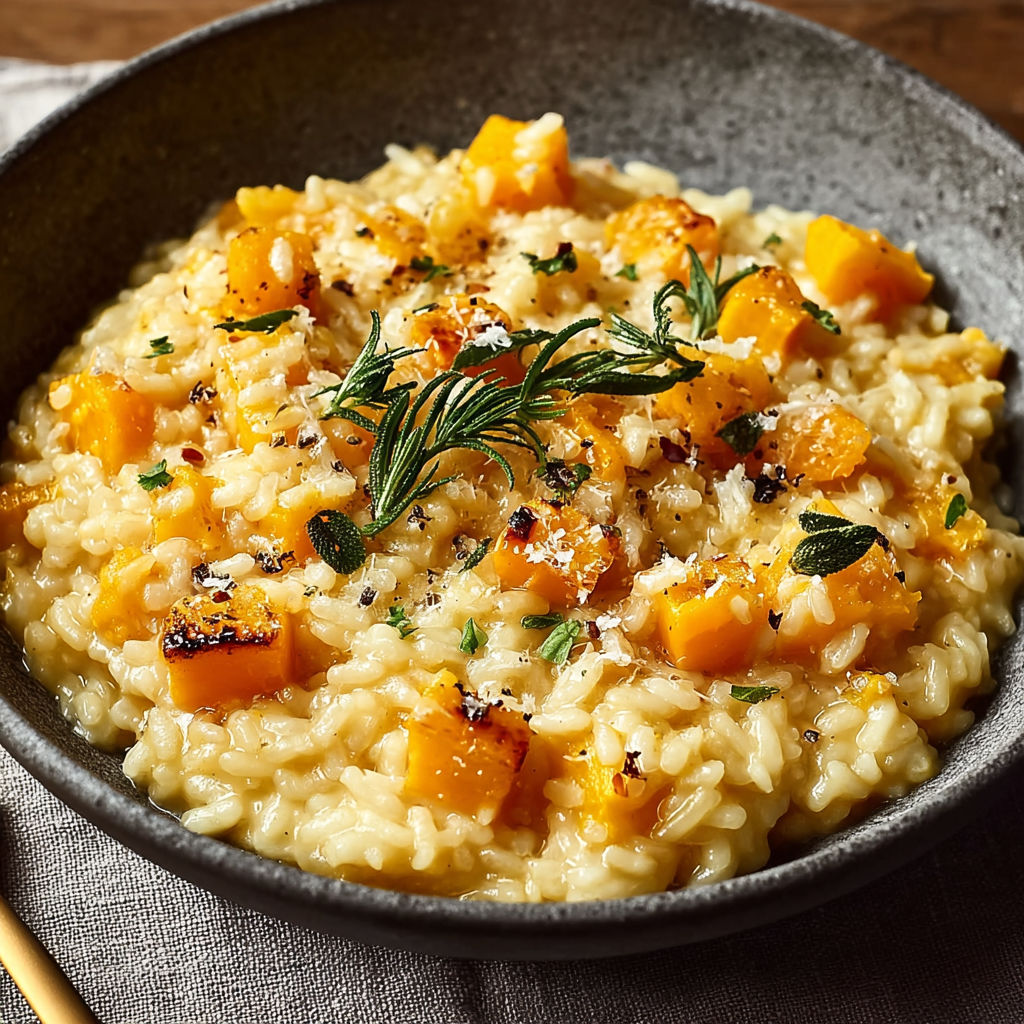
There's something magical about a steaming bowl of butternut squash risotto that turns a simple weeknight into a cozy celebration. Home cooks love this dish for its velvety texture and the way roasted squash melts into the creamy Arborio rice, infused with the earthy aroma of fresh sage. Perfect for crisp fall evenings or a comforting Sunday supper, it's rich yet balanced, and always feels like a hug on a plate. Plus, the golden hues make it as beautiful as it is delicious.
What Makes This Recipe Special
- The squash is roasted separately to caramelize naturally, intensifying its sweetness and adding depth without making the risotto watery.
- Using freshly grated Parmesan at the end ensures the risotto stays luxuriously creamy while delivering a bright, sharp flavor that cuts through the richness.
- Sage leaves are finely chopped and added in two stages-first during cooking for subtle warmth, then stirred in at the end for aromatic pops of freshness.
- Arborio rice is toasted in olive oil before broth is added, which builds a nutty base and prevents the grains from turning mushy.
Ingredients
1 cupArborio rice
2 cupsbutternut squash, cut into cubes and peeled
4 cupsveggie broth
1 mediumonion, chopped finely
2 clovesgarlic, finely chopped
1 cupfreshly grated Parmesan cheese
2 tablespoonsolive oil (extra virgin), plus extra for drizzling
6 sageleaves, chopped finely
Salt, as needed
Black pepper, as needed
Nutrition
450 caloriesCalories
Per serving · Values are estimates
Instructions
1
Heat your oven to 400°F. Mix diced squash with 1 tablespoon olive oil and sprinkle with salt and black pepper. Spread them out on a baking tray and cook for 25-30 minutes until soft and slightly browned.
2
Put your veggie broth in a pot and keep it warm on low heat while you cook.
3
Warm up 1 tablespoon olive oil in a big skillet over medium heat. Cook onion till it's see-through, about 4-5 minutes, then throw in the chopped garlic and let it cook one more minute.
4
Put Arborio rice in the pan and keep stirring for 2 minutes so every grain gets coated with oil.
5
Start adding the warm veggie broth to your rice, just a ladleful at a time. Keep stirring and wait until the liquid's soaked up before adding more. Do this for about 20 minutes, until rice is creamy but still a bit firm.
6
Slowly mix in the cooked squash, grated Parmesan, and chopped sage. Stir it all together and add salt and pepper to make it taste just right.
7
Dish out the risotto right away. If you want, top with extra Parmesan or a little drizzle of olive oil.
Essential Tips
Toast the rice well
Don't rush toasting the Arborio rice. Cook it in the skillet over medium heat for 2 full minutes, stirring constantly, until it turns a light golden color. This step is crucial for flavor and texture.
Keep broth simmering
Maintain a gentle simmer in your broth pot throughout cooking. If it's too hot, the rice will cook too quickly and release excess starch, making the risotto gluey instead of creamy.
Add broth gradually
Ladle in the broth a little at a time, waiting until each addition is mostly absorbed before adding more. This slow process encourages the rice to release just enough starch to create a silky sauce.
Taste often
Don't rely on the recipe's salt and pepper guidance. Taste the risotto after each addition of broth and adjust seasoning incrementally, especially since Parmesan brings its own saltiness.
Fold squash gently
Once the squash is roasted and the risotto is nearly done, gently fold it in with a spatula to preserve its tender texture. Avoid over-stirring, which can break down the squash pieces.
Smart Swaps & Variations
Vegan Delight
Swap Parmesan for nutritional yeast or vegan Parmesan and use vegetable broth to keep it fully plant-based. Finish with a drizzle of toasted pumpkin seed oil for richness.
Protein Boost
Add ½ cup of crispy cooked pancetta or diced prosciutto at the end for a salty contrast. Or stir in cooked shredded chicken for a heartier meal.
Herb Swap
Replace sage with thyme or rosemary for a different aromatic profile. Use 1 tbsp fresh thyme leaves or ½ tsp finely chopped rosemary, adjusting to taste.
Spiced Version
Add a pinch of ground nutmeg or smoked paprika to the squash before roasting for a warm, autumnal twist. Stir ¼ tsp into the squash with olive oil before baking.
What to Serve With This
- A crisp arugula salad with lemon vinaigrette and shaved fennel for a refreshing contrast.
- Crusty sourdough bread or focaccia, perfect for soaking up any leftover sauce.
- A glass of dry white wine like Pinot Grigio or a light-bodied red like Chianti Classico.
- Roasted Brussels sprouts with balsamic glaze for a seasonal, slightly sweet side.
Storage & Reheating
Storage
Store leftover risotto in an airtight container in the fridge for up to 3 days. The texture will firm up slightly, but it reheats beautifully.
Reheating
Warm risotto gently in a skillet over low heat, adding a splash of warm broth or water to restore creaminess. Avoid microwaving, as it can make the grains mushy.
Expert Chef Tips
- Use a heavy-bottomed pot for even heat distribution-risotto can scorch easily, and a thick base prevents this.
- Save a ladle of the finished risotto before folding in squash. Reheat it later as a base with a touch of broth for a quick "leftover risotto" dish.
- For extra depth, deglaze the skillet with a splash of white wine after cooking the onions and garlic. Let it reduce fully before adding the rice.
Equipment You’ll Need
- Heavy-bottomed medium saucepan or deep skillet with lid
- Baking sheet for roasting squash
- Fine grater or microplane for Parmesan
- Ladle for adding broth in stages
Nutritional Benefits
- One serving delivers 450 calories with a balance of complex carbs from Arborio rice and slow-digesting fiber from butternut squash.
- High in vitamin A (from butternut squash) and calcium (from Parmesan), supporting immune function and bone health.
- Contains heart-healthy monounsaturated fats from extra virgin olive oil and omega-3s from optional additions like toasted pumpkin seeds.
- Provides moderate protein (15g per serving) from Parmesan and squash, making it satisfying without being overly heavy.
Reviews
No written reviews yet — be the first to cook this and share how it turned out!
Leave a Review
Frequently Asked Questions
Can I use pre-cut butternut squash from the store?
Yes, but check for added preservatives or moisture. If it's very wet, pat it dry before roasting to avoid steaming instead of caramelizing. Pre-cut squash may roast faster, so check at 20 minutes.
My risotto turned out too thick. How can I fix it?
Stir in a splash of warm broth or water while gently heating. If it's grainy, continue cooking on low heat with extra liquid-risotto thickens as it cools, so it may seem drier than intended.
Can I make this risotto ahead of time?
Risotto is best made fresh, but you can prep the squash and broth in advance. Cook the risotto up to step 5 (before adding squash and Parmesan), then refrigerate. Reheat gently with extra broth when ready to finish.
What's the best way to grate Parmesan for risotto?
Use a microplane or fine grater for ultra-fresh, fluffy cheese that melts seamlessly into the risotto. Avoid pre-grated Parmesan, which contains anti-caking agents that can make the sauce gritty.
Can I substitute another type of rice?
Carnaroli or Vialone Nano are excellent substitutes for Arborio-they're starchier and hold up well to stirring. Avoid long-grain rice like basmati or jasmine; they won't release enough starch for creaminess.
Why does my risotto look dry even when it's cooked?
Overcooking or adding too much broth too quickly can cause the rice to release excess starch and then reabsorb it, making it tight and dry. Stop cooking when the rice is al dente with a creamy center.
Can I use chicken broth instead of vegetable?
Absolutely! Chicken broth adds a richer, deeper flavor. Just ensure it's low-sodium so you can control the saltiness, especially with Parmesan in the mix.
How do I know when the risotto is done?
The risotto is ready when the rice is tender but still has a slight bite (al dente), and the sauce is creamy but not soupy. It should flow like a slow lava-neither runny nor stiff.
Can I freeze butternut squash risotto?
Freezing is not recommended, as the texture of the squash and rice can become mushy upon thawing. The emulsion in the risotto may also break down, leading to a grainy or separated dish.
More Dinner Victories


🔒 From the Vault — 43,000+ premium recipes




Cook This Next