Rich Chicken Sauce for Lasagna
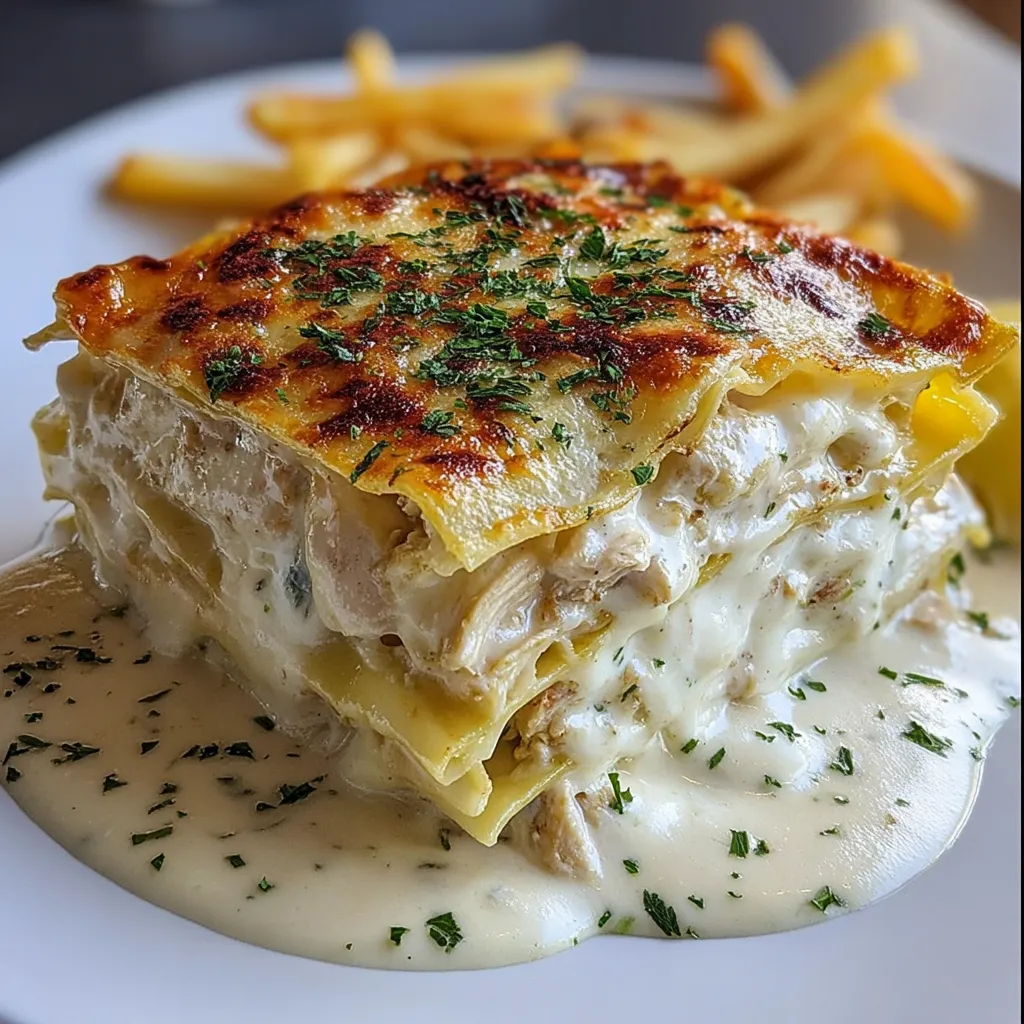
There's something deeply comforting about a lasagna that whispers 'home' with every forkful-warm layers of pasta cradling tender chicken, creamy ricotta, and vibrant spinach all swathed in a velvety white sauce. This isn't just dinner; it's a celebration of slow-cooked love, perfect for Sunday suppers or feeding a hungry crowd without stress. What makes this recipe irresistible is its balance: hearty yet light, rich but not heavy, with a golden, bubbling top that promises satisfaction before you even take a bite. Plus, it reheats beautifully, so you can enjoy leftovers all week-or freeze a portion for a future rainy day.
What Makes This Recipe Special
- The white sauce is a béchamel elevated with aromatic garlic, dried basil, and oregano, creating a silky, aromatic base that's far more flavorful than store-bought alternatives.
- Fresh spinach is folded into the ricotta-chicken mixture, not cooked separately, which preserves its bright color and prevents the lasagna from becoming watery.
- The pasta sheets are layered raw right after boiling, so they absorb the sauces gently during baking, resulting in perfectly tender but distinct layers.
- A final sprinkle of fresh parsley just before serving adds a pop of color and a bright, herbal note that cuts through the richness of the dish.
Ingredients
12 pastasheets for lasagna
2 cupspulled chicken, torn into bits
2 cupssoft ricotta
2 cupsgrated mozzarella
1 cupfinely grated Parmesan
3 cupsfinely cut spinach
4 cupsmilk
1/2 cupplain flour
1/2 cupbutter
3 garliccloves, finely chopped
1 teaspoondried basil leaves
1 teaspoondried oregano flakes
Salt, as needed
Pepper, as needed
Chopped fresh parsley for topping
Nutrition
420 caloriesCalories
Per serving · Values are estimates
Instructions
1
Warm your oven to 375°F (190°C). Coat a 9x13-inch dish with butter or oil.
2
Boil the pasta sheets following box directions. Drain them in a colander and lay flat.
3
Melt butter in a pot over medium fire. Toss in chopped garlic and stir until you can smell it, roughly 1 minute.
4
Add flour and keep stirring for a minute till it turns light brown. Pour milk in bit by bit while stirring non-stop to avoid clumps. Let it bubble gently and cook till it gets thick, about 5-7 minutes.
5
Put basil, oregano, salt, and pepper into your sauce. Mix well and take off the heat.
6
Combine torn chicken, ricotta, spinach, and 1 cup of mozzarella in a big bowl.
7
Put a thin layer of white sauce at the bottom of your greased dish. Lay pasta sheets on top. Spread 1/3 of your chicken mix over pasta, then pour more sauce. Do this two more times, finishing with pasta sheets and the last of your sauce.
8
Scatter the leftover cup of mozzarella and all the Parmesan on the very top.
9
Cover dish with foil and pop in the hot oven for 25 minutes. Take foil off and cook another 20 minutes till cheese gets bubbly and golden on top.
10
Let your lasagna sit for 10 minutes after cooking. Sprinkle fresh parsley on top before you serve it.
Essential Tips
Garlic timing matters
Add garlic to the melted butter only after it's hot but not smoking, and cook just until fragrant-about 60 seconds-to avoid bitterness. Overcooking garlic turns it bitter and can overpower the delicate béchamel flavor.
Roux consistency is key
Cook the flour-butter mixture until it turns a light golden tan, not dark brown. This ensures the sauce thickens properly without a raw flour taste, while keeping the color pale and elegant.
Layering order
Start and end with a thin layer of white sauce beneath and over the pasta sheets. This prevents the bottom from drying out and creates a cohesive texture throughout the lasagna.
Pre-ripping chicken
Use cooked chicken from a rotisserie or poach breasts ahead-torn into irregular bits-so it blends naturally into the ricotta mix rather than forming dense layers that don't integrate.
Fresh herbs finish
Always add fresh parsley at the very end. Its bright, grassy notes revive the richness of the dish and add visual contrast, making each bite feel fresh and inviting.
Smart Swaps & Variations
Vegetarian twist
Swap chicken for sautéed mushrooms and roasted zucchini or eggplant. Use a pinch of nutmeg in the béchamel for depth, and add a layer of roasted red peppers for brightness.
Lower-carb
Replace pasta sheets with thinly sliced zucchini or eggplant rounds. Par-cook them to soften, then layer like traditional pasta. The sauce and fillings remain the same for a lighter version.
Spicy kick
Add a teaspoon of red pepper flakes to the béchamel sauce and fold diced jalapeños into the ricotta mixture. Top with pepper jack cheese instead of mozzarella for a bold, warming bite.
Dairy-free
Use unsweetened almond milk and a dairy-free butter substitute for the béchamel. Swap ricotta for a cashew-based or tofu ricotta, and top with vegan mozzarella and Parmesan alternatives.
What to Serve With This
- Garlic bread and a crisp green salad with a lemon vinaigrette to cut through the richness.
- A bold Italian red like Chianti or Sangiovese to complement the tomato-free béchamel and herbs.
- Roasted broccoli or asparagus on the side for a vibrant, seasonal contrast.
- A simple caprese salad with heirloom tomatoes and fresh basil for a fresh start before the indulgent main.
Storage & Reheating
Storage
Store leftovers in an airtight container in the fridge for up to 3 days. The flavors actually meld and improve overnight, making it even better the next day.
Reheating
Cover the lasagna with foil and warm in a 350°F (175°C) oven for 15-20 minutes. Avoid microwaving-it can make the pasta gummy and the cheese rubbery.
Expert Chef Tips
- Use a combination of whole milk and half-and-half for the béchamel to achieve a luxurious texture without the heaviness of cream alone.
- Let the lasagna rest uncovered after baking for at least 15 minutes-this allows the sauce to set and makes slicing cleaner and less messy.
- For extra depth in the béchamel, infuse the warm milk with a bay leaf and a peeled garlic clove while heating-remove before adding to the roux.
Equipment You’ll Need
- 9x13-inch baking dish
- Medium saucepan for béchamel
- Whisk for smooth sauce
- Mixing bowls for ricotta filling
Nutritional Benefits
- This lasagna is a balanced meal with 25g of protein per serving from chicken and dairy, supporting muscle maintenance and satiety.
- The use of milk and ricotta provides calcium and vitamin D, important for bone health, while spinach adds iron and folate.
- Compared to traditional meat lasagna with red sauce, this white-sauce version is lower in acidity, making it gentler on sensitive stomachs and teeth.
- A single serving contains about 15g of fat, primarily from dairy, which is mostly unsaturated and comes with beneficial nutrients like vitamin A and calcium.
Reviews
No written reviews yet — be the first to cook this and share how it turned out!
Leave a Review
Frequently Asked Questions
Can I use regular lasagna noodles instead of oven-ready?
Yes! Boil the noodles for 2 minutes less than package instructions to ensure they don't overcook during baking. Drain well and lay flat on a towel to prevent sticking before layering.
What's the best way to shred or tear the chicken?
For the most natural texture, tear the chicken with your fingers while it's still warm. Avoid chopping with a knife, which can make it dense. Rotisserie chicken works perfectly-just remove the skin and bones first.
Can I make this lasagna ahead and bake it later?
Absolutely. Assemble the lasagna up to the point of baking, cover tightly with plastic wrap and then foil, and refrigerate for up to 24 hours. Bake as directed, adding 10-15 minutes of covered time to account for the cold start.
How do I prevent the spinach from making the lasagna watery?
Thoroughly squeeze out excess moisture from the spinach after thawing if using frozen, or blanch and drain fresh spinach. Mix it directly into the ricotta with the chicken so it's evenly distributed and doesn't pool.
What's the best cheese to use for the top layer?
A combination of mozzarella for melt and Parmesan for umami works best. Avoid pre-shredded cheese-it often contains anti-caking agents that prevent proper browning and melting.
Can I freeze this lasagna?
Yes! Assemble the lasagna, wrap it tightly in plastic wrap and foil, and freeze for up to 3 months. Thaw overnight in the fridge before baking. Add 10-15 minutes of covered baking time if baking from frozen.
My sauce is too thick-how do I fix it?
If the béchamel is too thick, whisk in warm milk a tablespoon at a time until it reaches a pourable, silky consistency. If it's already in the dish, gently warm it with extra milk in a pot on the stove while stirring.
Can I substitute ricotta with cottage cheese?
You can, but blend the cottage cheese until smooth first to avoid a grainy texture. The flavor will be milder, so consider adding a pinch of salt or a squeeze of lemon to brighten it up.
More Dinner Victories
🔒 From the Vault — 43,000+ premium recipes


Cook This Next