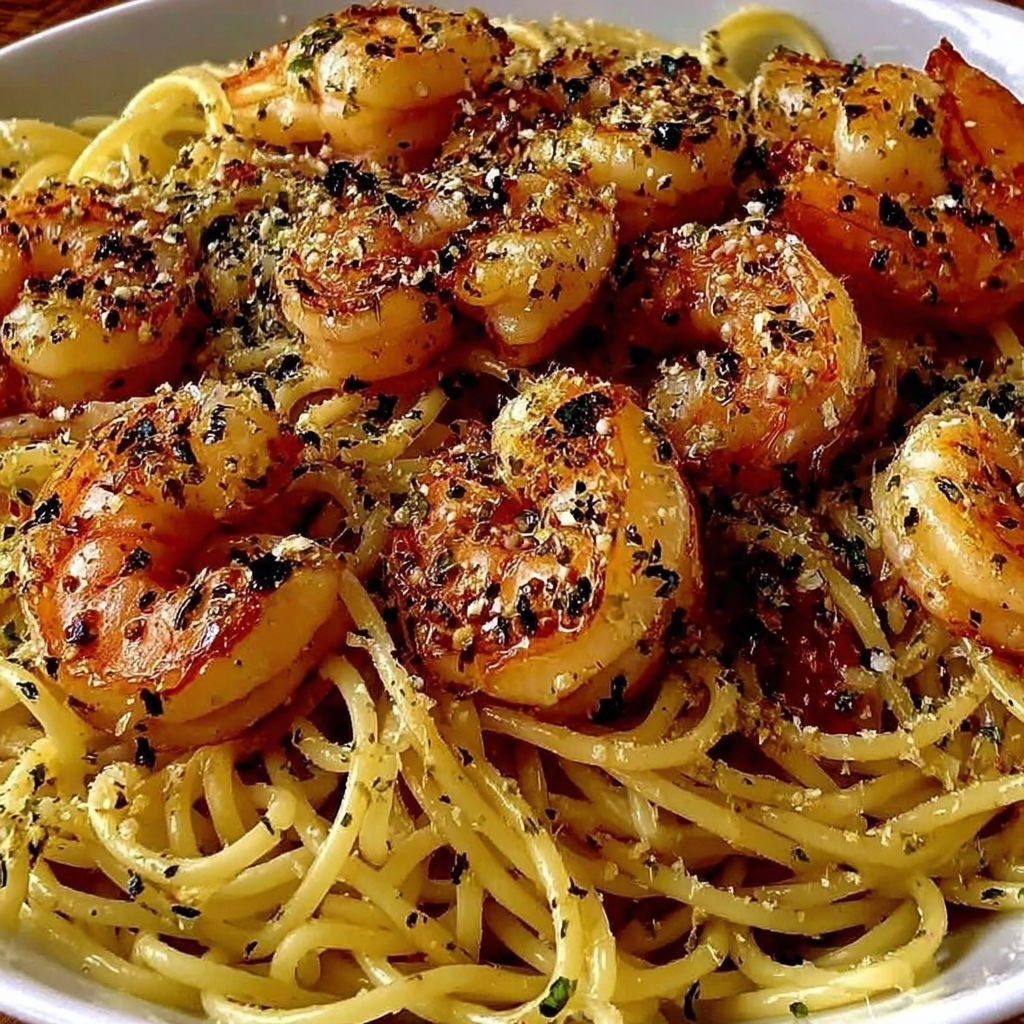
Garlic Shrimp Butter Pasta
There's something deeply comforting about a bowl of garlic shrimp butter pasta-it's restaurant-quality magic at home. Home cooks adore this dish for its luxurious texture, bright garlic flavor, and the way the buttery sauce clings to every strand of spaghetti. Perfect for a weeknight dinner or an impressive date-night meal, this recipe delivers rich, satisfying indulgence without the fuss. The combination of succulent shrimp, aromatic garlic, and al dente pasta makes it irresistible from the first bite.
What Makes This Recipe Special
- The butter is melted separately first to create a nutty, golden fond, then used to sauté the shrimp, infusing the fat with deep, savory flavor before it even hits the pasta.
- Shrimp are cooked undisturbed for 2-3 minutes to develop a delicate sear while remaining tender, avoiding the rubbery texture that comes from overhandling.
- A touch of red pepper flakes and fresh herbs at the end brightens the dish, balancing the richness of the butter and the sweetness of the shrimp.
- The pasta is tossed in the skillet with the shrimp and aromatics, ensuring every bite is coated in the garlicky, buttery sauce rather than just drizzled on top.
Ingredients
1 poundmedium shrimp, deveined and tails removed
12 ouncesdried spaghetti made from semolina
4 largefresh garlic cloves, finely minced
1 tablespoonItalian seasoning mix
1 teaspoonfreshly ground black pepper
1/2 teaspoonred pepper flakes
2 teaspoonsfine sea salt, plus more for pasta water
6 tablespoonsunsalted butter
2 tablespoonsextra-virgin olive oil
1/4 cupchopped fresh parsley or basil, for garnish
Nutrition
350 caloriesCalories
Per serving · Values are estimates
Instructions
1
Bring a large pot of water to a rolling boil. Season generously with fine sea salt until the water tastes briny. Optionally add fresh herbs and a drizzle of olive oil. Add spaghetti and cook for 9-11 minutes until al dente. Reserve 1/4 to 1/2 cup pasta water before draining. Set aside drained pasta.
2
Rinse shrimp thoroughly under cold water and pat completely dry with paper towels to remove surface moisture.
3
In a large skillet over medium heat, melt unsalted butter. Add the shrimp in a single layer and cook undisturbed for 2-3 minutes until the shrimp begin to turn pink and curl.
4
Stir minced garlic into the skillet with the shrimp. Continue to cook for 5-7 minutes, stirring gently to ensure garlic is fragrant and shrimp are fully cooked, but do not allow the garlic to brown.
5
Add extra-virgin olive oil to the skillet. Add drained spaghetti and toss with the shrimp and garlic. Sprinkle in Italian seasoning, ground black pepper, red pepper flakes, and salt to taste. Gradually add reserved pasta water as needed, tossing thoroughly to create a silky emulsion that coats the pasta.
6
Toss the pasta mixture over medium heat for an additional minute to bring all flavors together. Serve immediately, garnished with fresh chopped parsley or basil if desired.
Essential Tips
Salt your pasta water
Make the pasta water taste like the sea-this is your only chance to season the pasta from within. Skip this, and your pasta will taste bland no matter how much butter and garlic you add.
Pat shrimp dry
Moisture on the shrimp will cause them to steam instead of sear. Use paper towels to blot them thoroughly before cooking for a perfect golden crust and tender interior.
Cook shrimp in batches
Overcrowding the skillet will lower the temperature and cause the shrimp to stew rather than sear. Work in two batches if needed to maintain a hot, dry cooking surface.
Add pasta to hot skillet
Transfer the cooked pasta directly from the pot to the skillet with the shrimp and aromatics while the skillet is still hot. This ensures the pasta absorbs the flavors and the butter coats evenly.
Finish with fresh herbs
Chopped parsley or basil added at the end brightens the dish and cuts through the richness. Don't skip this step-it's the final touch that makes the flavors pop.
Smart Swaps & Variations
Spicy Garlic Lovers
Double the red pepper flakes and add a pinch of cayenne pepper for a fiery kick. Serve with a side of crusty bread to soak up the extra heat.
Lemon Herb Twist
Squeeze 1 tablespoon of fresh lemon juice over the pasta before tossing and finish with a sprinkle of lemon zest and chopped dill instead of parsley.
Creamy Alfredo Shrimp Pasta
Reduce the olive oil to 1 tablespoon and stir in 1/2 cup of heavy cream or half-and-half with the butter. Simmer for 1 minute to thicken slightly before adding the pasta.
Parmesan Crust
Add 1/4 cup grated Pecorino Romano or Parmesan to the skillet with the shrimp in the last 30 seconds of cooking. The cheese will melt and create a light, crispy crust on the shrimp.
What to Serve With This
- A crisp green salad with a sharp vinaigrette to cut through the richness.
- Garlic bread or a warm baguette for dipping into the buttery sauce.
- A chilled glass of Pinot Grigio or Sauvignon Blanc to complement the garlic and seafood.
- Roasted asparagus or broccolini for a simple, elegant vegetable side.
Storage & Reheating
Storage
Store leftovers in an airtight container in the refrigerator for up to 3 days. The pasta will absorb moisture over time, so add a splash of water or butter when reheating to restore its creamy texture.
Reheating
Reheat gently in a skillet over low heat, adding a tablespoon of water or butter to loosen the sauce. Avoid the microwave, as it can make the shrimp rubbery and the pasta mushy.
Expert Chef Tips
- Use clarified butter for a higher smoke point and richer flavor-it won't burn as quickly as regular butter when sautéing shrimp.
- Add a splash of pasta cooking water to the skillet when tossing the pasta. The starch in the water emulsifies with the butter and olive oil, creating a silky sauce that clings to the noodles.
- For extra depth, toast the garlic in the melted butter for 30 seconds before adding the shrimp. This mellows the garlic's sharpness and adds a nutty aroma to the dish.
Equipment You’ll Need
- Large pot for boiling pasta
- Large heavy-bottomed skillet (12-inch preferred)
- Tongs for turning shrimp
- Microplane or fine grater for garlic
Nutritional Benefits
- Shrimp are high in protein and low in calories, providing about 24g of protein per 3-ounce serving with only 100 calories.
- Butter contributes saturated fats, but using unsalted butter allows you to control the sodium content. Opt for grass-fed butter for a higher omega-3 content.
- Whole wheat or legume-based pasta can boost fiber and plant-based protein, making this dish more filling and nutritious.
- Garlic contains allicin, a compound with anti-inflammatory and immune-boosting properties, especially when consumed raw or lightly cooked.
Reviews
No written reviews yet — be the first to cook this and share how it turned out!
Leave a Review
Frequently Asked Questions
Can I use frozen shrimp instead of fresh?
Yes, but thaw them completely and pat them very dry before cooking. Frozen shrimp often have added moisture, which can make them steam rather than sear. Avoid pre-cooked frozen shrimp, as they won't absorb the flavors as well.
What's the best way to devein shrimp?
Use a sharp paring knife to make a shallow cut along the belly of the shrimp, then pull out the dark vein with the tip of the knife or your fingers. Rinse under cold water to remove any remaining debris.
Can I make this dish ahead of time?
The pasta and shrimp are best served fresh, but you can prep the ingredients ahead of time. Store shrimp in the fridge and measure out the garlic and herbs. Cook the pasta al dente, shock it in ice water, and store it in the fridge for up to 2 days. Reheat gently in the skillet with the shrimp and aromatics.
How do I avoid overcooking the shrimp?
Shrimp cook quickly and turn opaque in just 2-3 minutes per side. Remove them from the heat as soon as they're pink and slightly curled-this is called "carryover cooking," where residual heat will finish the job.
Can I use a different type of pasta?
Yes, but stick to shapes with a lot of surface area, like linguine, fettuccine, or bucatini, to hold onto the sauce. Avoid small shapes like orzo or pastina, as the sauce won't cling as well.
What if I don't have Italian seasoning?
Make your own by combining 1 teaspoon dried oregano, 1 teaspoon dried basil, 1/2 teaspoon dried thyme, 1/2 teaspoon dried rosemary, and a pinch of red pepper flakes. Fresh herbs like parsley or basil can also be finely chopped and used instead.
Is this dish gluten-free?
Yes, if you swap the spaghetti for a gluten-free pasta made from rice, corn, or chickpea flour. Look for one that's labeled as "100% corn pasta" or "chickpea pasta" to avoid a mushy texture. Check the labels to ensure no cross-contamination.
How can I make this dish lower in calories?
Reduce the butter to 3 tablespoons and increase the olive oil to 3 tablespoons. Use whole wheat or legume-based pasta for added fiber. Serve with a side of steamed vegetables instead of garlic bread to cut calories further.
More Dinner Victories
🔒 From the Vault — 43,000+ premium recipes
Cook This Next