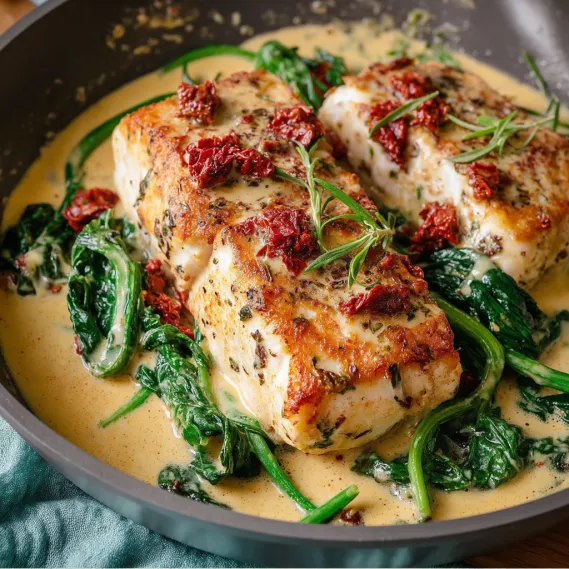
Paleo Mahi Mahi Creamy Tomato
There's something deeply satisfying about a dish that comes together in under 20 minutes but still feels indulgent and restaurant-worthy. This Paleo Mahi Mahi with Creamy Sun-Dried Tomato Sauce delivers tender, buttery fish enveloped in a luscious, tangy sauce that's rich without being heavy. Perfect for busy weeknights when you crave something special, or elegant enough for date night at home. The combination of sun-dried tomatoes and coconut milk creates a depth of flavor that's hard to resist, making it a repeat favorite for anyone who loves bold, fresh seafood.
What Makes This Recipe Special
- The sauce uses sun-dried tomatoes packed in oil, which infuses the coconut milk with a deep umami richness, balancing the natural sweetness of the fish.
- Pan-searing the mahi in ghee ensures a crisp, golden crust while keeping the fish perfectly moist inside - a technique borrowed from classic French cuisine.
- Dijon mustard is used not just for flavor but as an emulsifier, helping the coconut milk and tomato sauce blend into a velvety, restaurant-style consistency.
- The dish is naturally dairy-free, soy-free, and gluten-free but still delivers a creamy texture that rivals traditional sauces, thanks to coconut milk.
Ingredients
4 6-oz mahi mahi filets or any white fish
Salt and pepper to taste
2 tbspghee, divided, or preferred cooking oil
4 garliccloves, minced
1/4 cupsun-dried tomatoes packed in oil, chopped
1 cupfull-fat coconut milk or heavy cream (keto option)
2 tspdijon mustard or 1 tbsp lemon juice
Optional: 1/2 tsp red pepper flakes
2 cupspacked baby spinach
Nutrition
332 caloriesCalories
Per serving · Values are estimates
Instructions
1
Pat dry the mahi mahi filets and season with salt and pepper on both sides.
2
Heat 1 tablespoon of ghee in a nonstick skillet over medium-high heat. Pan fry the mahi mahi for 3-4 minutes on each side, depending on their thickness. Remove from pan and set aside.
3
Add the remaining tablespoon of ghee to the skillet. Add minced garlic and cook, stirring, for 1 minute until fragrant.
4
Add sun-dried tomatoes, coconut milk, dijon mustard, and red pepper flakes (if using). Scrape the bottom of the skillet with a wooden spoon while the mixture heats up.
5
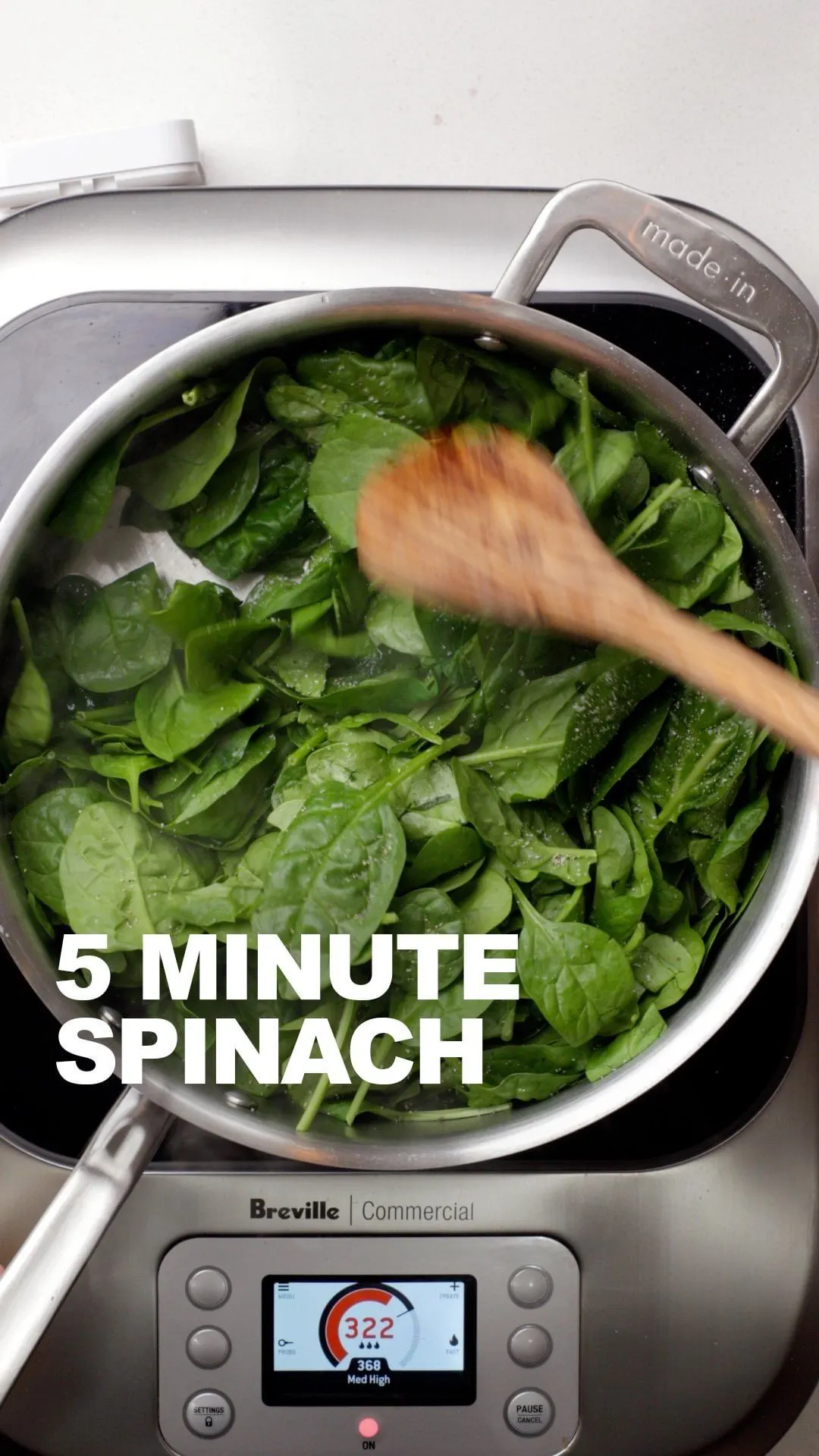
Once the sauce starts to boil, add spinach. Stir and cook until wilted and cooked down.
6
Return the mahi mahi filets to the skillet. Simmer for 1 minute, spooning the sauce over the fish. Serve immediately.
Essential Tips
Pat fish dry
Ensure the mahi filets are thoroughly patted dry with a paper towel before seasoning. Moisture on the surface prevents proper searing and leads to steaming instead of browning.
Medium-high heat
Use medium-high heat for searing the fish to achieve a crispy crust without overcooking the center. Too low, and it will dry out; too high, and the outside burns before the inside cooks.
Deglaze properly
After removing the fish, deglaze the pan with a splash of water or white wine (if not strictly Paleo) to lift the browned bits. These add flavor to the sauce when you build it back up.
Spinach timing
Add spinach only after the sauce reaches a gentle boil. It cooks down quickly and retains vibrant color and texture. Overcooking turns it mushy and dull.
Sauce reduction
Let the sauce simmer for just 2-3 minutes to thicken slightly. Over-reduction can make it too dense, while under does it won't cling properly to the fish.
Smart Swaps & Variations
No nightshades
Omit sun-dried tomatoes and red pepper flakes. Replace with 1 roasted red bell pepper (Paleo-friendly) and 1 tsp smoked paprika for a sweet, smoky depth.
Lower carb
Use heavy cream instead of coconut milk for a richer, lower-volume sauce with fewer carbs. Stir in 1 tsp apple cider vinegar to balance richness.
Nut-free
Replace ghee with refined coconut oil if avoiding tree nuts. Ensure all sun-dried tomatoes are oil-packed without added almonds or seeds.
Extra green
Add 1 cup chopped asparagus or zucchini ribbons to the sauce with the spinach. They cook in the same time and add freshness.
What to Serve With This
- Serve over a bed of cauliflower rice or roasted spaghetti squash for a grain-free base.
- Pair with a crisp green salad dressed with lemon and olive oil to cut through the richness.
- Offer a glass of dry white wine like Sauvignon Blanc or Pinot Grigio to complement the tangy tomato notes.
- Garnish with fresh basil or parsley for a pop of color and herbal contrast.
Storage & Reheating
Storage
Store leftover fish and sauce together in an airtight container in the refrigerator for up to 2 days. The sauce thickens as it cools, so add a splash of warm water or coconut milk when reheating to restore consistency.
Reheating
Reheat gently in a skillet over low heat, stirring often, until the fish reaches 130°F internally and the sauce is warmed through. Avoid microwaving to prevent the fish from becoming rubbery and the sauce separating.
Expert Chef Tips
- For the crispiest crust, score the skin-side of the filet lightly in a crosshatch pattern before searing. This helps render fat and prevents curling.
- Use the back of a spoon to press the mahi gently into the pan for the first 30 seconds of cooking. This ensures even contact and prevents the fish from sticking.
- If your coconut milk separates during simmering, whisk vigorously or blend briefly with an immersion blender to restore a smooth, creamy consistency before adding spinach.
Equipment You’ll Need
- 10-12 inch nonstick skillet or cast iron pan (for best sear and easy cleanup)
- Tongs for flipping fish without piercing the flesh
- Wooden spoon for scraping and stirring the sauce
- Paper towels for patting fish dry
Nutritional Benefits
- Rich in omega-3 fatty acids from mahi mahi, supporting heart and brain health, with approximately 2.5g per serving.
- Coconut milk provides medium-chain triglycerides (MCTs), which are easily converted into energy and may support metabolic health.
- Spinach adds fiber, vitamin K, and antioxidants like lutein, contributing to eye health and bone strength.
- Ghee is a source of butyrate, a short-chain fatty acid that supports gut health and reduces inflammation.
Reviews
No written reviews yet — be the first to cook this and share how it turned out!
Leave a Review
Frequently Asked Questions
Can I use frozen mahi mahi filets?
Yes, but thaw them completely and pat them very dry. Frozen fish releases more moisture, so patting is critical to avoid steaming. Thaw overnight in the fridge for best texture.
What's the best substitute for mahi mahi?
Use any firm white fish like cod, halibut, or sea bass. They hold up well to pan-searing and have a similar mild, slightly sweet flavor. Adjust cooking time to 4-5 minutes per side for thicker cuts.
Can I make this ahead for meal prep?
Yes, but store the sauce and fish separately. Reheat the sauce gently with a splash of water, then quickly warm the fish in the sauce just before serving to prevent overcooking.
Is this dish Whole30 compliant?
Yes, provided you use compliant sun-dried tomatoes (no added sugar or preservatives) and omit the optional red pepper flakes if sensitive. Double-check all ingredients for hidden additives.
Why is my sauce separating when cooking?
This happens if the heat is too high or the sauce isn't stirred frequently. Lower the heat to medium and whisk or stir constantly during simmering to maintain emulsification.
Can I use canned tomatoes instead of sun-dried?
Yes, but use 1/2 cup crushed tomatoes and reduce the coconut milk to 1/2 cup. Simmer the tomatoes first to concentrate flavor and remove excess liquid before adding the rest of the ingredients.
Is this keto-friendly?
Yes, as written. Coconut milk and ghee are both keto-friendly fats, and the dish is naturally low in carbs. Each serving has approximately 5g net carbs, primarily from spinach.
What can I do if the sauce is too thin?
Simmer the sauce uncovered for an additional 2-3 minutes to thicken naturally. If pressed for time, mix 1 tsp coconut flour with 1 tbsp cold water and stir into the sauce to thicken quickly.
More Dinner Victories
🔒 From the Vault — 43,000+ premium recipes
Cook This Next