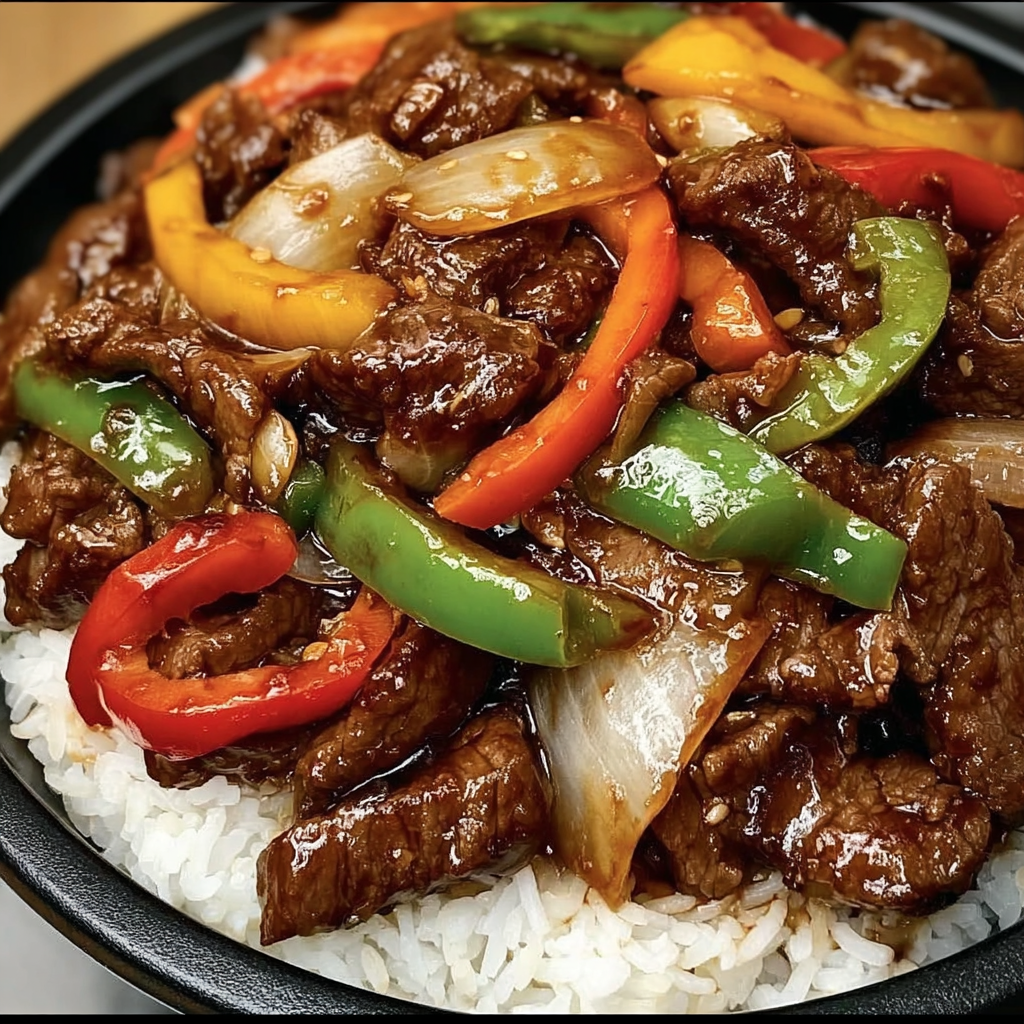
Chinese Pepper Steak Onions Peppers
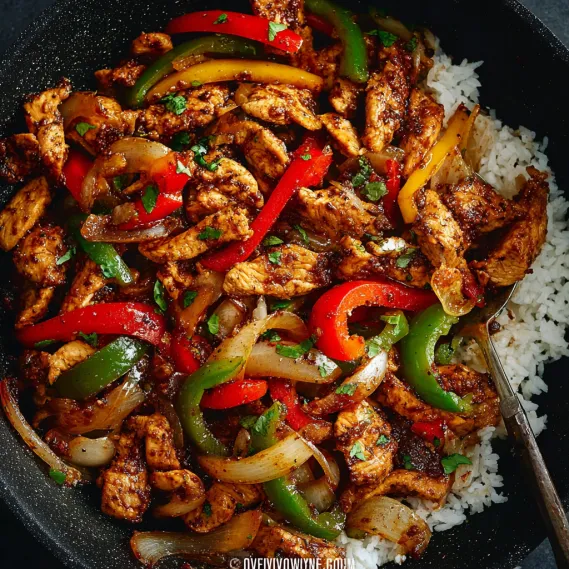
Home cooks adore this Chinese Pepper Steak for its bold, savory-sweet sauce and tender beef that pairs perfectly with fluffy rice. It's a weeknight hero-quick enough for busy evenings but impressive enough for dinner parties-thanks to its vibrant mix of bell peppers and onions. The dish balances richness with a lively crunch, making every bite irresistibly satisfying. Plus, it's one of those meals that tastes even better the next day, reheated just right.
What Makes This Recipe Special
- The double soy sauce trick: Using 2 tbsp soy sauce for marinating the beef and another ¼ cup in the sauce creates layers of umami without overpowering the dish.
- Cornstarch magic: The 1 tbsp cornstarch in the marinade tenderizes the beef during cooking and thickens the sauce to a glossy, restaurant-style finish.
- Oyster sauce boost: A mere 1 tbsp of oyster sauce (used twice) adds a subtle briny depth that elevates the dish beyond basic stir-fry.
- Sesame oil finish: Just 1 tsp of sesame oil added at the end brightens the flavors and gives the dish a fragrant, nutty aroma reminiscent of takeout.
Ingredients
1 ¼ lbsflank or sirloin steak, thinly sliced
1/2 redbell pepper, sliced
1/2 greenbell pepper, sliced
1/2 yellowbell pepper, sliced
1 largeonion, thickly sliced
2 garliccloves, minced
1 tbspginger, optional
2-3 tbsp vegetable oil
2 tbspsoy sauce
1 tbspoyster sauce
1 tbspcornstarch
1 tspsesame oil
¼ cupsoy sauce
1 tbspoyster sauce
1 tbsphoisin sauce, optional
1 tbspbrown sugar
1 tbspapple cider vinegar
2 tspcornstarch
2 tbspwater
Nutrition
315 caloriesCalories
Per serving · Values are estimates
Instructions
1
Combine soy sauce, oyster sauce, cornstarch, and sesame oil. Marinate the beef in this mixture for 15-30 minutes.
2
Heat vegetable oil in a pan or wok over medium-high heat. Sear the beef in batches until well-browned. Remove and set aside.
3
In the same pan, sauté garlic, ginger, onions, and bell peppers for 4-5 minutes until tender-crisp.
4
Return the beef to the pan. Add the prepared sauce mixture and stir until the sauce thickens and coats the ingredients, about 1-2 minutes.
5
Serve hot over steamed rice.
Essential Tips
Slice beef thinly
Freeze the steak for 30 minutes before slicing to make it easier to cut into thin, even strips. Aim for slices no thicker than ¼ inch to ensure quick cooking and melt-in-your-mouth texture.
High heat, fast cook
Use a well-seasoned wok or cast-iron skillet and blast the beef in batches over medium-high to high heat. Overcrowding the pan will steam the meat instead of searing it, leading to a dull texture.
Prep sauce ahead
Mix all the sauce ingredients (soy, oyster, hoisin, cornstarch, sesame oil) in a small bowl before starting to cook. This ensures the sauce is ready to go when the beef is seared, preventing overcooking of the veggies.
Veggies last
Add onions and bell peppers only after the beef is removed from the pan. This keeps them crisp-tender and prevents them from turning mushy during the final sauce stage.
Rice matters
Use day-old, cold rice for the best texture when serving. Freshly steamed rice can get gummy, but cold rice absorbs the sauce beautifully and stays separate, just like in a Chinese restaurant.
Smart Swaps & Variations
Spicy kick
Add 1-2 tsp of chili oil or ½ tsp red pepper flakes with the garlic and ginger for a fiery twist that cuts through the richness of the sauce.
Vegetarian
Swap beef for sliced firm tofu or mushrooms (like oyster or shiitake) and use vegetarian oyster sauce or soy sauce for depth.
Extra veggies
Toss in broccoli florets, snap peas, or baby corn with the onions and peppers for added texture and nutrition.
Gluten-free
Replace soy sauce with tamari or coconut aminos and ensure all sauces (oyster, hoisin) are gluten-free-some brands contain wheat.
What to Serve With This
- Steamed jasmine rice or brown rice for a wholesome base that soaks up the sauce.
- Crispy scallion pancakes or egg fried rice for a restaurant-style feast.
- A light cucumber salad with rice vinegar and sesame seeds to cut through the richness.
- Iced jasmine tea or Tsingtao beer to balance the savory-sweet flavors.
Storage & Reheating
Storage
Store leftovers in an airtight container in the fridge for up to 3 days. The sauce will thicken slightly, which is perfect for reheating.
Reheating
Reheat in a skillet over medium-low heat with a splash of water or broth to loosen the sauce. Avoid microwaving, as it can make the beef chewy and the veggies soggy.
Expert Chef Tips
- Use flank steak for the best texture, but if using sirloin, slice it against the grain to minimize toughness. The marinade's cornstarch helps, but proper slicing is key.
- For extra glossy sauce, add a pinch of baking soda to the marinade-it breaks down proteins in the beef, tenderizing it further and enhancing the sauce's sheen.
- Toast the sesame seeds separately in a dry pan for 1 minute before garnishing. Freshly toasted seeds add a nutty aroma that store-bought ones lack.
Equipment You’ll Need
- A well-seasoned wok or cast-iron skillet for high-heat searing and quick cooking.
- A sharp chef's knife for thinly slicing the beef and vegetables.
- A mixing bowl for marinating the beef and combining the sauce ingredients.
- A fine-mesh strainer (optional) for rinsing the beef if you're concerned about excess marinade.
Nutritional Benefits
- A single serving (about 1 cup) provides 315 calories, making it a balanced meal with protein from the beef and complex carbs from the rice.
- Rich in iron and protein from the flank or sirloin steak, which supports muscle repair and energy levels.
- Bell peppers add a hefty dose of vitamin C (about 90% DV per pepper) and antioxidants like beta-carotene.
- Moderate in sodium due to soy sauce, but you can reduce it by using low-sodium soy sauce or cutting the soy sauce in half.
Reviews
No written reviews yet — be the first to cook this and share how it turned out!
Leave a Review
Frequently Asked Questions
Can I use a different cut of beef?
Yes! Skirt steak, ribeye, or even ground beef (for a quicker version) work well. For ground beef, cook it first and drain excess fat before proceeding with the recipe. Thinner cuts like flank or sirloin are ideal for quick cooking.
My sauce turned out too thin. How do I fix it?
Thin sauces happen when the cornstarch isn't fully activated or the pan is too hot. First, try simmering the dish for another 1-2 minutes to evaporate excess liquid. If it's still too thin, mix 1 tsp cornstarch with 1 tbsp cold water and stir it in, cooking until thickened.
Can I make this ahead of time?
Absolutely! The beef can be marinated up to 24 hours in advance, and the sauce can be prepped ahead. Store them separately in the fridge. Cook the dish fresh when ready to serve for the best texture, but the components will keep for up to 2 days.
What's the best way to slice the bell peppers for even cooking?
Slice them into 1-inch-wide strips, keeping the pieces similar in size so they cook uniformly. For extra even cooking, slice the peppers into thin rings instead of strips-this ensures every piece is tender-crisp in the same amount of time.
Why does my beef turn out tough?
Tough beef usually comes from two things: not slicing thinly enough or overcooking. Slice the beef no thicker than ¼ inch and cook it quickly over high heat. The cornstarch marinade helps tenderize, but thin slices are crucial for melt-in-your-mouth texture.
Can I substitute hoisin sauce with something else?
If you don't have hoisin, use an extra 1 tbsp of oyster sauce or a mix of 1 tsp honey and 1 tsp soy sauce for a similar sweet-savory depth. Hoisin adds a fermented, slightly sweet note, so adjust to taste.
How do I prevent the onions from burning?
Cook onions over medium heat, not high, and stir frequently. If they start to darken too quickly, reduce the heat and add a splash of water or broth to deglaze the pan. The goal is tender-crisp, not caramelized.
Can I freeze this dish?
Yes, but the texture of the peppers and beef may soften slightly after thawing. Freeze the cooked dish in an airtight container for up to 2 months. Thaw overnight in the fridge and reheat gently in a skillet with a splash of water.
More Dinner Victories
🔒 From the Vault — 43,000+ premium recipes


Cook This Next