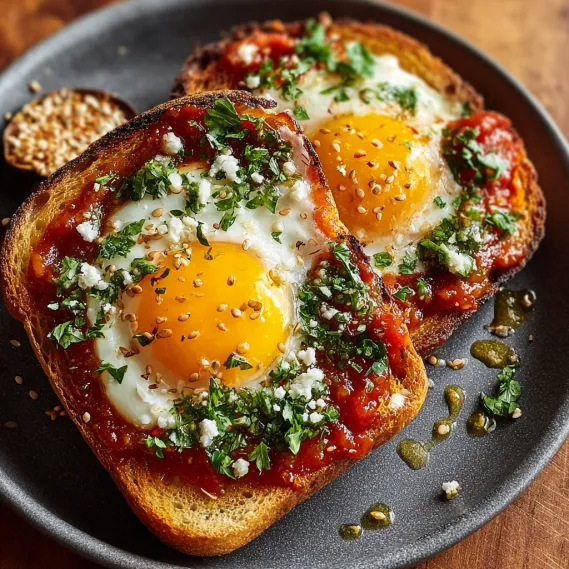

Scrambled Eggs with Kielbasa
There's something deeply comforting about waking up to the sizzle of kielbasa in a skillet, its smoky depth mingling with the sweetness of caramelized onions and the creamy richness of perfectly scrambled eggs. This dish isn't just breakfast-it's a cozy embrace on a chilly morning or a satisfying start before a long day. Home cooks love it for its simplicity, heartiness, and the way it transforms basic ingredients into something irresistibly craveable. Whether you're feeding a hungry family or treating yourself to a weekend indulgence, this recipe delivers every time.
What Makes This Recipe Special
- Kielbasa is pre-cooked, so you're browning it to deepen flavor-not to cook it through-letting its smoky essence infuse the eggs.
- The two-stage butter technique (one batch for the meat, one for the eggs) ensures rich flavor at every layer of the dish.
- Milk in the eggs isn't just for creaminess-it helps create a lighter, more tender curd when scrambled low and slow.
- The trick of stirring just once and letting the eggs sit builds slow-cooked texture, avoiding rubbery or overdone curds.
Ingredients
2 tablespoonsunsalted butter
1 cupkielbasa, sliced
1/2 mediumonion, finely diced
8 largeeggs
1/2 cupmilk
Salt, to taste
Pepper, to taste
Shredded cheddar cheese, optional
Chives, for garnish
Nutrition
290 caloriesCalories
Per serving · Values are estimates
Instructions
1
Crack the eggs into a mixing bowl. Add the milk, salt, and pepper. Whisk until the mixture is well combined and slightly frothy. Set aside.
2
In a non-stick skillet over medium heat, melt one tablespoon of butter. Add the sliced kielbasa and cook until it starts to brown, stirring occasionally, about 5 minutes.
3
Add the chopped onion to the skillet with the kielbasa. Sauté until the onion is translucent and fragrant, about 3 minutes.
4
Lower the heat to medium-low and add the remaining butter to the skillet. Once the butter has melted, pour in the egg mixture. Let it sit undisturbed for a few moments, then gently stir with a spatula, folding the eggs over themselves, and cook to your preferred level of doneness.
5
If you’re using cheese or additional herbs, stir them in when the eggs are about done but still slightly runny. The residual heat will finish cooking the eggs and melt the cheese. Serve immediately, with toast or a side of roasted vegetables, garnished with extra herbs or a sprinkle of paprika for color.
Essential Tips
Use room-temperature eggs
Take the eggs out of the fridge 10-15 minutes before cooking. Cold eggs seize up when they hit hot butter, making them tougher to scramble smoothly. Room-temperature eggs blend into a silky, even mixture and curd gently.
Slice kielbasa thinly
A ⅛-inch slice gives maximum flavor surface area without overpowering the eggs. Thicker slices can dominate the dish. For extra tenderness, lightly score the slices before cooking to help render fat.
Salt the eggs after mixing
Salt the egg-milk mixture just before cooking. Salting early can break down the proteins too much, leading to denser curds. A pinch of salt at this stage enhances flavor without affecting texture.
Keep heat steady and low
Medium-low is ideal-hot enough to gently set the eggs, cool enough to avoid dryness. If the butter browns too fast, lower the heat further. Patience here beats rushing for perfect texture.
Fold in cheese at the right moment
Add shredded cheddar when eggs are still slightly runny-about 30 seconds before they look fully done. The residual warmth will melt it evenly without turning it stringy or greasy.
Smart Swaps & Variations
Vegetarian
Swap kielbasa for smoked tofu or tempeh, thinly sliced and pan-fried until crisp. Use a dash of smoked paprika to mimic kielbasa's smokiness.
Spicy kick
Add ¼ teaspoon smoked paprika and a pinch of cayenne to the eggs before cooking. Serve with hot sauce or pickled jalapeños for extra fire.
Herb boost
Fold in 2 tablespoons chopped fresh dill or parsley at the end for brightness. Avoid delicate herbs like basil-they wilt too quickly in warm eggs.
Cheesy overload
Layer in ¼ cup crumbled goat cheese or pepper jack with the cheddar for a tangy, melty twist. Works especially well in a breakfast burrito.
What to Serve With This
- Buttered sourdough toast or a warm bagel to soak up the buttery egg juices.
- A chilled glass of tart orange juice or a frothy cappuccino to balance the richness.
- Fresh fruit salad with berries or sliced apples for a bright, crisp contrast.
- Perfect for a brunch spread-pair with roasted breakfast potatoes and a simple green salad.
Storage & Reheating
Storage
Store leftovers in an airtight container in the fridge for up to 2 days. The eggs will dry slightly but can be revived with a splash of milk when reheating.
Reheating
Reheat gently in a non-stick skillet over low heat with a splash of milk or water, stirring often. Microwaving works in a pinch but tends to make eggs rubbery-use 30-second intervals and stir well.
Expert Chef Tips
- Use a silicone spatula for folding-its flat edge helps press curds gently against the pan, encouraging even cooking without overstirring.
- For ultra-creamy eggs, temper the egg mixture by drizzling a spoonful of the hot butter from the skillet into the eggs before combining. This prevents curdling.
- If the eggs start to look dry, add a teaspoon of hot water or milk to the pan-it steams the eggs back to tenderness without thinning the flavor.
Equipment You’ll Need
- Non-stick skillet (10-12 inches) for easy stirring and even cooking.
- Whisk or fork for blending eggs and milk thoroughly.
- Mixing bowl (medium) for combining eggs and dairy before cooking.
- Fine-mesh sieve or strainer (optional) if you prefer ultra-smooth scrambled eggs-strain the egg mixture before cooking.
Nutritional Benefits
- High in protein (about 18g per serving from eggs and kielbasa) to keep you full and energized.
- Rich in B vitamins (especially B12 from eggs and kielbasa) for sustained energy and brain function.
- Contains healthy fats from butter and eggs, supporting hormone balance and nutrient absorption.
- Moderate sodium content due to kielbasa-opt for low-sodium versions if watching salt intake.
Reviews
No written reviews yet — be the first to cook this and share how it turned out!
Leave a Review
Frequently Asked Questions
Can I use pre-cooked kielbasa instead of fresh?
Absolutely. Since kielbasa is already fully cooked, pre-cooked or cured varieties work perfectly. Just slice and brown as directed-no need to pre-cook it further. This makes it ideal for a quick breakfast.
Why do my eggs turn out rubbery? What did I do wrong?
Overheating is the most common culprit. Eggs scramble best over medium-low heat with constant, gentle stirring-don't rush them. Also, avoid over-salting the eggs before cooking, as salt can prematurely coagulate proteins.
Can I make this ahead for meal prep?
Yes, but cook the eggs just until they're set but still slightly moist. Store in the fridge and reheat gently with a splash of milk or water. They won't be as creamy as freshly made, but they'll still taste great.
Is this recipe gluten-free?
Yes, this recipe is naturally gluten-free as long as the kielbasa is certified gluten-free. Always check labels, as some kielbasa brands contain gluten as a binder or filler.
What's the best way to finely dice the onion quickly?
Cut the onion in half from root to stem, then make horizontal cuts across the flat side. Finally, slice vertically into thin pieces. This method creates evenly sized, fine dice in under a minute.
Can I substitute milk with cream or water?
You can use heavy cream for extra richness, but it may make the eggs denser. Water works in a pinch for volume but lacks the creamy texture milk provides. Stick with whole milk for the best balance.
How do I prevent the kielbasa from curling up?
Slice it thinly and evenly-about ⅛ inch thick. Also, score the slices lightly on one side before cooking. This helps release fat and prevents tight curling, ensuring even browning.
Can I add vegetables like spinach or bell peppers?
Yes! Sauté them with the onion before adding the kielbasa. Spinach works best if you add it at the very end-just wilt it in the pan with the eggs. Bell peppers add a nice crunch and sweetness.
More Morning Fuel

🔒 From the Vault — 43,000+ premium recipes
Cook This Next