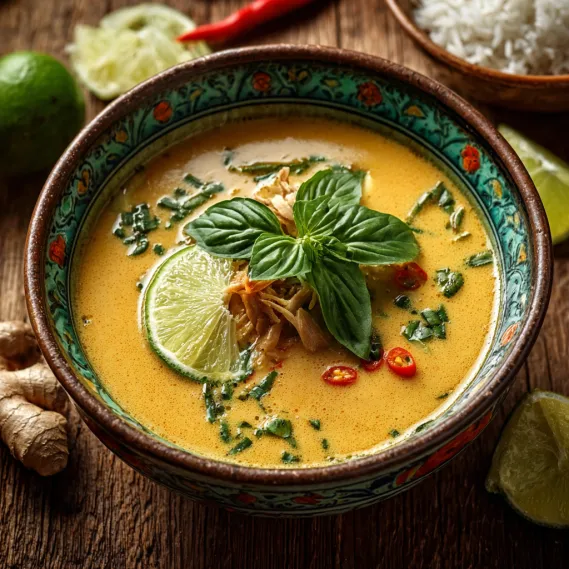
Thai Coconut Curry Sauce
This Thai Coconut Curry Sauce is the secret weapon every home cook needs in their recipe arsenal. With its velvety texture and aromatic depth, it transforms simple proteins or vegetables into a restaurant-worthy dish that feels indulgent yet wholesome. Perfect for weeknight dinners when you crave something comforting, it also shines at gatherings where you want to impress without spending hours in the kitchen. What makes it irresistible? The harmonious balance of creamy coconut milk, fragrant herbs, and a hint of tangy lime that lingers on your palate.
What Makes This Recipe Special
- The sauce develops maximum flavor when the curry paste blooms in hot oil for a full 2 minutes, releasing its essential oils and creating a complex base.
- Using full-fat coconut milk ensures a luxuriously rich texture, while just 1 tablespoon of red curry paste delivers bold flavor without overwhelming heat.
- Fresh Thai basil and lime juice are added at the very end to preserve their vibrant aromatics, which would otherwise dissipate during cooking.
- A touch of palm sugar caramelizes slightly in the simmering sauce, adding a subtle molasses-like sweetness that rounds out the spicy and savory notes.
Ingredients
2 tablespoonsvegetable oil, preferably coconut oil
1 cuporganic shallots, finely chopped
3 clovesgarlic, minced
1 tablespoonfresh ginger, grated
1 tablespoonred curry paste, adjust based on spice preference
1 cancoconut milk, 400ml, full-fat for richness
1 tablespoonfish sauce or soy sauce for a vegetarian version
1 tablespoonpalm sugar or light brown sugar as a substitute
1 cupThai basil leaves, washed and roughly chopped
1 lime, juice freshly squeezed
Nutrition
313 caloriesCalories
Per serving · Values are estimates
Instructions
1
Heat the vegetable oil in a large saucepan over medium heat, approximately 180°C (350°F). Add the chopped shallots and sauté until they become translucent and fragrant, about 2-3 minutes.
2
Stir in the minced garlic and grated ginger. Cook for an additional minute until aromatic, but ensure they do not brown.
3
Incorporate the red curry paste into the mixture, stirring continuously for 2 minutes to allow the spices to bloom.
4
Pour in the coconut milk, fish sauce, and palm sugar. Stir gently to combine all ingredients. Bring the mixture to a gentle simmer, allowing the flavors to meld together for 15 minutes.
5
Remove the saucepan from heat. Stir in the chopped Thai basil leaves and freshly squeezed lime juice just before serving to maintain their fresh flavor.
Essential Tips
Bloom spices thoroughly
Don't rush the cooking of shallots, garlic, and ginger-let them soften and develop sweetness over medium heat for 3-4 minutes before adding curry paste. This builds depth without burning.
Simmer gently
Bring the sauce to a gentle simmer, not a rolling boil, to prevent the coconut milk from separating. Stir occasionally to ensure even cooking and to avoid sticking.
Adjust consistency
If the sauce is too thick, add a splash of warm water or coconut milk. If too thin, simmer uncovered for a few minutes to reduce and intensify flavors.
Balance flavors
Taste before serving and adjust seasoning-add more fish sauce for saltiness, sugar for sweetness, lime for acidity, or curry paste for heat. The sauce should taste vibrant and layered.
Strain for silkiness
For an ultra-smooth sauce, strain it through a fine-mesh sieve after simmering to remove any fibrous bits from shallots or ginger. This is especially helpful if serving with delicate proteins.
Smart Swaps & Variations
Vegetarian
Swap fish sauce for soy sauce or tamari and use vegetable broth instead of fish sauce to maintain umami depth.
Spicier
Add ½ teaspoon of cayenne pepper or 1-2 chopped Thai chilies when blooming the aromatics for a fiery kick.
Creamier
Stir in 2 tablespoons of unsweetened coconut cream at the end for a thicker, more decadent sauce.
Lighter
Use light coconut milk and reduce palm sugar by half. Add a splash of rice vinegar for brightness to compensate for reduced depth.
What to Serve With This
- Serve over jasmine rice or cauliflower rice for a low-carb option, with fresh rice paper rolls on the side for dipping.
- Pair with grilled lemongrass chicken, pan-seared tofu, or crispy baked salmon for a protein-packed meal.
- For a vegetarian feast, toss with roasted sweet potatoes, bell peppers, and snap peas, garnished with crushed peanuts.
- Enjoy as a dipping sauce for spring rolls, lettuce wraps, or even as a base for a Thai-inspired Buddha bowl.
Storage & Reheating
Storage
Store the sauce in an airtight container in the refrigerator for up to 5 days. The flavors will deepen over time, making it even more delicious the next day.
Reheating
Reheat gently over low heat, stirring frequently to prevent scorching. Add a splash of water or coconut milk if the sauce has thickened too much during storage.
Expert Chef Tips
- Toasting the curry paste in the oil for an extra minute after it blooms adds a subtle smokiness and prevents the sauce from tasting flat-try it with a dry pan first to avoid burning.
- For a shortcut, use a mortar and pestle to pound the shallots, garlic, and ginger into a rough paste before sautéing. This releases more aroma and creates a smoother sauce.
- If using fresh curry paste, reduce the sugar slightly, as homemade versions often contain added sweetness. Taste and adjust after simmering to avoid an overly sweet profile.
Equipment You’ll Need
- Large saucepan or deep skillet with a heavy bottom to prevent scorching
- Fine-mesh sieve for straining (optional, for ultra-smooth sauce)
- Mortar and pestle (optional, for pounding aromatics)
- Immersion blender (optional, for quick re-emulsification if needed)
Nutritional Benefits
- High in healthy fats from coconut milk, providing sustained energy and supporting satiety.
- Contains anti-inflammatory compounds from ginger and garlic, which may help reduce oxidative stress.
- Moderate in calories (313 per serving) but nutrient-dense, offering minerals like iron and magnesium from the spices.
- Low in carbohydrates when served with non-starchy vegetables, making it suitable for low-carb or keto diets.
Reviews
No written reviews yet — be the first to cook this and share how it turned out!
Leave a Review
Frequently Asked Questions
Can I make this sauce ahead of time?
Yes! The sauce actually tastes better after resting for a few hours or overnight, as the flavors meld. Store it in the fridge and reheat gently when ready to serve. Avoid freezing, as coconut milk can separate and become grainy upon thawing.
What's the best substitute for fish sauce in a vegetarian version?
Use soy sauce, tamari, or coconut aminos for a salty, umami-rich base. For a fermented depth, add a pinch of nutritional yeast or a splash of miso paste dissolved in a little warm water.
How do I fix a sauce that's too spicy?
Balance the heat by stirring in more coconut milk, a teaspoon of sugar, or a squeeze of lime to counteract the burn. If the spice is overwhelming, dilute with additional broth or water and adjust seasoning.
Can I use light coconut milk instead of full-fat?
Yes, but the sauce will be thinner and less rich. To compensate, reduce the simmering time slightly to prevent curdling, and consider finishing with a drizzle of coconut cream for extra decadence.
Why does my coconut milk separate when cooking?
Coconut milk separates when heated too quickly or boiled vigorously. Always simmer gently over medium-low heat and stir frequently. If separation occurs, blend the sauce briefly with an immersion blender to re-emulsify.
What's the best way to store leftover sauce?
Transfer the cooled sauce to a clean, airtight container and press a piece of parchment paper directly onto the surface before sealing. This prevents a film from forming on top and keeps the sauce fresher longer.
Can I freeze this sauce?
Freezing is not recommended due to the high fat content in coconut milk, which can separate and become grainy when thawed. If you must freeze, blend the thawed sauce vigorously to restore some of its texture.
How can I make this sauce less sweet?
Reduce the palm sugar to ½ tablespoon or omit it entirely, relying on the natural sweetness of the coconut milk and shallots. Taste and adjust with extra lime juice or a pinch of salt to balance the flavors.
More Dinner Victories
🔒 From the Vault — 43,000+ premium recipes


Cook This Next