Home » Vault » Hanger Steak with Tomatoes and Onion
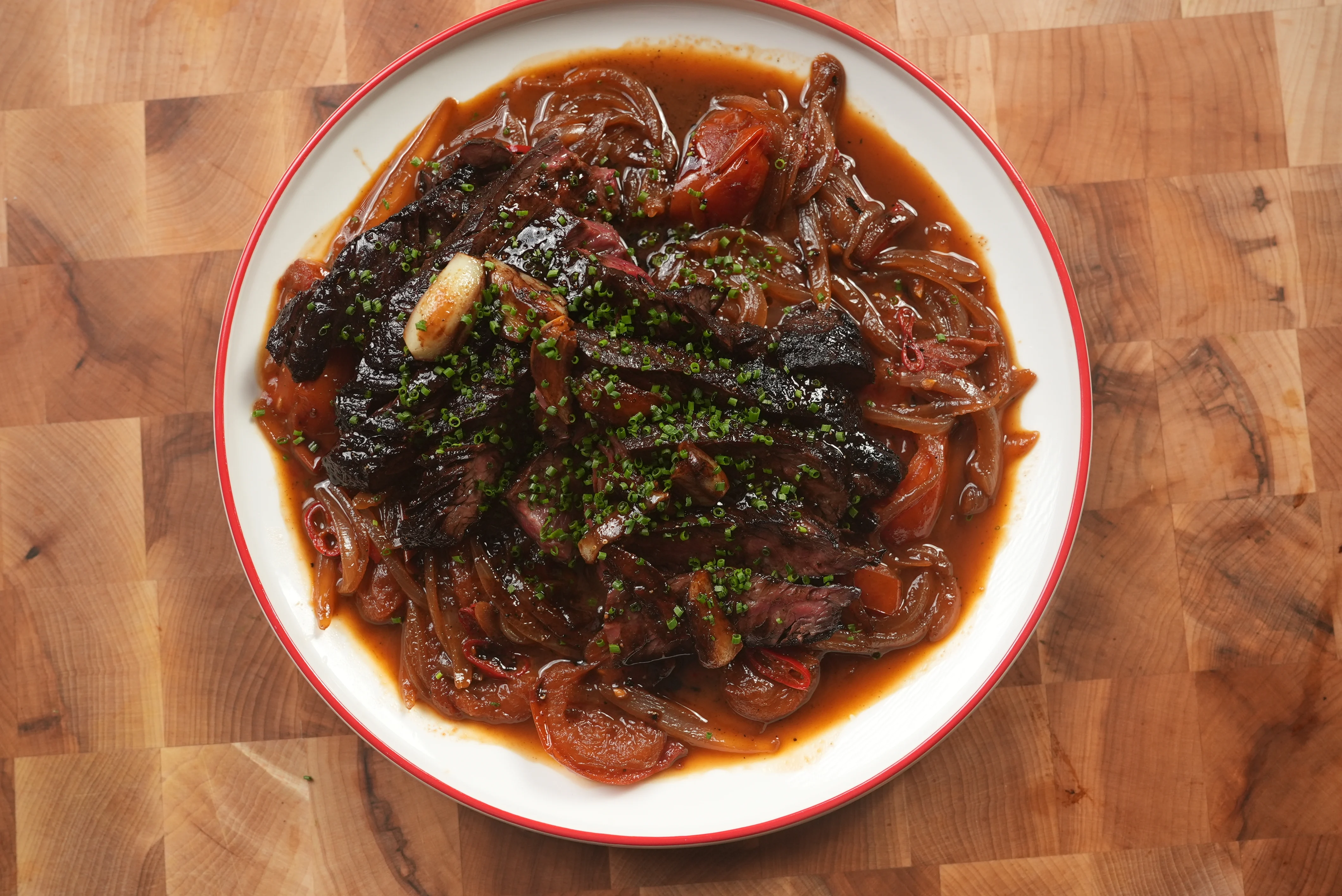
Hanger Steak with Tomatoes and Onion
As someone who films and shares recipes for a living, this is what I make when I don’t feel like cooking. The goal? Make something that hits the spot with minimal time, effort, and cleanup. Steak is a go-to on lazy nights because it’s filling and doesn’t need much to taste amazing. I’ll often just eat it straight up—seared with salt and pepper—but sometimes you want to change it up without making a whole mess for yourself. This might look fancy, but it’s so easy. Everything comes together in one pan. You sear the steak, then let it finish gently in the oven while you knock out a simple sauce in the same pan. Not only does that unlock the power of all that glorious fond, but it also naturally deglazes the pan so you won’t be scrubbing it like you just did a 10-hour braise. And that soy glaze... wow. Like I said, I’m usually just a salt and pepper guy—but this adds an extra layer of oomph without overpowering the beefy flavor. It’s simple, it’s brilliant, and the sticky, soft garlic might honestly be the best part of the whole dish. If you like this recipe, think of it as a blueprint for an endless array of other dinners: sear a protein, make a pan sauce, done. Steak Best Practices: 1. Dry it thoroughly. Moisture is the enemy of a good crust. Pat the steak as dry as possible with paper towels—don’t be shy. If you’ve got time, let it sit uncovered on a wire rack in the fridge overnight to dry out even more. 2. Season early (if possible). Salt and pepper are all you need. Season just before cooking, or the day before if you're doing the fridge-dry step—this gives you a better crust and deeper flavor. Avoid seasoning early without drying time, or it’ll just draw out moisture. 3. Use a heavy pan and screaming high heat. Cast iron or carbon steel is best. Get the pan just to the smoke point so the steak sears immediately. Too cold, and you’ll get a sad, gray crust. 4. Don’t crowd the pan. If you’re cooking more than one, do it in batches. Overcrowding drops the heat and leads to steaming instead of searing. 5. Flip for an even crust. Flip once for simplicity, or flip every 30–60 seconds for an ultra-even golden crust. Bonus: it helps the inside cook more gently. 6. Undercook slightly before finishing in the oven. For this recipe, you glaze the steak early and finish it in a low oven. Sear it until rare (or even blue rare), then let it finish cooking gently in the oven. 7. Use a thermometer—or learn the feel. I go by feel (medium-rare hanger steak should be soft but springy), but if you’re new to steak, use a thermometer: Rare: 120–125°F Medium-rare: 130–135°F Medium: 140–145°F 8. Rest the steak. Always. Give it at least 5–10 minutes out of the oven before slicing. It locks in the juices and improves texture. 9. Slice against the grain. Especially with hanger steak, which has a pronounced grain, slicing across the fibers is key for a tender bite. 10. Don’t forget the finishing touches. The pan sauce brings umami, acidity, and a gentle bite from the chili. Spoon it generously over the plate, lay the steak on top, and finish with the garlic, any resting juices, a splash of lime, a drizzle of olive oil, and some chives.
Ingredients
Method
More from the Vault
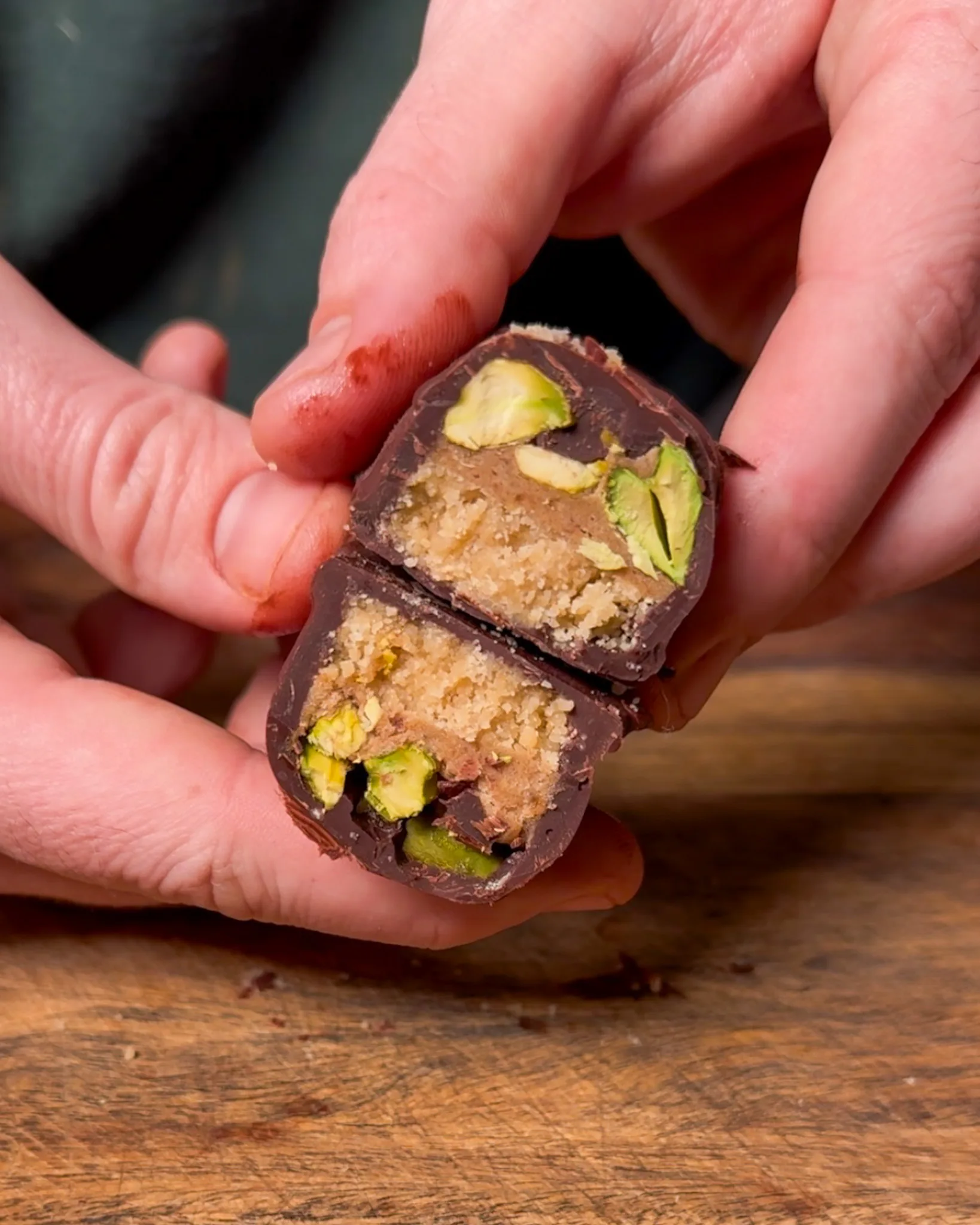
Homemade Snickers Bar
I love Snickers bars, and I had no idea how easy it is to make them from scratch! No complicated steps, barely…
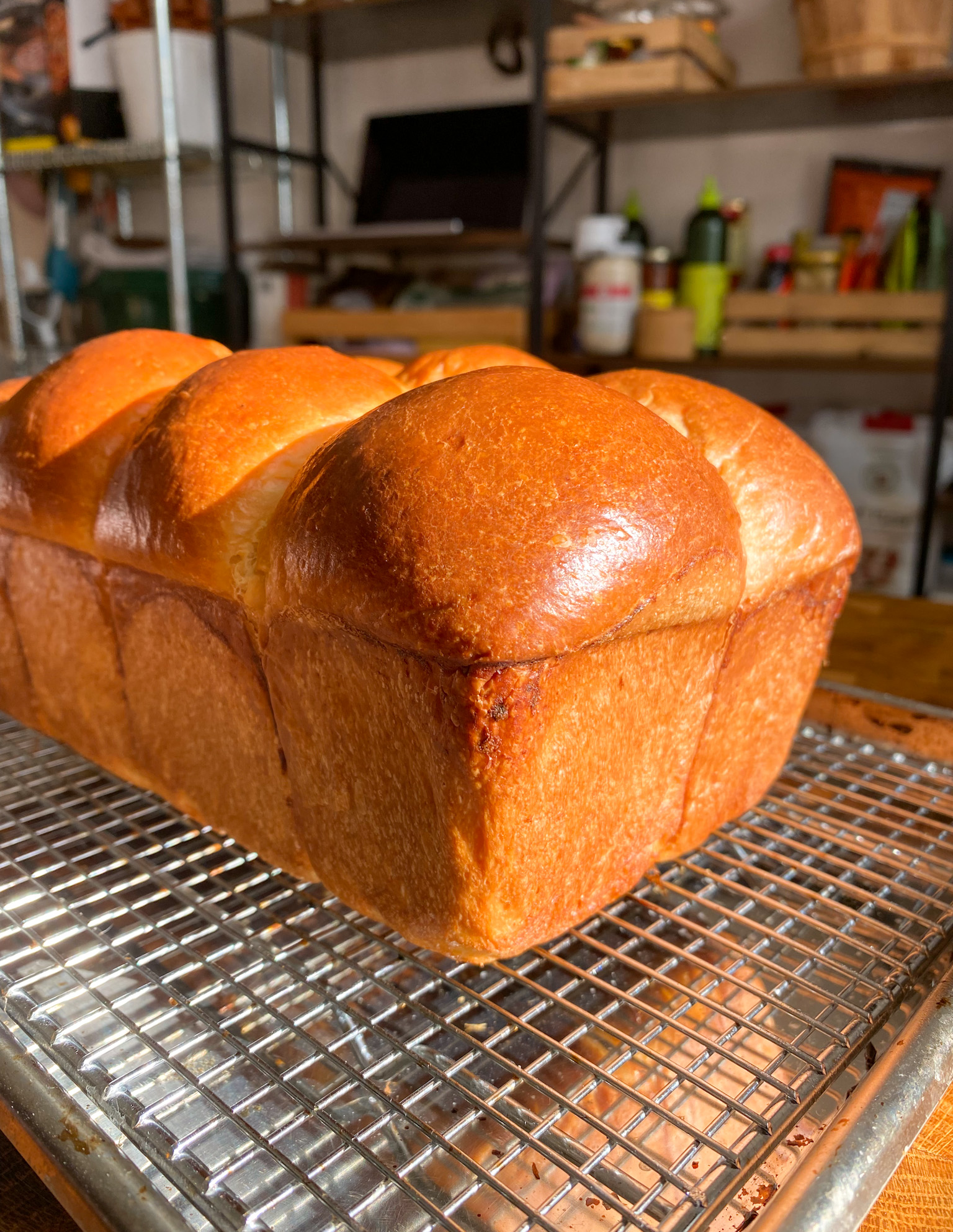
French Brioche
Brioche is one of the richest doughs I’ve ever made, yet fluffy like a cloud. Unlike the common assumption, th…
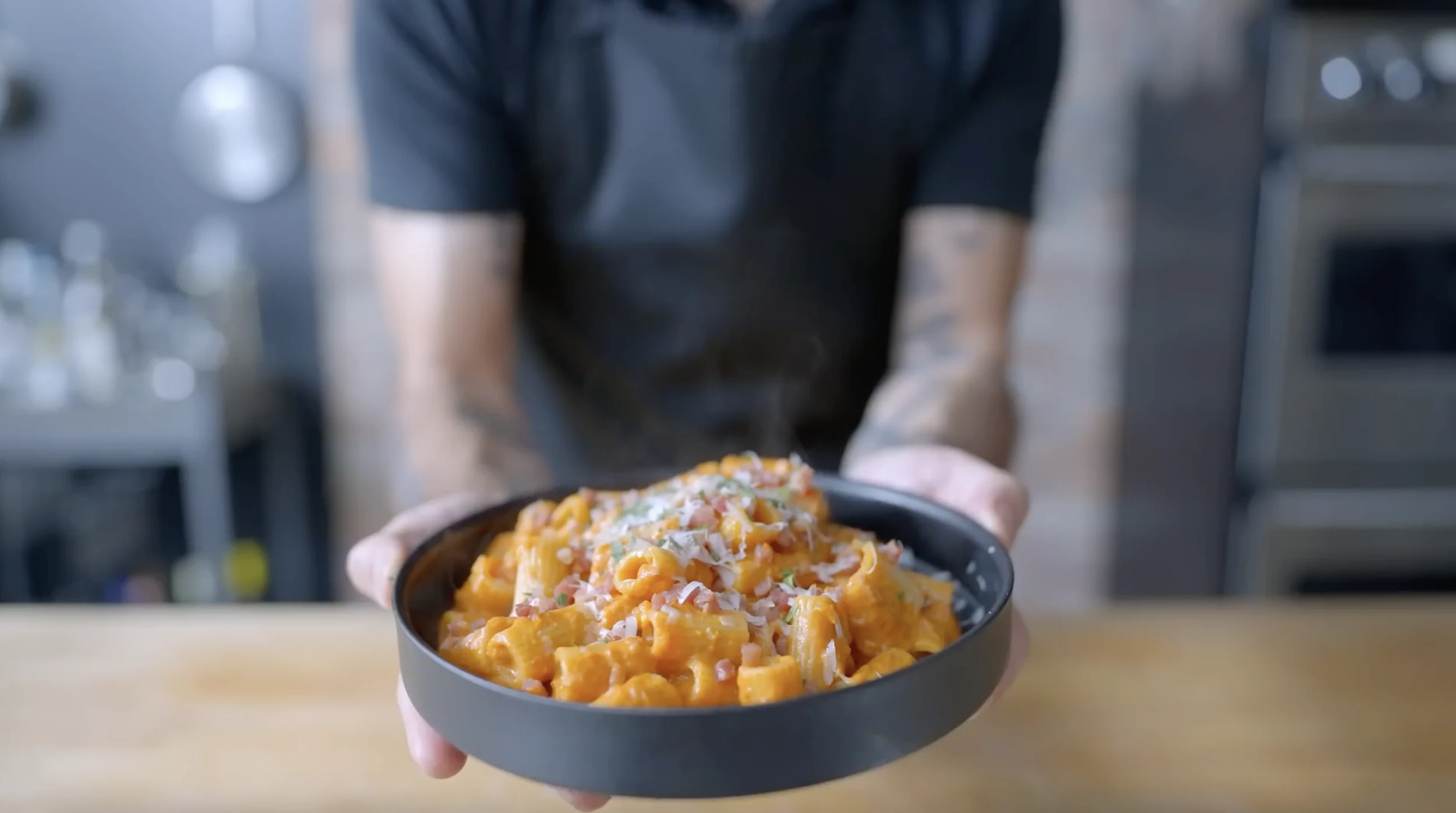
Vodka Pasta
Vodka pasta is one of those delicious dishes which is faaar greater than the sum of its parts. This is a tough…
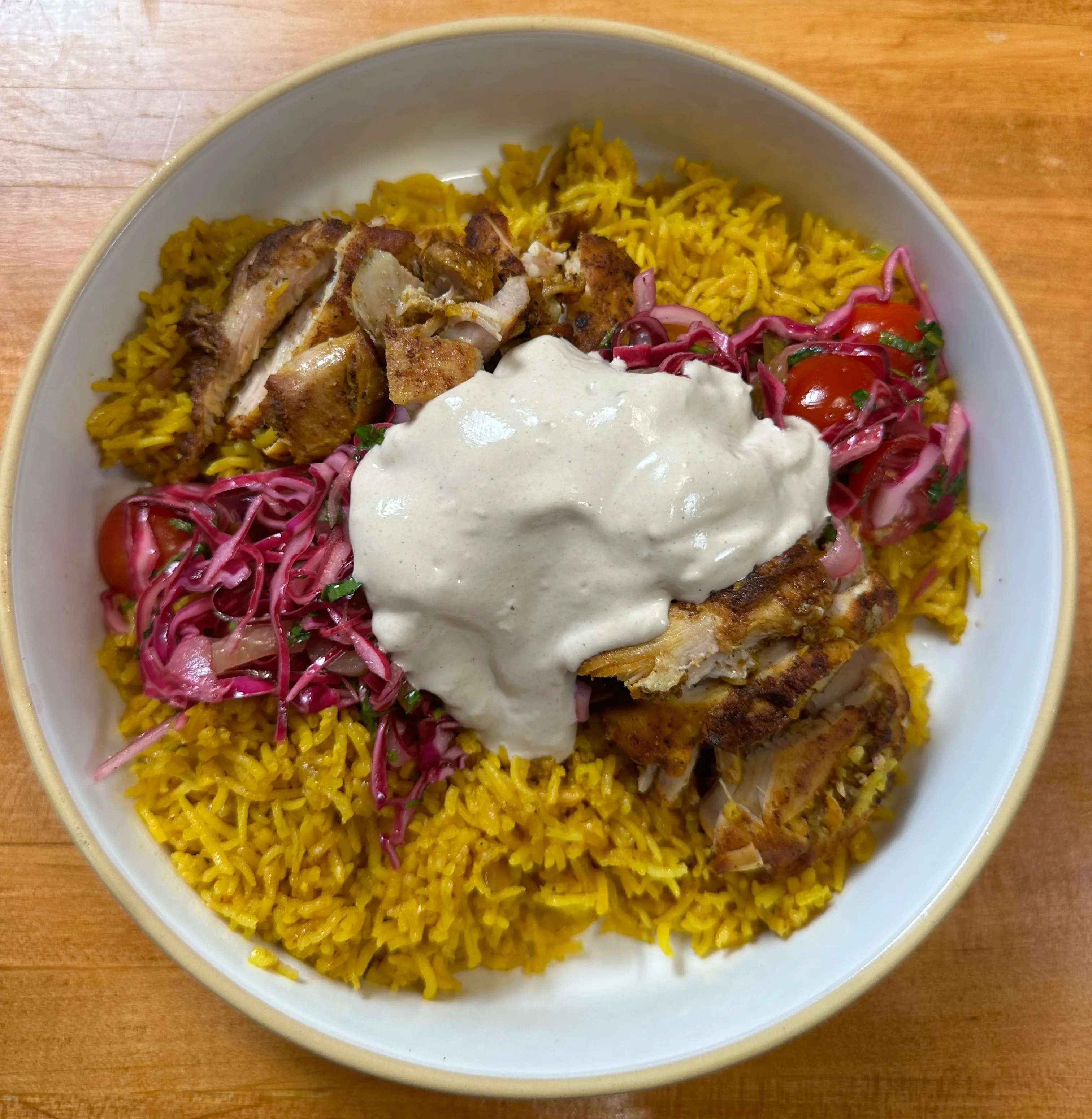
One Pot Shawarma Rice
This a super easy one pot dish inspired by one of my favorite foods on Earth. I marinate my chicken thighs in…
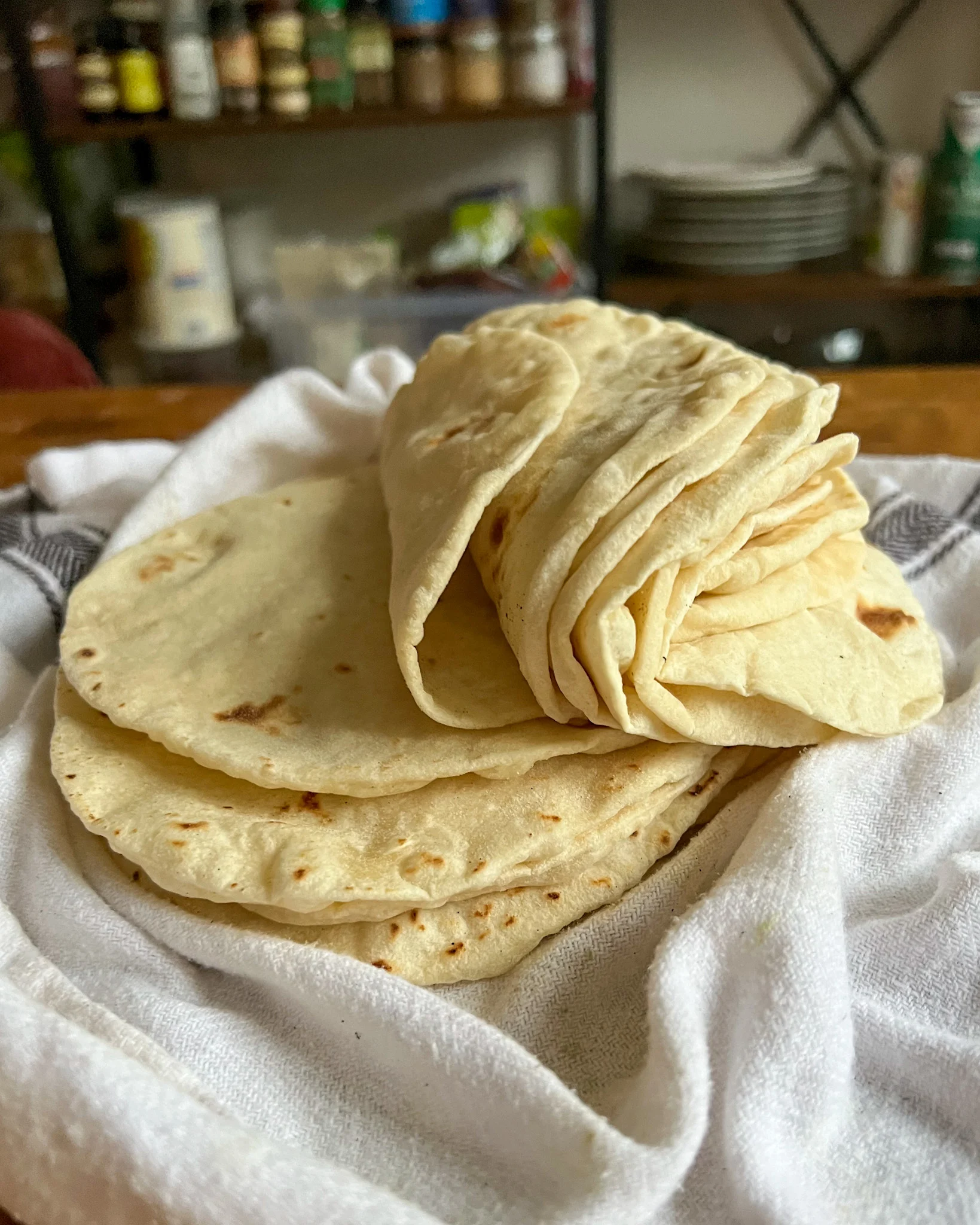
Flour Tortillas
What's up, tortilla lovers! If you're a fan of Mexican food (and who isn't?), you know that nothing beats the…
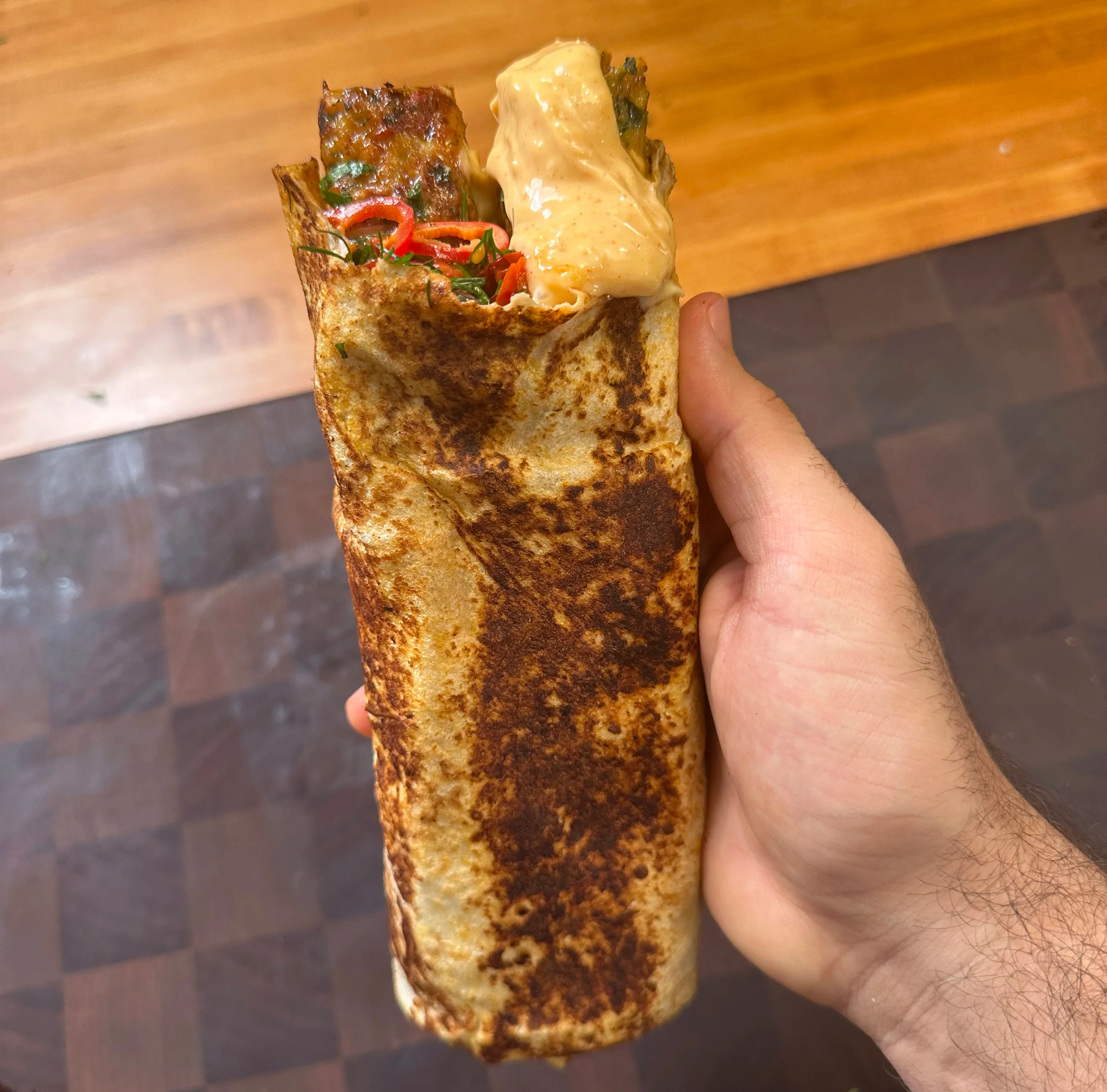
Sheetpan Chicken Kefta
You guys went bonkers for my sheetpan kefta recipe, so I went ahead and developed a lighter version with chick…
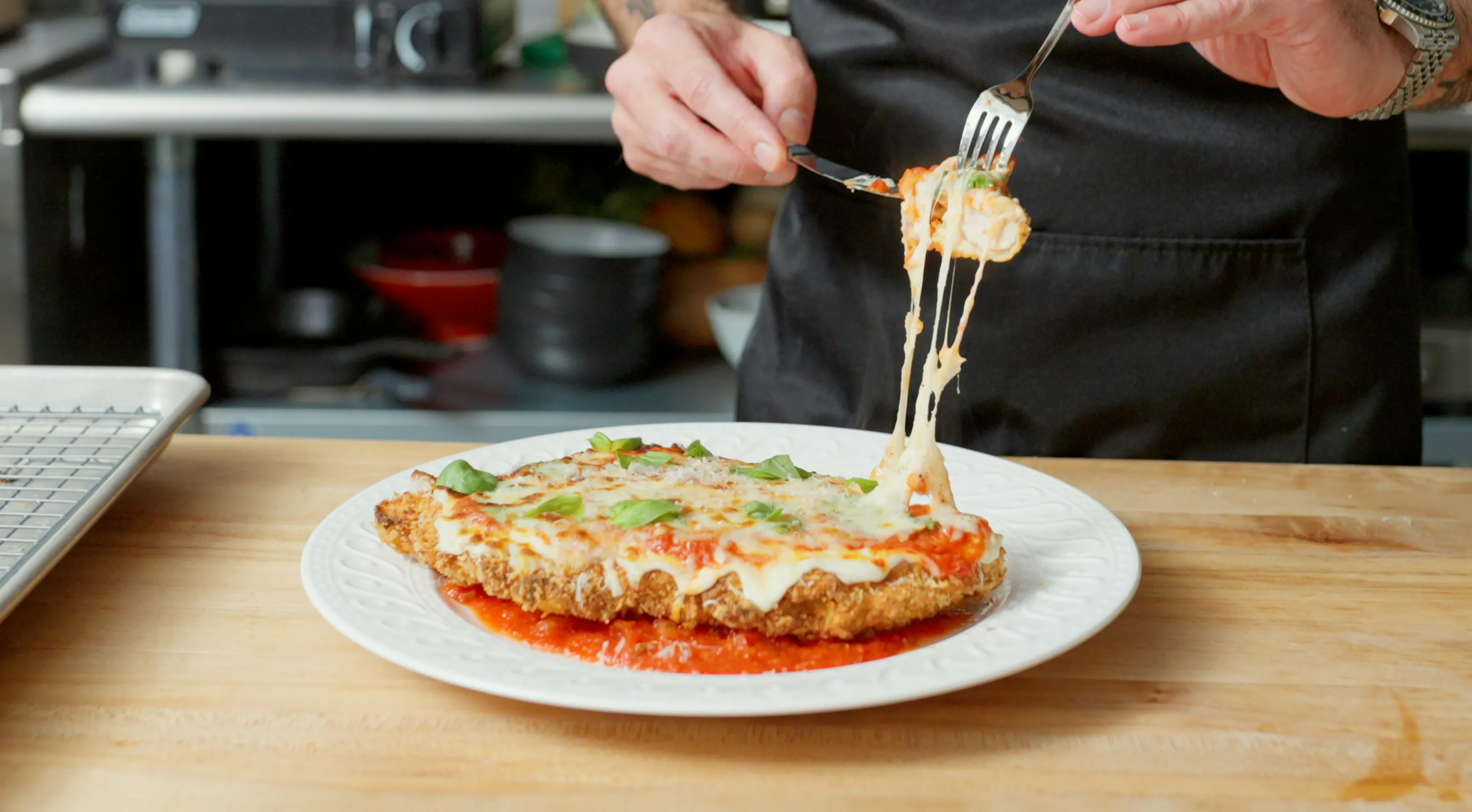
Babish's Ultimate Chicken Parm
A couple of subtle but noticeable changes to the orthodoxy of chicken parm make this a luxurious and addiction…
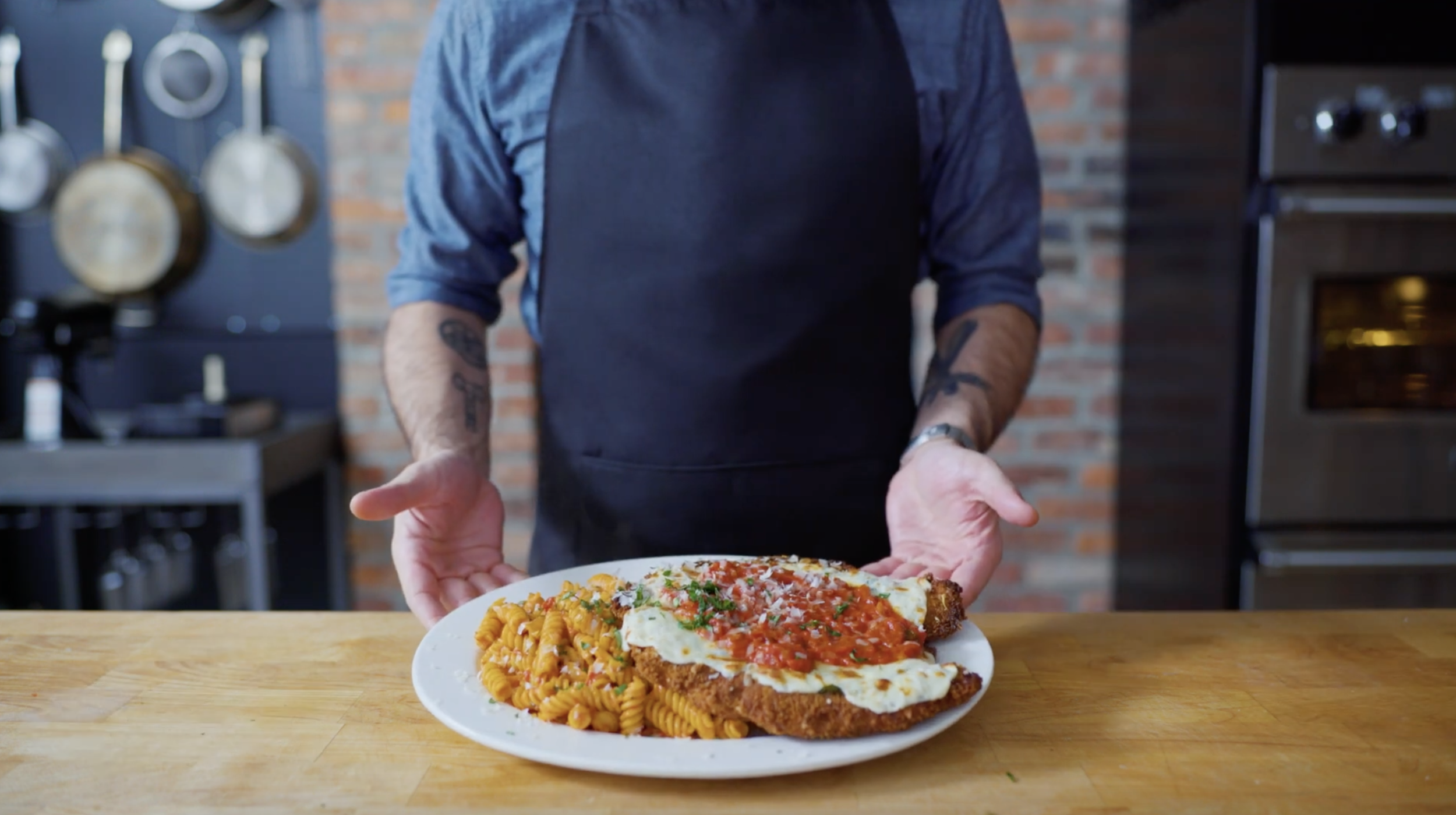
Chicken Parmesan
Today on basics, we are making chicken parmesan!