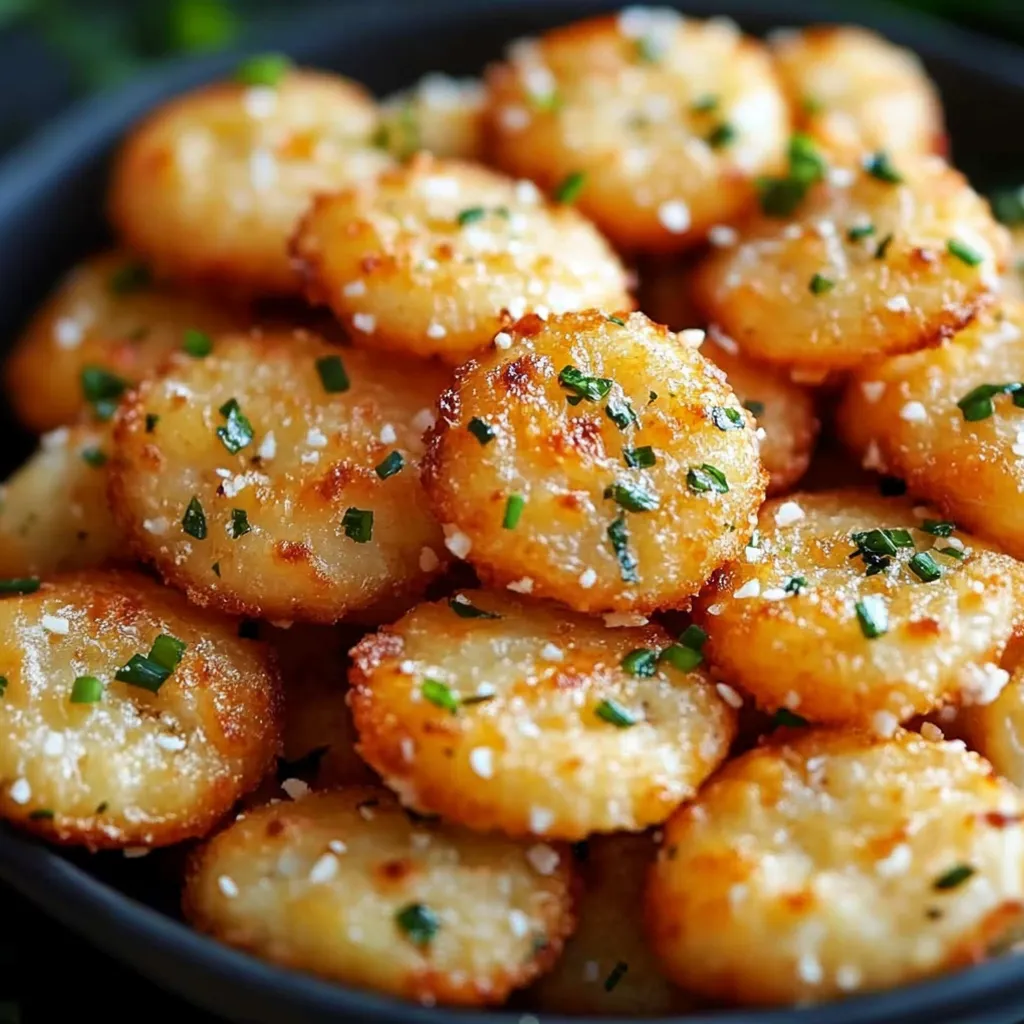
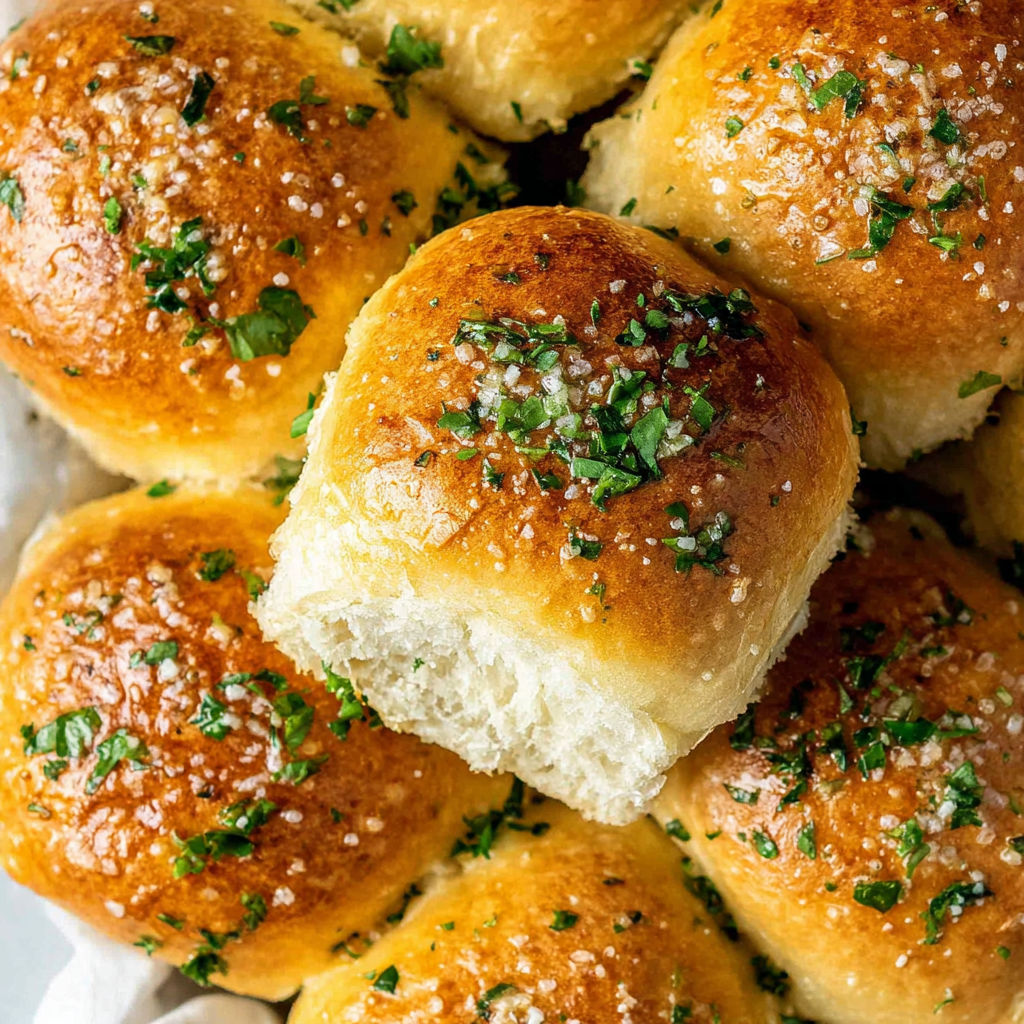
Garlic Bread Butter Rolls
There's something magical about the scent of freshly baked garlic bread rolls filling the kitchen-it's the kind of warmth that turns a simple meal into a gathering. Perfect for holiday feasts, cozy Sunday suppers, or even a quick weeknight treat, these rolls are irresistibly soft and fragrant with fresh garlic and butter. The golden crust gives way to a pillowy interior, making every bite a little slice of heaven. Home cooks love them because they're foolproof yet feel indulgent, a rare combination that never fails to impress.
What Makes This Recipe Special
- The double-butter technique: First, the dough is infused with butter during mixing, then brushed with a garlic-infused butter glaze after baking for maximum flavor saturation.
- Quick-rise yeast paired with whole milk creates an ideal environment for rapid, yet tender, dough development-perfect for last-minute gatherings.
- Fresh parsley isn't just a garnish here; it's finely chopped and mixed into the dough for subtle herbal brightness that cuts through the richness.
- A flaky sea salt sprinkle right at the end elevates the flavor profile, balancing sweetness and enhancing the garlic aroma without overpowering.
Ingredients
4 1/2 tablespoonsunsalted butter
2 tablespoonsfinely chopped garlic
3 tablespoonsfresh parsley, chopped
1 tablespoonwhite sugar
2 1/4 teaspoonsquick-rise yeast
1 teaspoonfine sea salt
1 cupwhole milk, heated to 110°F
1 largeegg, at room temp
2 cupsall-purpose flour, plus extra as needed
2 tablespoonsunsalted butter
1 tablespoonfinely chopped garlic
1 tablespoonfresh parsley, chopped
1 beatenegg, for brushing the tops
Flaky sea salt, to sprinkle
Nutrition
430 caloriesCalories
Per serving · Values are estimates
Instructions
1
Gently coat the bottom and sides of a 9x13 inch pan with butter and put it aside.
2
Drop all-purpose flour, parsley, sugar, quick-rise yeast, and fine sea salt into your stand mixer bowl. Pour in the warm milk, room temp egg, and 4 1/2 tablespoons melted butter mixed with 2 tablespoons chopped garlic. Let the dough hook work on low speed until your dough feels smooth and slightly sticky, roughly 10–12 minutes. The dough's too wet? Just add more flour, one spoonful at a time, till it feels right.
3
Put a cover on the bowl and leave the dough in a cozy spot until it puffs up to twice its size, about 1 hour.
4
Gently press down the risen dough and split it into 12 equal chunks. Form each piece into a ball and place them in your buttered 9x13 inch pan.
5
Cover the pan and wait till the rolls puff up and start touching each other, around 30–45 minutes.
6
Get your oven hot at 350°F. Brush some beaten egg on top of the rolls. Stick them in the oven for 20–30 minutes, or until they turn a nice golden color on top.
7
While they're baking, melt 2 tablespoons butter in a small pot. Throw in 1 tablespoon chopped garlic and let it cook for 1–2 minutes until it smells good. Take it off the heat and stir in 1 tablespoon chopped parsley.
8
As soon as the rolls come out, brush them with your fresh garlic butter. Add a sprinkle of flaky sea salt if you want. They're best when they're still warm.
Essential Tips
Room temp egg matters
Let the egg sit out for 30 minutes before using-it emulsifies better with the warm milk, creating a smoother dough texture and helping the rolls rise more evenly.
Don't skip the glaze timing
Whip up the garlic butter glaze while the rolls are baking so it's hot and ready the moment they come out. The residual heat helps the butter melt and soak in beautifully.
Press, don't knead
After the first rise, gently press down the dough-don't knead-to deflate it just enough for even shaping. Overworking the dough can make the rolls dense instead of airy.
Brush, don't drown
Use a light hand when brushing the beaten egg on top of the rolls. Too much egg can weigh down the dough, while too little won't give you that coveted golden sheen.
Watch the sugar
The sugar isn't just for sweetness-it feeds the yeast, helping it activate quickly. But too much can slow the rise, so stick to the 1 tablespoon measurement.
Smart Swaps & Variations
Herb-packed version
Swap the parsley for 1 tablespoon of fresh rosemary and 1 teaspoon of thyme for a savory twist that pairs beautifully with roasted meats.
Cheesy garlic pull-apart
Tuck 1 cup of shredded mozzarella between the dough balls before the second rise for gooey, pull-apart cheese pockets in every bite.
Spicy kick
Add 1/2 teaspoon of red pepper flakes to the garlic butter glaze for a subtle heat that balances the richness of the rolls.
Whole wheat option
Replace 1 cup of all-purpose flour with whole wheat flour and add 1 extra tablespoon of milk if the dough seems too dry-this keeps the rolls tender.
What to Serve With This
- Serve warm with a creamy tomato soup or rich mushroom bisque for a comforting duo.
- Pair with a charcuterie board featuring cured meats, sharp cheeses, and cornichons for an elegant appetizer spread.
- Enjoy alongside a hearty bowl of chili or a leisurely brunch with scrambled eggs and bacon.
- Perfect for holiday feasts alongside roasted turkey, ham, or prime rib-ideal for soaking up gravy and juices.
Storage & Reheating
Storage
Store cooled rolls in an airtight container at room temperature for up to 3 days. For longer storage, freeze in a sealed bag for up to 1 month-thaw at room temperature before reheating.
Reheating
Reheat in a 300°F oven for 10-15 minutes to restore warmth and crispness without drying out the rolls. Avoid microwaving, as it can make the texture gummy.
Expert Chef Tips
- Use a kitchen thermometer to check the milk's temperature at 110°F-too hot and it'll kill the yeast, too cold and the yeast won't activate properly.
- For extra-tall rolls, let the dough rise in a slightly warm (but not hot) oven with the light on-this mimics a pro bakery's environment and encourages a higher rise.
- If your garlic butter glaze starts to brown too quickly in the pot, lower the heat to a simmer and add a splash of milk to prevent burning while maximizing flavor infusion.
Equipment You’ll Need
- Stand mixer with a dough hook attachment for effortless kneading
- 9x13-inch baking pan, preferably light-colored for even baking
- Kitchen scale for precise dough portioning
- Pastry brush for applying egg wash and garlic butter glaze
Nutritional Benefits
- Each roll provides about 430 calories, primarily from healthy fats in butter and the energy-dense all-purpose flour.
- The garlic and parsley add negligible calories but contribute antioxidants and vitamins like vitamin K and C.
- Whole milk in the dough provides calcium and vitamin D for bone health, though it does add saturated fat.
- Using a light hand with butter and salt keeps the dish flavorful without excessive calories or sodium.
Reviews
No written reviews yet — be the first to cook this and share how it turned out!
Leave a Review
Frequently Asked Questions
Can I use active dry yeast instead of quick-rise?
Yes, but dissolve it in the warm milk first and let it sit for 5 minutes until foamy before adding to the mixer. This ensures the yeast is active and will rise properly.
Why are my rolls dense instead of fluffy?
This usually happens if the dough was overworked, the yeast was compromised (too hot/cold liquid), or it didn't rise long enough. Ensure your yeast is fresh and the dough doubles in size during the first rise.
Can I make these ahead of time?
Absolutely! Shape the rolls and let them rise in the pan, then cover tightly and refrigerate overnight. Bake as directed the next day-they'll just need 5-10 extra minutes in the oven.
What's the best way to shape the rolls evenly?
Divide the dough into 12 equal pieces by weight (about 2.5 oz each) using a kitchen scale. Roll each piece into a smooth ball between your palms for consistent size and shape.
Can I freeze the baked rolls?
Yes! Cool them completely, wrap individually in plastic wrap, then place in a freezer bag. Reheat in a 300°F oven for 10-15 minutes to restore freshness.
How do I know when the rolls are fully baked?
The rolls should be golden brown on top and sound hollow when tapped on the bottom. An internal temperature of 190-200°F also indicates they're done.
Can I use salted butter in the dough?
It's best to use unsalted butter in the dough to control the salt content, but you can use salted butter in the glaze if you reduce the flaky sea salt added at the end.
What if my dough doesn't rise at all?
Check your yeast expiration date-old yeast loses potency. Also, ensure your milk is between 105-110°F and the bowl is in a warm, draft-free spot (like inside your turned-off oven with the light on).
More Gathering Stars



🔒 From the Vault — 43,000+ premium recipes
Cook This Next