Honey Mustard Baked Salmon
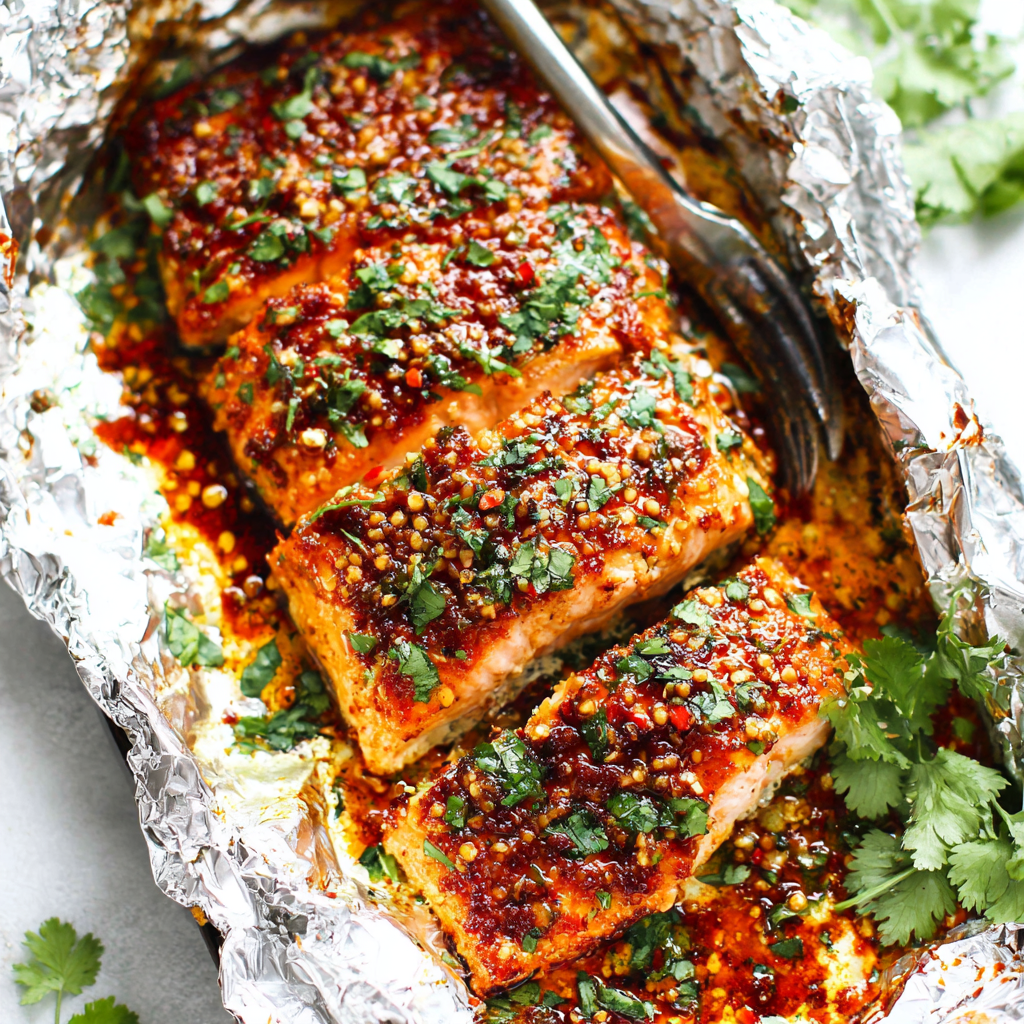
There's something deeply satisfying about a weeknight dinner that feels special without demanding hours in the kitchen. This honey mustard baked salmon delivers tender, flaky fish with a glossy, caramelized glaze that's as visually impressive as it is delicious. The sweet-tangy balance of honey and Dijon makes it a crowd-pleaser, perfect for busy families, date nights, or even meal-prep Sundays. Plus, the aroma filling your home as it bakes is pure comfort in its most delicious form.
What Makes This Recipe Special
- The glaze is a masterclass in contrast: honey adds natural sweetness while Dijon mustard brings sharp, piquant depth, creating a sticky-sweet sauce that clings beautifully to the salmon without overwhelming it.
- Baking at 400°F ensures the salmon cooks quickly and evenly, locking in moisture while the broil at the end adds a just-right caramelized crust without drying out the fish.
- This recipe uses simple pantry staples but elevates them with garlic powder and paprika, which add subtle warmth and depth without overpowering the star ingredient.
- The optional broil step is key-it's the secret to that restaurant-worthy finish that home cooks often miss, giving the glaze a slight char and extra shine.
Ingredients
4 salmonfillets (about 6 oz each)
3 tablespoonshoney
3 tablespoonsDijon mustard
1 tablespoonolive oil
1 tablespoonlemon juice
1 teaspoongarlic powder
1/2 teaspoonpaprika
Salt and pepper to taste
Fresh parsley (optional, for garnish)
Lemon slices (optional, for garnish)
Nutrition
350 caloriesCalories
Per serving · Values are estimates
Instructions
1
Preheat your oven to 400°F. Line a baking sheet with foil and lightly grease it.
2
In a small bowl, whisk together honey, Dijon mustard, olive oil, lemon juice, garlic powder, paprika, salt, and pepper.
3
Place salmon fillets on the prepared baking sheet, skin side down.
4
Brush the honey mustard mixture generously over each fillet.
5
Bake for 12-15 minutes, or until salmon flakes easily with a fork.
6
Broil for 1-2 minutes at the end for a slightly caramelized top.
7
Garnish with fresh parsley and lemon slices before serving.
Essential Tips
Don't skip the foil
Lining your baking sheet with foil makes cleanup effortless and prevents the honey mustard glaze from sticking. Lightly grease it too, so the salmon doesn't stick when transferring to plates.
Pat the salmon dry
Before baking, gently pat the salmon fillets dry with a paper towel. This ensures the glaze adheres better and helps the skin crisp up if left on.
Use room-temp glaze
Let the honey and mustard mixture sit at room temperature for 5 minutes before brushing it on. This thins it slightly, making it easier to spread and helping it penetrate the salmon more evenly.
Check doneness early
Start checking the salmon at 10 minutes. It's done when it reaches 145°F internally and flakes easily with a fork-overcooking is the fastest way to dry out this dish.
Broil with caution
Broil for just 1-2 minutes, watching closely to avoid burning the glaze. The sugar in honey can caramelize quickly, so keep the oven door ajar and stay nearby to prevent disaster.
Smart Swaps & Variations
Spicy kick
Add 1/2 teaspoon cayenne pepper or a dash of sriracha to the glaze for a subtle heat that complements the sweetness without overpowering it.
Herb-infused
Mix 1 tablespoon chopped fresh dill or chives into the glaze for a brighter, garden-fresh flavor that pairs beautifully with the salmon.
Maple swap
Replace honey with pure maple syrup for a deeper, earthier sweetness that works especially well in colder months or for a Canadian-inspired twist.
No-broil method
Skip the broil step and instead bake the salmon for 14-16 minutes, then finish under the broiler for just 30 seconds to avoid overcooking.
What to Serve With This
- Garlic butter mashed potatoes or roasted fingerling potatoes to soak up the extra glaze.
- A crisp arugula salad with shaved fennel, lemon vinaigrette, and toasted almonds for a peppery, fresh contrast.
- Steamed asparagus or green beans with a sprinkle of toasted sesame seeds and a squeeze of lemon.
- A dry Riesling or Sauvignon Blanc to cut through the richness and complement the honey's sweetness.
Storage & Reheating
Storage
Store leftovers in an airtight container in the fridge for up to 3 days. The salmon will keep its texture best if reheated gently.
Reheating
Reheat in a skillet over low heat with a splash of water or broth, covered, for 2-3 minutes until warmed through. Avoid microwaving, as it can make the salmon rubbery.
Expert Chef Tips
- For an ultra-crispy skin, start the salmon skin-side up for the first 5 minutes of baking, then flip and brush the glaze on the top. This renders fat and crisps the skin before adding the sauce.
- Use a thermometer to check doneness-145°F is the magic number for perfectly moist salmon. Overcooking beyond this is the #1 mistake even pros make.
- Make the glaze ahead: Whisk it the night before and store it in the fridge. The flavors meld overnight, and the slightly thicker texture at cold temps makes it easier to control when brushing on the salmon.
Equipment You’ll Need
- Baking sheet with edges for easy cleanup
- Small bowl for whisking the glaze
- Pastry brush or spoon for applying the glaze
- Meat thermometer for precise doneness
Nutritional Benefits
- High in omega-3 fatty acids, which support heart and brain health.
- One serving provides about 20g of protein, making it a great option for muscle repair and satiety.
- The honey in the glaze adds natural sweetness but also antioxidants, though moderation is key due to the sugar content.
- Dijon mustard is low in calories and adds flavor without significant fat or carbs, enhancing the dish's nutritional profile.
Reviews
No written reviews yet — be the first to cook this and share how it turned out!
Leave a Review
Frequently Asked Questions
Can I use frozen salmon for this recipe?
Yes! Thaw the salmon overnight in the fridge or under cold running water for 10-15 minutes. Pat it dry thoroughly before baking to ensure the glaze sticks and the skin crisps up properly. Frozen salmon works just as well as fresh if thawed properly.
What's the best way to substitute honey if I don't have any?
Maple syrup or agave nectar are the best 1:1 substitutes. Avoid granulated sugar, as it won't dissolve as smoothly and can leave a gritty texture. Brown sugar can work in a pinch but may darken the glaze slightly.
How do I know when the salmon is done without overcooking?
Use a fork to gently pull apart a small section-it should flake easily and look opaque throughout, not translucent. The internal temperature should reach 145°F. Start checking at 10 minutes to avoid drying it out.
Can I make this recipe ahead of time?
You can prep the glaze up to 2 days ahead and store it in the fridge. However, it's best to assemble and bake the salmon fresh. If you must prep ahead, bake the salmon and store it separately, then reheat gently before serving.
Is this recipe gluten-free?
Yes! As long as your Dijon mustard is labeled gluten-free, this recipe is naturally gluten-free. Always double-check labels to ensure no cross-contamination or additives.
What's the best cut of salmon to use?
Center-cut fillets are ideal because they're uniform in thickness and cook evenly. Avoid tail pieces, which can dry out faster. Skin-on fillets are best for this recipe, as the skin crisps up nicely, but you can use skinless if preferred.
How do I adjust the recipe for larger fillets?
For fillets over 8 oz, increase the baking time by 2-3 minutes. Keep an eye on the internal temperature-it's the only foolproof way to ensure doneness, regardless of fillet size.
Can I use this glaze on other proteins?
Absolutely! This glaze works wonderfully on chicken thighs, pork tenderloin, or even tofu. Adjust the baking time as needed-chicken may take 25-30 minutes at 400°F, while tofu may need just 15-20 minutes.
More Dinner Victories
🔒 From the Vault — 43,000+ premium recipes

Cook This Next