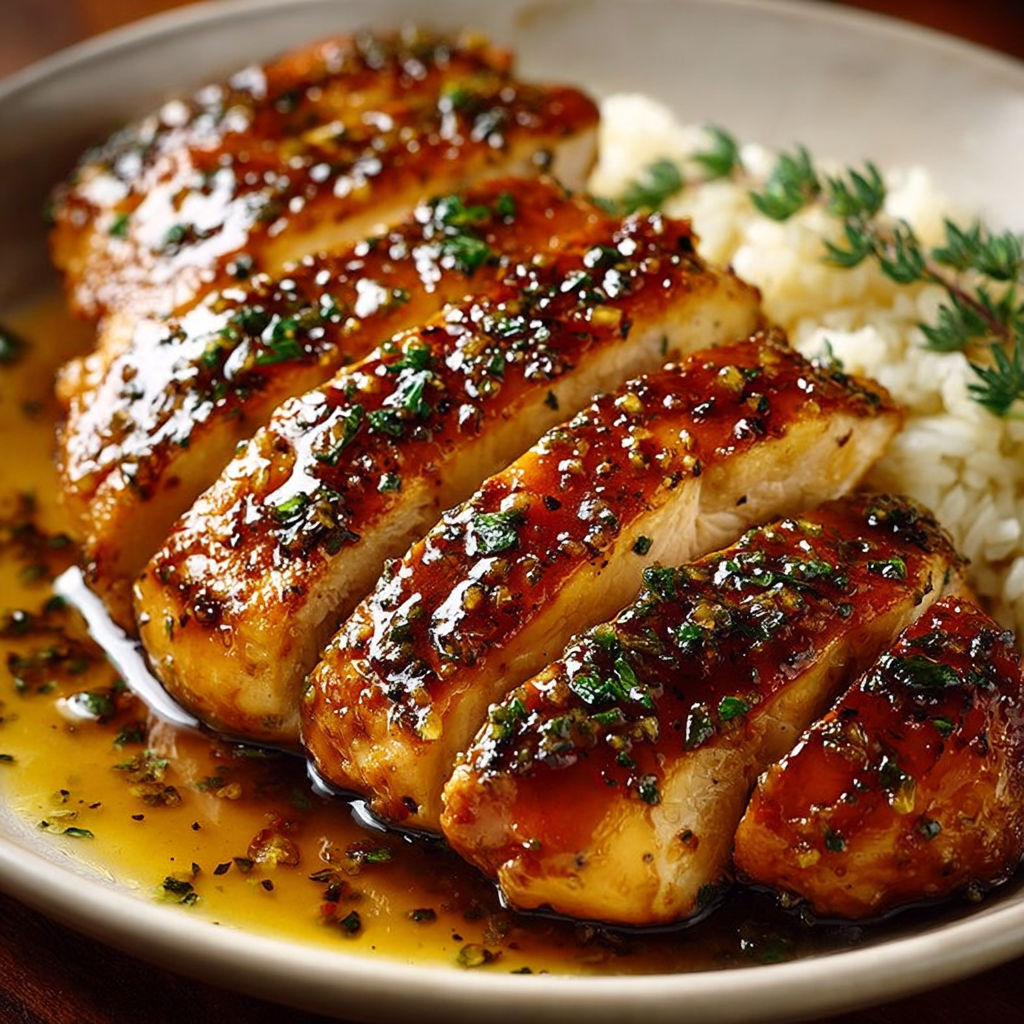
Honey Mustard Chicken Breasts
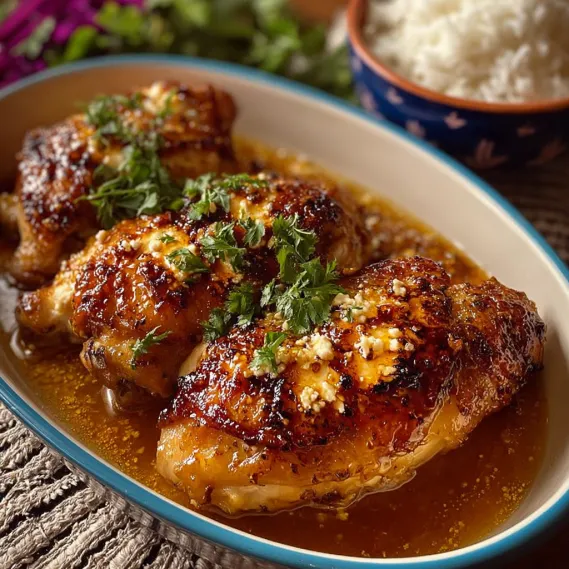
There's something magical about the golden-brown sear of honey mustard chicken sizzling in the oven-it fills the kitchen with irresistible aromas that summon the whole family to dinner. This dish strikes the perfect balance between sweet and tangy, making it a crowd-pleaser for spring cookouts, Sunday suppers, or even a weeknight meal when you crave something special. The Dijon and honey marriage creates a sticky, glossy glaze that clings beautifully to tender, juicy chicken breasts, turning an everyday protein into a showstopper. With just a handful of pantry staples and minimal effort, you'll have a dish that tastes like it came from a high-end bistro.
What Makes This Recipe Special
- The marinade combines Dijon for sharpness, whole-grain mustard for texture, and honey for depth-creating a glaze that's both smooth and rustic.
- Marinating the chicken for at least 30 minutes (or up to 4 hours) infuses flavor deep into the meat, preventing dryness despite the high heat baking.
- Basting the chicken during baking ensures the sauce caramelizes into a glossy, sticky coating without burning, thanks to the apple cider vinegar's acidity.
- Resting the chicken for 5 minutes post-bake allows juices to redistribute, so every slice stays moist when served.
Ingredients
4 boneless, skinless chicken breasts
1/2 cupDijon mustard
1/4 cuphoney
2 tablespoonswhole-grain mustard
2 tablespoonsolive oil
2 garliccloves, minced
1 tablespoonapple cider vinegar or lemon juice
Salt to taste
Black pepper to taste
Nutrition
580 caloriesCalories
Per serving · Values are estimates
Instructions
1
In a bowl, thoroughly whisk together Dijon mustard, honey, whole-grain mustard, olive oil, minced garlic, and apple cider vinegar or lemon juice. Season with salt and freshly ground black pepper.
2
Arrange the chicken breasts in a resealable bag or shallow dish. Pour the honey mustard mixture over the chicken, ensuring even coating. Seal and marinate in the refrigerator for at least 30 minutes and up to 4 hours for enhanced flavor.
3
Preheat oven to 375°F. Transfer marinated chicken and excess marinade to a baking dish in a single layer. Bake for 25 to 30 minutes, basting with pan juices halfway through, until the internal temperature reaches 165°F.
4
Remove dish from oven and allow chicken to rest for 5 minutes. Spoon over the pan sauce and garnish with freshly chopped parsley before serving.
Essential Tips
Marinate longer
For deeper flavor penetration, let the chicken marinate in the fridge for up to 4 hours. The longer it sits, the more tender and flavorful it becomes, especially with tougher cuts.
Pat dry before baking
After marinating, pat the chicken breasts dry with paper towels. This helps them sear rather than steam, creating a better crust in the oven.
Use room-temperature chicken
Take the chicken out of the fridge 15 minutes before baking. Cooking it at room temperature promotes even cooking and prevents a dry exterior.
Baste generously
During the last 10 minutes of baking, spoon the pan juices over the chicken every 5 minutes. This builds a thick, sticky glaze and prevents sticking.
Check doneness early
Start testing the chicken at 20 minutes using an instant-read thermometer-it should reach 165°F in the thickest part. Overbaking is the fastest way to dry out this dish.
Smart Swaps & Variations
Spicy Kick
Add 1 teaspoon of smoked paprika or 1/2 teaspoon of cayenne pepper to the marinade for a subtle heat that complements the sweetness.
Herb-Infused
Stir in 1 tablespoon of fresh thyme or rosemary into the marinade for a savory, aromatic twist.
Citrus Zing
Replace apple cider vinegar with fresh lemon or orange juice for a brighter, fruitier acidity.
Yogurt Glaze
Mix 1/4 cup of Greek yogurt into the marinade for a creamier texture and tangy balance to the mustard.
What to Serve With This
- Garlic Parmesan Roasted Potatoes: Crispy on the outside, creamy inside, and tossed with garlic and Parmesan.
- Grilled Asparagus: Lightly charred with lemon zest and a sprinkle of flaky salt.
- Creamy Coleslaw: A cool, tangy contrast to the rich honey mustard chicken.
- Crusty Baguette and Butter: Perfect for sopping up the extra pan sauce.
Storage & Reheating
Storage
Store leftovers in an airtight container in the fridge for up to 3 days. The chicken and sauce will keep their flavors but may dry out slightly-reheat gently to preserve texture.
Reheating
Reheat in a skillet over low heat for 3-4 minutes, adding a splash of water or broth to restore moisture. Alternatively, microwave in 30-second intervals, covering with a damp paper towel to prevent drying.
Expert Chef Tips
- For restaurant-quality sear, broil the chicken for the last 2-3 minutes of baking. Watch closely to avoid burning the glaze, as the high heat can cause rapid caramelization.
- Use a baking rack set over a sheet pan during baking to elevate the chicken. This allows air to circulate, ensuring even cooking and preventing the bottom from getting soggy.
- Double the marinade and set aside half before adding the chicken. Use this reserved marinade to baste the chicken during baking, intensifying the flavor without thinning the sauce.
Equipment You’ll Need
- Mixing bowl (for the marinade)
- Resealable plastic bag or shallow dish (for marinating)
- Baking dish or sheet pan with a wire rack (for even cooking)
- Instant-read thermometer (to check doneness)
Nutritional Benefits
- High in protein (about 50g per serving) from lean chicken breasts, supporting muscle repair and satiety.
- Contains heart-healthy fats from olive oil, which provide anti-inflammatory benefits.
- The honey provides natural sugars for quick energy, while Dijon mustard offers antioxidants like selenium and omega-3s.
- Low in carbohydrates (under 10g per serving), making it suitable for low-carb or keto diets when paired with non-starchy sides.
Reviews
No written reviews yet — be the first to cook this and share how it turned out!
Leave a Review
Frequently Asked Questions
Can I use chicken thighs instead of breasts?
Absolutely! Chicken thighs hold up better to marinating and baking, staying juicy even if slightly overcooked. Adjust baking time to 35-40 minutes, and check for 175°F internal temperature. The flavor profile will be richer due to the higher fat content.
What's the best substitute for Dijon mustard?
If you don't have Dijon, mix 2 tablespoons of yellow mustard with 1 teaspoon of apple cider vinegar or lemon juice to mimic its tang. Avoid using dry mustard, as it won't provide the same moisture or flavor.
Can I grill the chicken instead of baking?
Yes! Preheat the grill to medium-high and cook the chicken for 6-7 minutes per side, basting with the marinade during the last 2 minutes. Be cautious-grilling can char the sauce quickly, so keep a spray bottle of water handy.
Is this recipe gluten-free?
The recipe is naturally gluten-free if you use certified gluten-free Dijon mustard and check your honey for additives. Always verify labels, as some processed honey or mustards may contain gluten.
Can I make this ahead?
You can marinate the chicken up to 4 hours ahead, but don't bake it in advance-it's best fresh from the oven. If needed, prep the marinade and chicken the night before, storing them separately in the fridge.
Why is my chicken dry?
Overbaking is the most common culprit. Remove the chicken as soon as it reaches 165°F internally, and let it rest before serving. Also, avoid using chicken breasts that are too thin or uneven in size, as they cook faster and dry out easily.
Can I omit the apple cider vinegar?
Yes, but the dish will lack acidity, making the flavor one-dimensional. Substitute with lemon juice, white wine vinegar, or even a splash of apple cider for a similar bright note.
How do I thicken the sauce if it's too thin?
Simmer the pan juices on the stovetop for 3-5 minutes after baking to reduce and concentrate the flavors. For a richer texture, whisk in 1 teaspoon of cornstarch mixed with 1 tablespoon of water, then simmer until glossy.
More Dinner Victories

🔒 From the Vault — 43,000+ premium recipes
Cook This Next